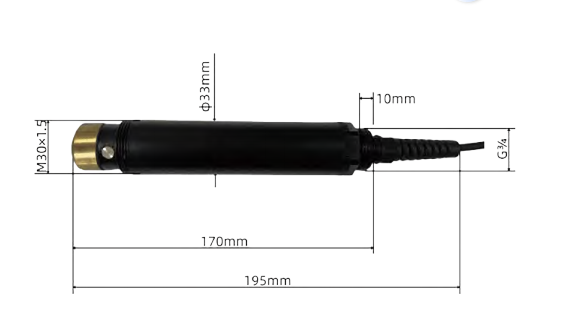
How Often to Calibrate an Electrochemical DO Sensor? Understanding the correct electrochemical DO sensor calibration frequency is essential for accurate dissolved oxygen measurement in aquaculture, wastewater treatment, and industrial processes. This pillar content synthesizes expert recommendations from YSI, Hach, and Atlas Scientific to provide a definitive calibration schedule.
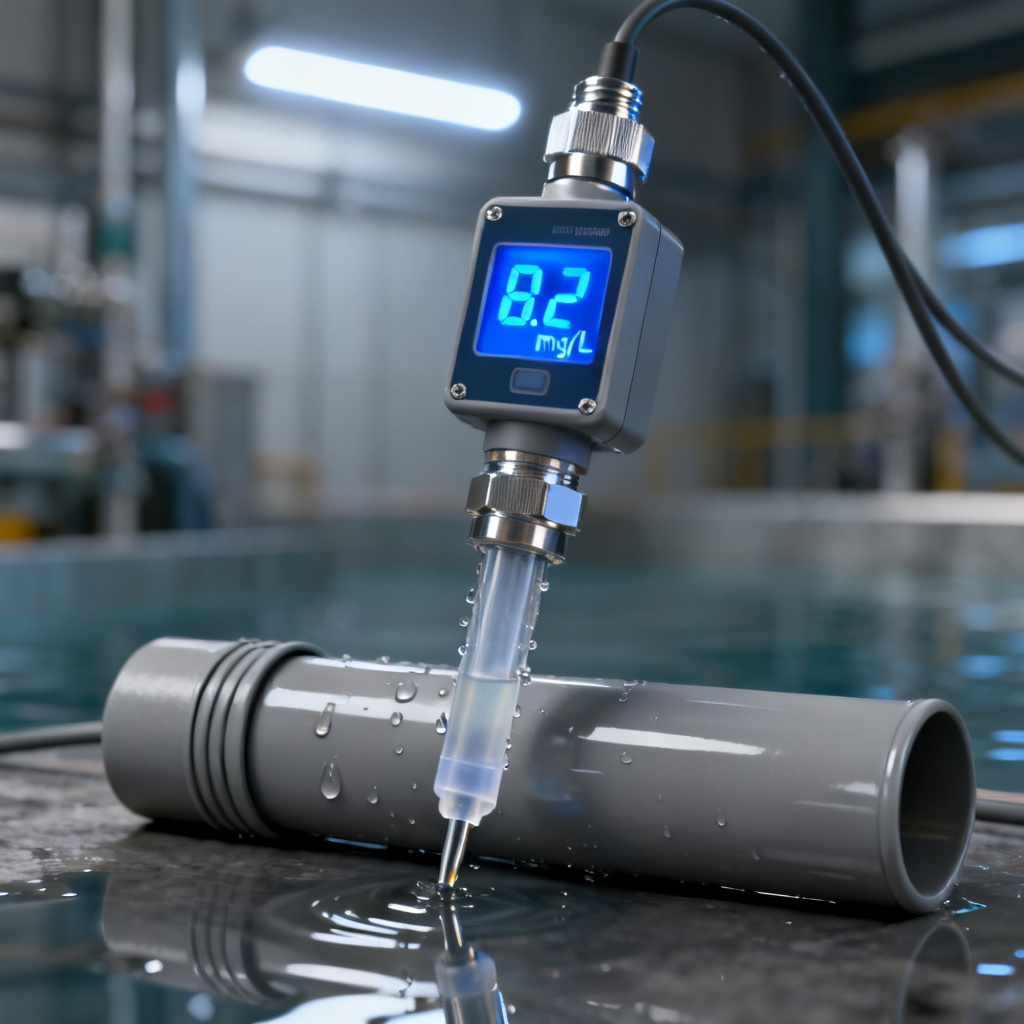
Factors Affecting Electrochemical DO Sensor Calibration Frequency
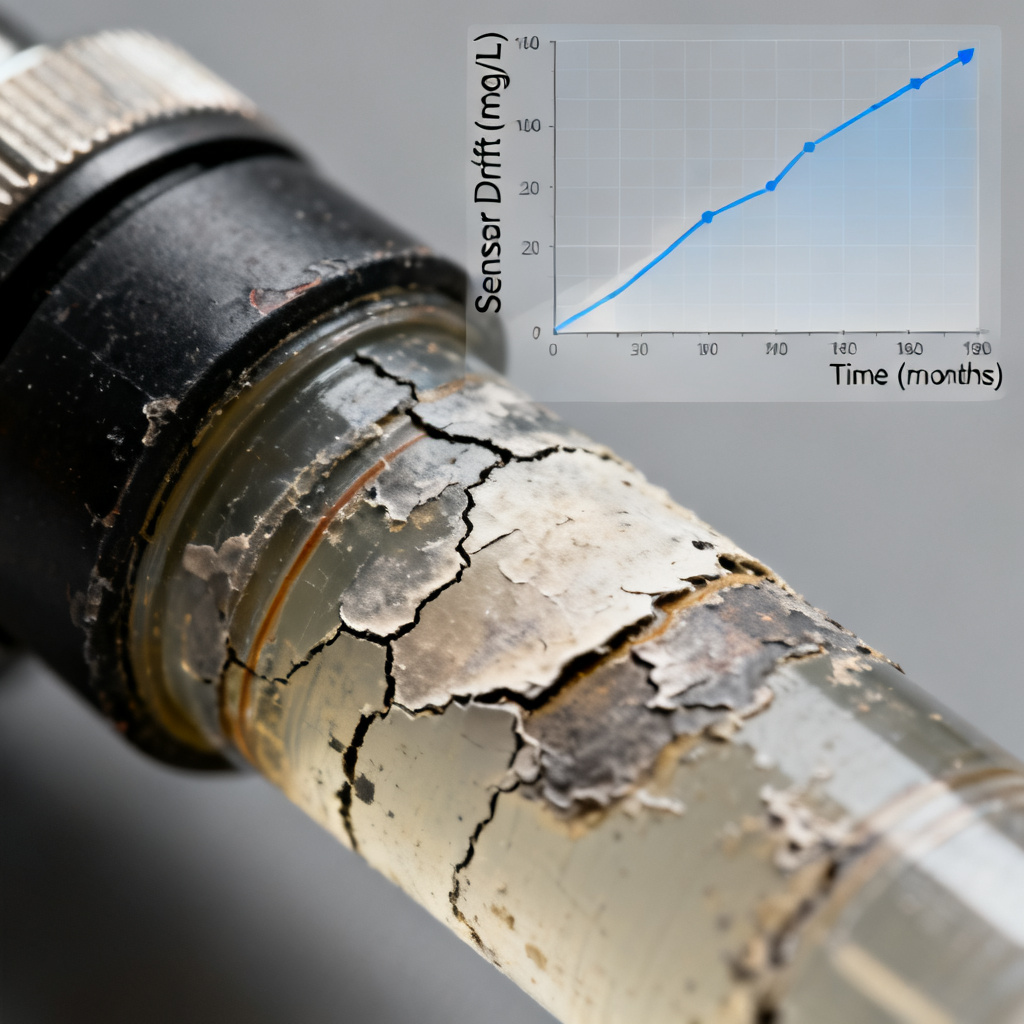
The required electrochemical DO sensor calibration frequency depends on sensor type, application environment, and usage pattern. Electrochemical sensors drift faster than optical ones due to membrane degradation and electrolyte depletion.
Sensor Type and Age
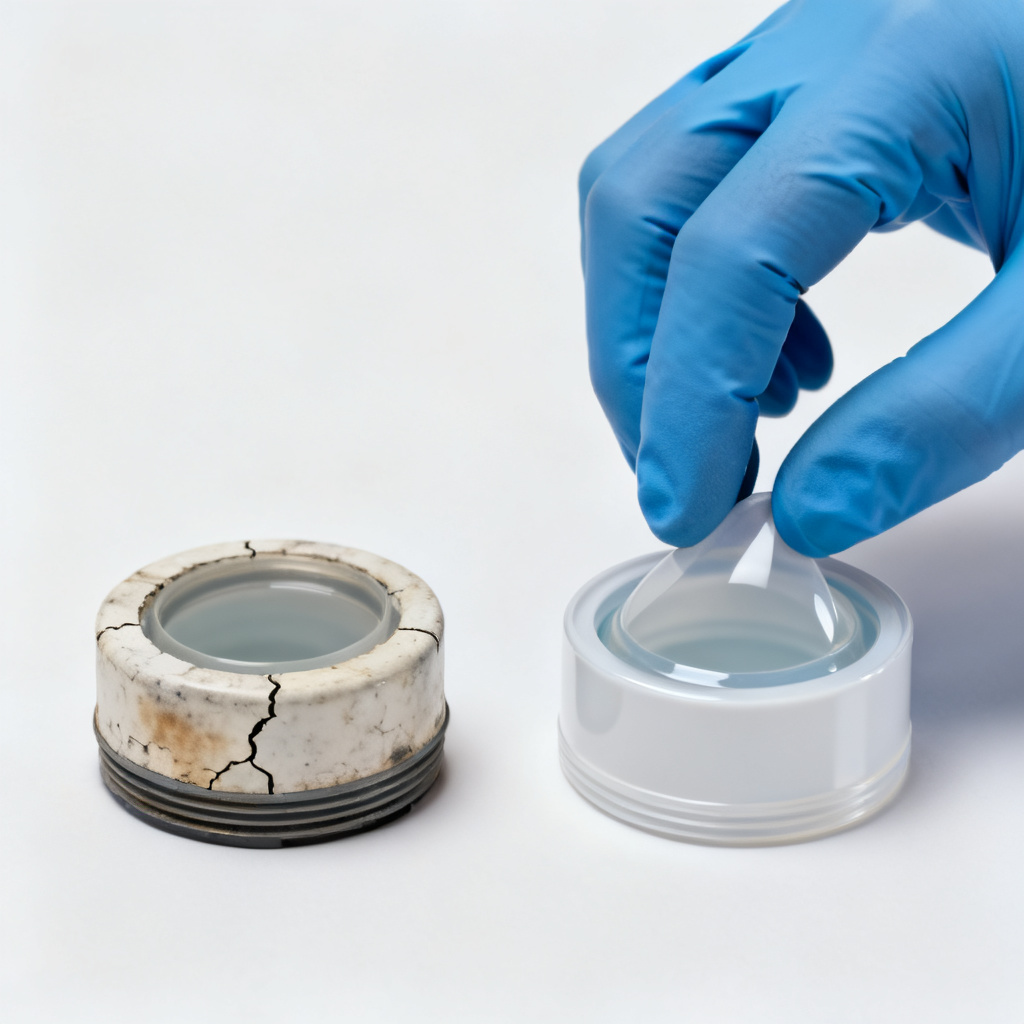
New sensors (first 3 months) need weekly calibration to establish a baseline. Older sensors (over 1 year) often require bi-weekly calibration. Replace the membrane and electrolyte annually to maintain accuracy.
Application Environment
- Clean water (drinking water, aquaculture): Monthly calibration is acceptable.
- Dirty water (wastewater, industrial effluent): Weekly calibration is mandatory.
- Extreme conditions (high temperature >40°C, low DO <1 mg/L, high salinity >30 ppt): Calibrate before each use.
Usage Pattern
For intermittent use, calibrate before each measurement session. For continuous monitoring, calibrate every 1–4 weeks depending on water quality. Use a two-point calibration (air and zero) for low-level monitoring.
Step-by-Step Electrochemical DO Sensor Calibration Protocol
Follow this universal protocol to ensure accurate electrochemical DO sensor calibration frequency compliance:
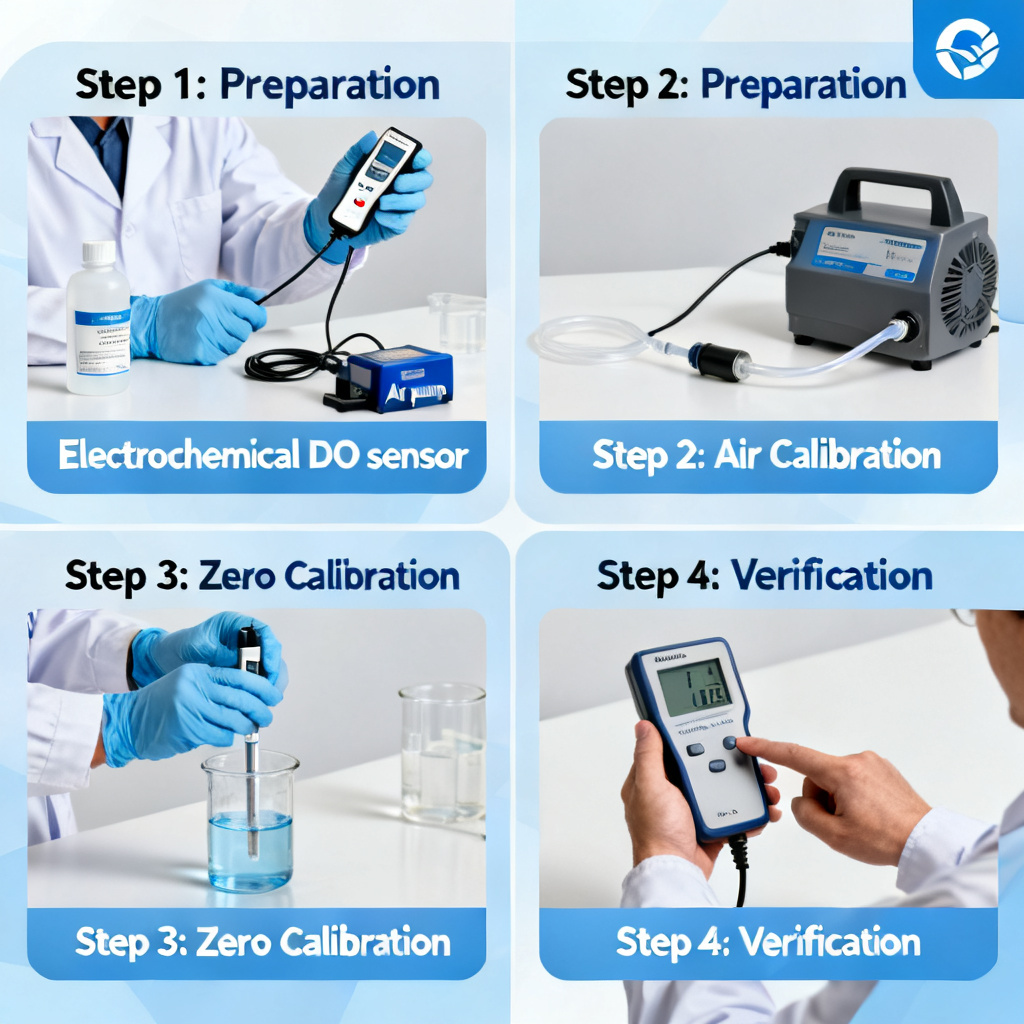
- Prepare the Sensor: Clean the membrane with deionized water. Replace if wrinkled or torn. Allow 30 minutes for polarization after replacement.
- Air Calibration (One-Point): Place sensor in a calibration sleeve with a small amount of water (not touching membrane). Wait 10–15 minutes for temperature equilibration. Input barometric pressure. Confirm reading within ±0.2 mg/L.
- Zero Calibration (Two-Point, Optional): For low-level measurements (<1 mg/L), use a zero-oxygen solution (sodium sulfite) or nitrogen-purged chamber. Wait 5–10 minutes for stable reading.
- Verify Calibration: Measure a known standard (air-saturated water at known temperature). Reading should be within ±0.1 mg/L. Log slope and offset values.
Common Calibration Mistakes to Avoid
- Calibrating in dry air (membrane needs 100% relative humidity).
- Calibrating in water with high chlorine (interferes with electrochemical reaction).
- Ignoring temperature compensation (always calibrate at same temperature as measurement environment).
- Skipping regular maintenance (fouled membrane cannot be calibrated accurately).
- Using expired calibration standards (zero-oxygen solutions degrade over time).
When to Replace the Electrochemical DO Sensor
Even with proper electrochemical DO sensor calibration frequency, sensors eventually wear out. Replace if:
- Slope consistently drops below 70% of factory value.
- Response time exceeds 60 seconds for a 90% step change.
- Membrane is repeatedly damaged or shows visible wear.
- Sensor cannot hold calibration for more than 24 hours.
Calibration Frequency Comparison Table
| Application Type | Recommended Electrochemical DO Sensor Calibration Frequency | Key Considerations |
|---|---|---|
| Critical (medical, research, regulatory) | Before each use | Two-point calibration recommended |
| Routine monitoring (aquaculture, wastewater) | Weekly | One-point air calibration sufficient |
| Low-risk (environmental education) | Monthly | Clean water environment |
Industry Terminology Explained
Electrochemical DO sensor: A Clark-type sensor that measures dissolved oxygen through an electrochemical reaction at a membrane-covered electrode. Calibration drift: The gradual deviation of sensor readings from true values over time. One-point calibration: Calibration using only air-saturated water (100% saturation). Two-point calibration: Calibration using both air-saturated water and a zero-oxygen solution.
Our Advantage in Electrochemical DO Sensor Solutions
Our sensors feature replaceable membranes, robust construction, and factory-calibrated modules that reduce required electrochemical DO sensor calibration frequency by up to 30% compared to standard models. We provide detailed calibration logs and predictive maintenance tools to optimize your workflow.