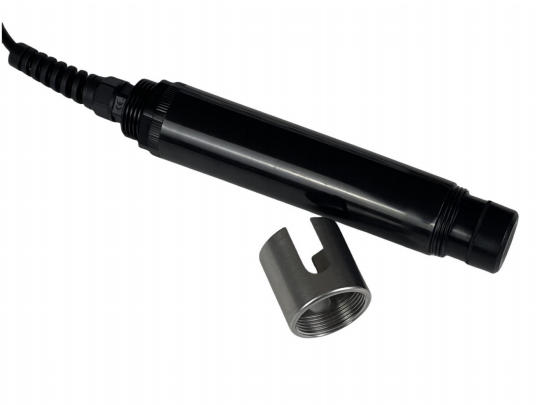
dissolved oxygen luminescence sensor
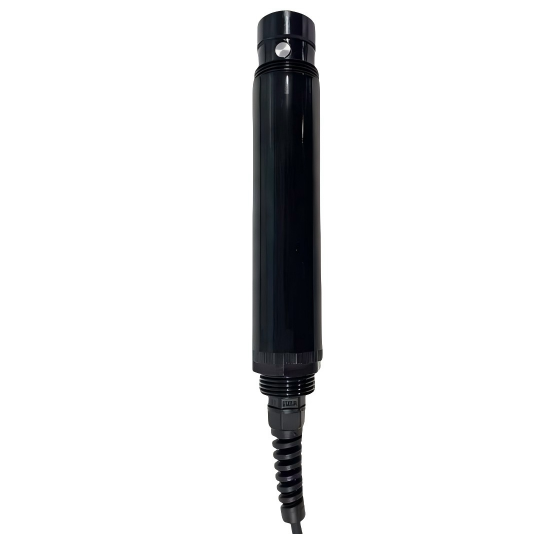
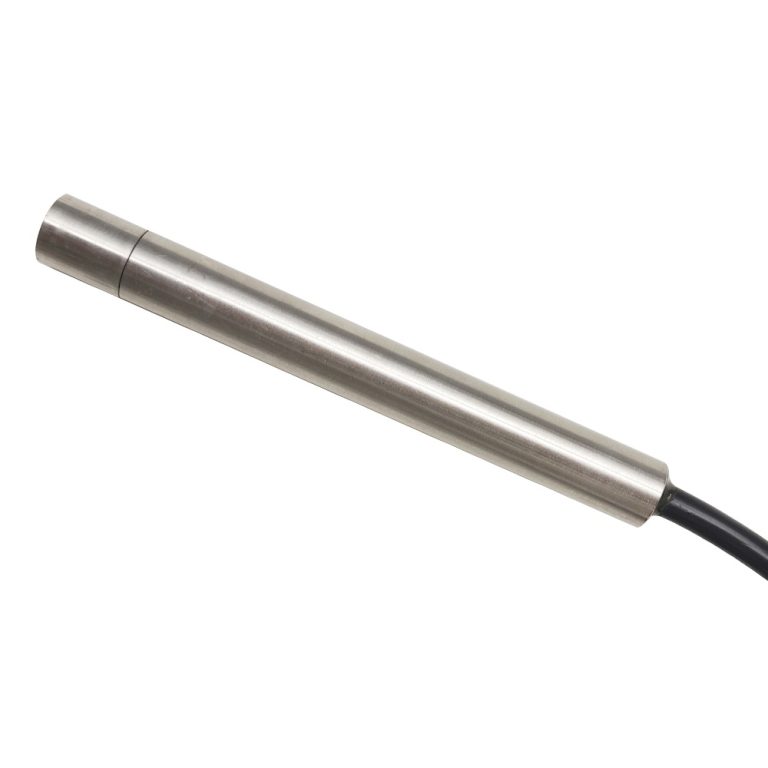
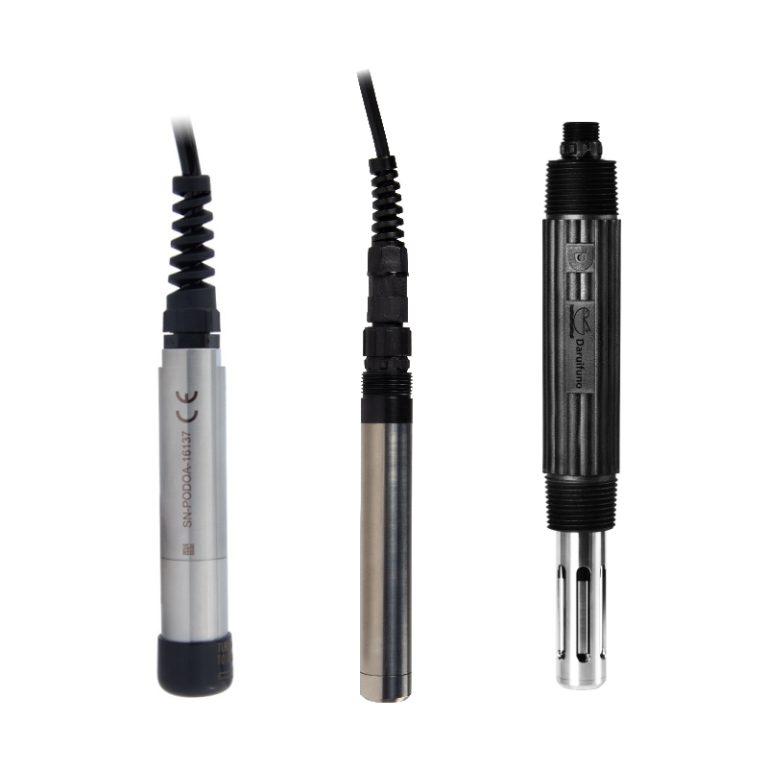
The luminescent dissolved oxygen sensor is a high-precision analog dissolved oxygen sensor designed for real-time monitoring of trace oxygen in aquatic environments. Engineered for the maintenance-free detection of dissolved oxygen and saturation, this dissolved oxygen sensor for aquatic systems ensures optimal water quality for commercial fish and shrimp farms.
Product Feature
Dissolved Oxygen Sensor Core Features
| Parameter | Details |
|---|---|
| Model/Brand | Maintenance-Free Fluorescent Trace DO Sensor |
| Measurement Range | Dissolved Oxygen: 0~2000ppb; Temp: 0-50℃ |
| Accuracy | ±1ppb or 3% of reading |
| Resolution | 0.01ppb; 0.01℃ |
| Response Time (T90) | < 120s |
| Power Supply | 9V-24VDC (12V recommended) |
| Communication | RS485 Modbus RTU |
| Material | ABS Housing, IP68 Rated |
| Regional Adaptability | Optimized for North American Industrial/Aquatic Standards |
Technical Specification
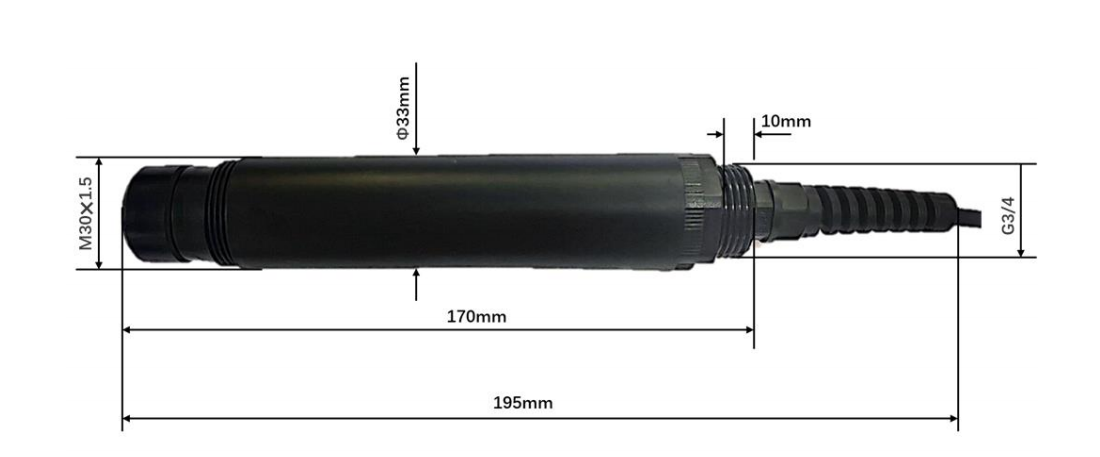
ldo sc luminescent dissolved oxygen sensors
| Parameter | Details |
|---|---|
| Model/Brand | Maintenance-Free Fluorescent Trace DO Sensor |
| Measurement Range | Dissolved Oxygen: 0~2000ppb; Temp: 0-50℃ |
| Accuracy | ±1ppb or 3% of reading |
| Resolution | 0.01ppb; 0.01℃ |
| Response Time (T90) | < 120s |
| Power Supply | 9V-24VDC (12V recommended) |
| Communication | RS485 Modbus RTU |
| Material | ABS Housing, IP68 Rated |
Applications
online dissolved oxygen sensor
Luxury Hotel Live Seafood Rearing
Prevent inventory loss in restaurant display tanks with our hotel temporary rearing sensor solution. Real-time alerts ensure that oxygen levels for sensitive species like lobster and abalone stay above critical saturation thresholds, preserving product texture and flavor. [3, 14]
International Live Aquatic Logistics
In every Aquatic DO sensor transportation application case, accuracy is paramount. Our sensors provide the stability needed for long-haul transit, ensuring that even at varying altitudes and temperatures, the oxygen supply remains optimal to minimize mortality. [4, 7]
High-Density Intensive Aquaculture
From hatcheries to grow-out ponds, our Dissolved Oxygen Sensors support intensive stocking densities by automating aeration control, reducing energy costs while maintaining health. [15, 2]
FAQ
water dissolved oxygen sensor FAQs
How do I choose between an optical and an electrochemical sensor for my transport tanks?
For aquatic transportation, optical sensors are superior. Electrochemical sensors require a minimum water flow to work accurately and need frequent electrolyte replacement. Optical sensors are flow-independent, consume no oxygen, and require significantly less maintenance.
Does salinity affect the dissolved oxygen reading?
Yes, oxygen solubility is inversely related to salinity. Seawater holds less oxygen than freshwater at the same temperature. Our sensors include automatic temperature compensation and manual pressure compensation to ensure accurate mg/L readings across varying conditions.
How often does the sensor need to be calibrated to maintain accuracy?
According to the manual, calibration is typically unnecessary under normal circumstances. For high-precision requirements, we recommend a Dissolved oxygen sensor calibration service check every 3 months, or according to the maintenance schedule required by your local authority.
What is the best way to clean the sensor if it gets covered in garbage or sludge?
Simply remove the garbage and clean the sensitive front end with water. It is strictly prohibited to use alcohol or other organic solvents, or to touch the sensitive part with sharp hard objects, as these will damage the sensor.
What are the output options for this sensor?
The SensorMass Luminescent Dissolved Oxygen Sensor is a digital sensor that directly outputs both RS485 (Modbus-RTU) and 4-20mA signals, making it highly compatible with existing SCADA, PLC, or data logging systems without additional transmitters.
Can this sensor be used in saltwater environments for shrimp farming?
Yes, the dissolved oxygen sensor for aquatic use is designed to handle various ions and features a salinity setting value to ensure accurate readings in brackish water.
What happens if the sensor membrane dries out?
If the ldo sc luminescent dissolved oxygen sensors are kept dry for a long period, measurement drift may occur. Simply soak the probe in water for 24-48 hours before use to restore accuracy.
Ready to Impletment in Your Application?
To get a customized quote for bulk orders (global shipping available with competitive pricing), contact our sales team now!
Request a Quote
Get a customized solution for your application!