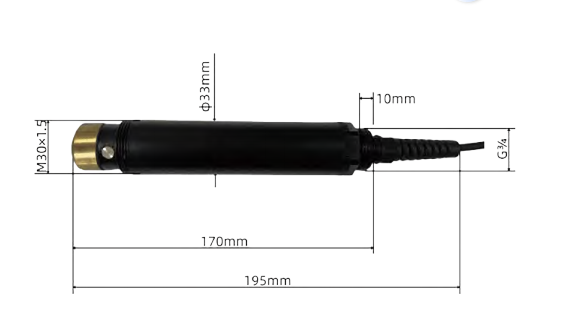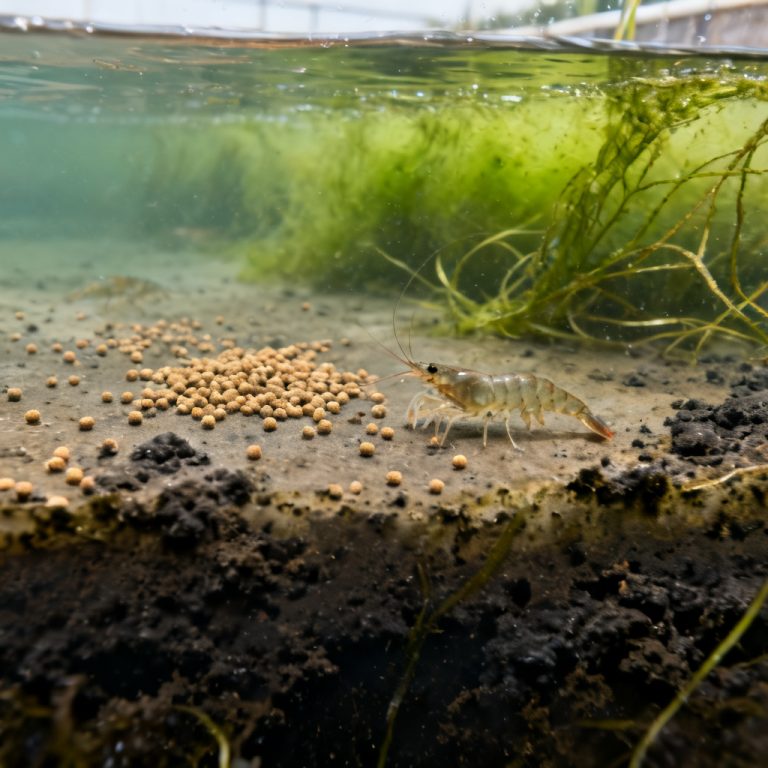
Benefits of Optical DO Sensors for Shrimp Farming are transforming how producers manage dissolved oxygen in aquaculture ponds. Unlike traditional electrochemical probes, these advanced sensors use fluorescence quenching to deliver unmatched accuracy and stability. This pillar page consolidates the most authoritative insights from leading aquaculture technology providers, offering a complete guide to the working principles, practical applications, and long-term value of optical DO sensors for shrimp farming operations of all scales.
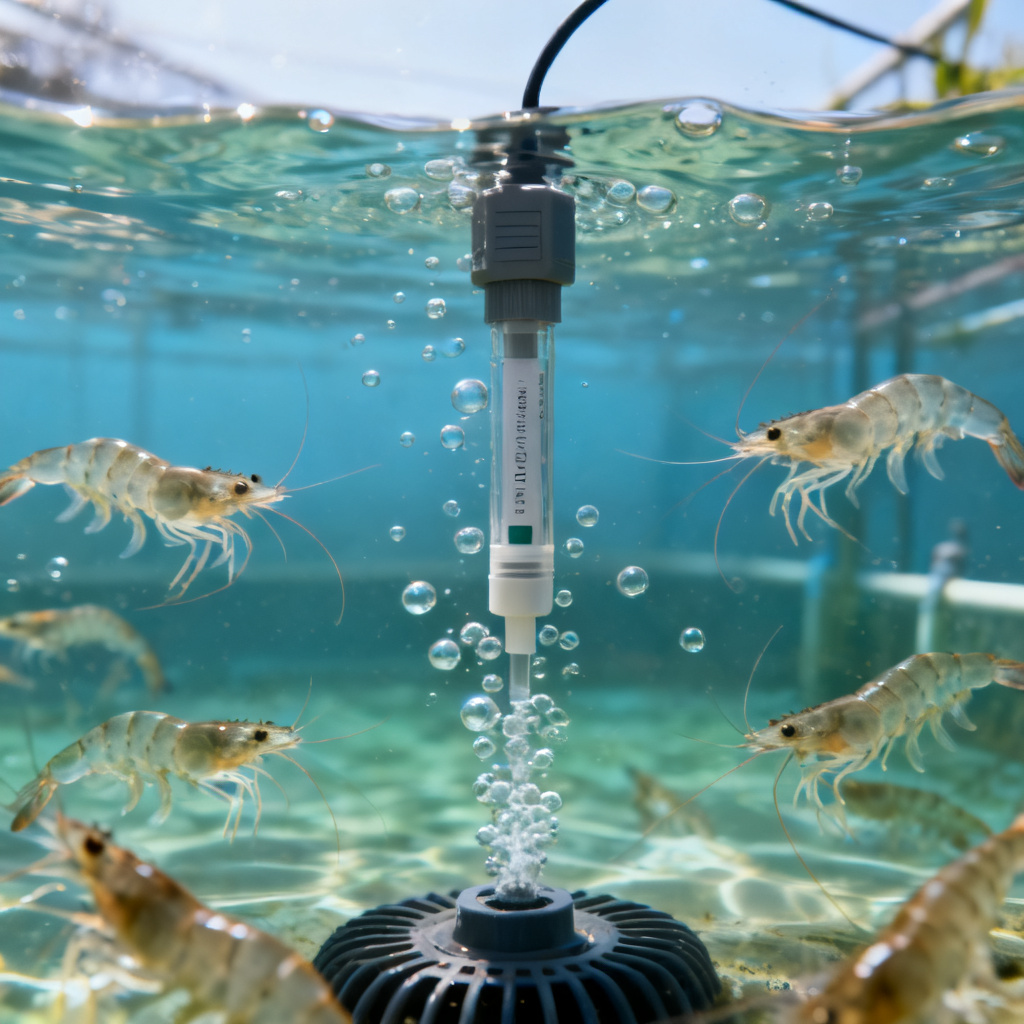
How They Work | Top 6 Benefits | Practical Implementation | Comparison Table | FAQ
How Optical DO Sensors Work: The Fluorescence Principle
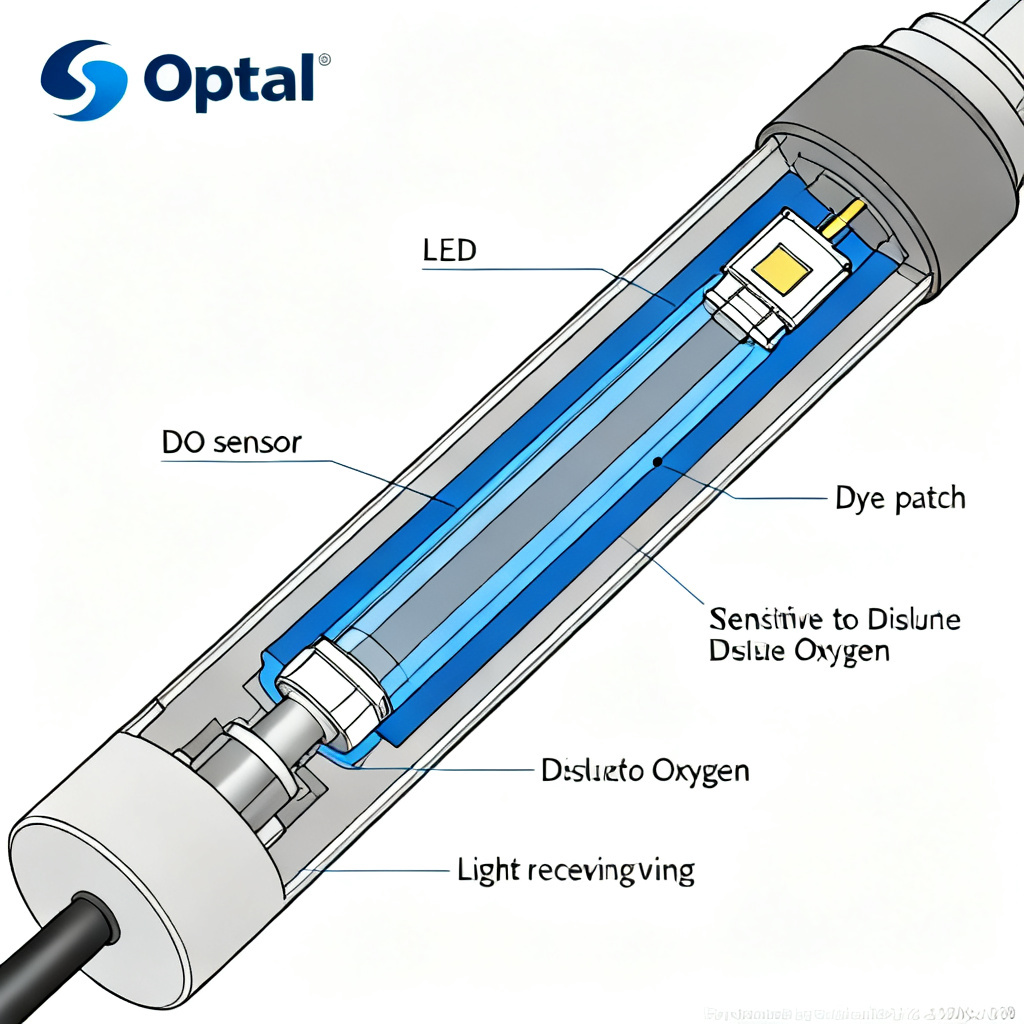
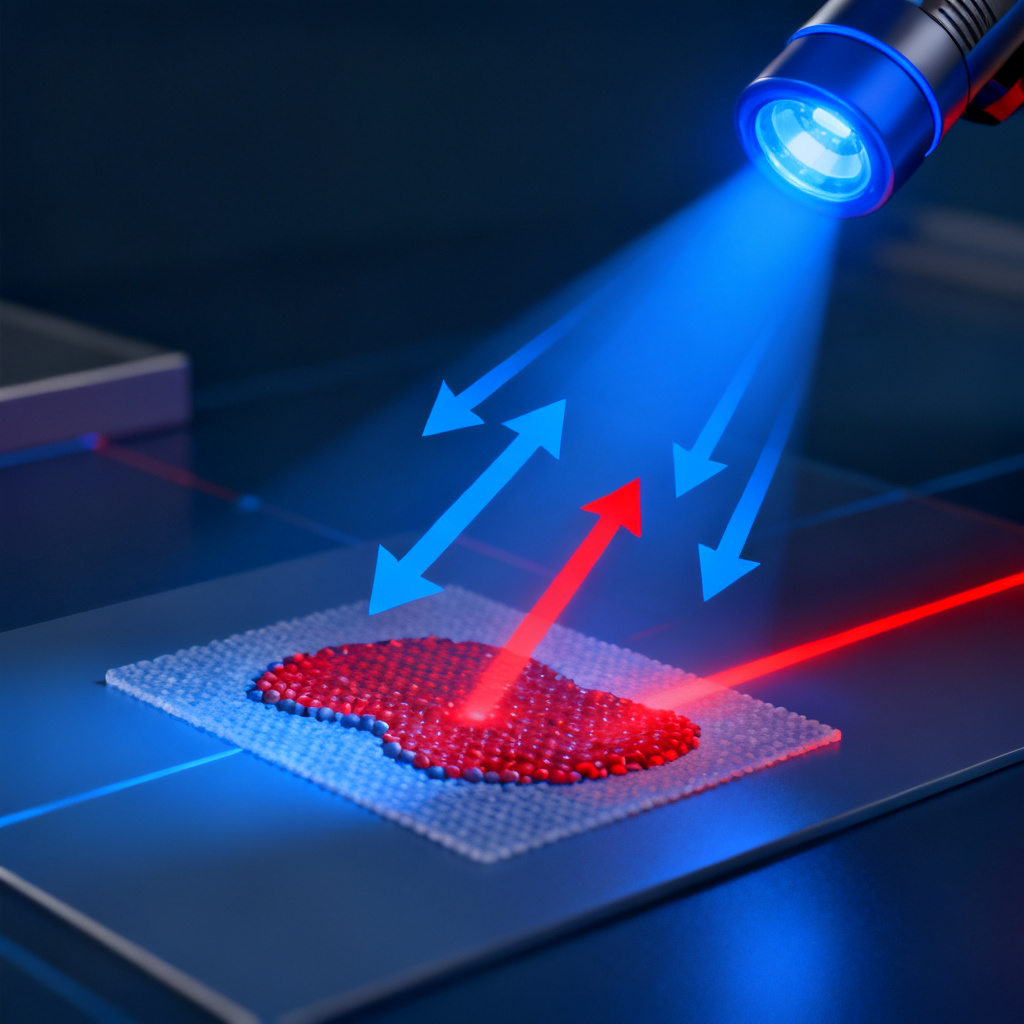
Optical DO sensors operate on a photophysical principle distinct from electrochemical methods. The sensor tip contains a fluorescent dye encapsulated in a gas-permeable membrane. When blue light from an LED excites the dye, it emits red light. Oxygen molecules quench (reduce) this fluorescence. The sensor measures the fluorescence lifetime (the time it takes for the emission to decay). The higher the oxygen concentration, the shorter the decay time. This lifetime measurement is inherently stable and immune to many interferences that plague electrochemical sensors.
Key Components of an Optical DO Sensor
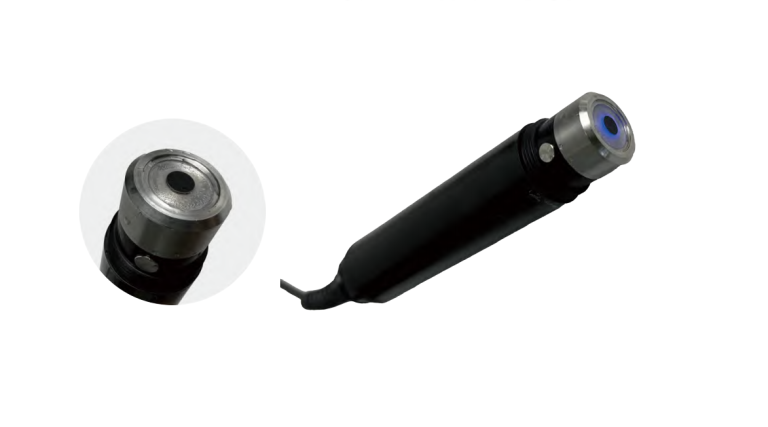
- Sensor Cap: Contains the dye patch, protected by a robust, replaceable cap.
- Light Source: A blue LED that excites the dye.
- Photodetector: Measures the red light emission.
- Reference LED: Compensates for temperature and aging effects.
- Microprocessor: Calculates DO concentration based on decay time and temperature compensation.
The non-consumptive nature of optical measurement is a game-changer. The sensor does not consume oxygen, so it does not require a minimum flow rate to function accurately. This means it can be deployed in low-flow or even stagnant zones of a pond—areas where shrimp often congregate and where oxygen depletion is most critical.
Top 6 Benefits of Optical DO Sensor Technology for Shrimp Farming
1. Exceptional Accuracy and Stability Without Drift
Optical DO sensor benefits include long-term stability unmatched by electrochemical alternatives. Electrochemical sensors suffer from “drift”—a gradual change in output over time due to electrolyte depletion, anode corrosion, or membrane fouling—requiring frequent calibration (often weekly or even daily in heavy biomass ponds). Optical sensors measure fluorescence lifetime, a stable property, maintaining ±0.1 mg/L accuracy for months without recalibration. For shrimp farmers, this translates to trustworthy data 24/7, reducing the risk of unnoticed oxygen crashes.
2. Drastically Reduced Maintenance and Calibration
According to industry experts, the maintenance burden of optical DO sensors is 80–90% lower than that of electrochemical sensors. The only routine task is cleaning the sensor cap (typically every 2–4 weeks) and replacing it annually. There is no need for electrolyte refills, membrane replacements, or frequent two-point calibrations. This is a critical benefit for shrimp farms with limited technical staff or remote ponds.
3. No Flow Dependence—Deploy Anywhere
A singular insight from multiple technical articles is the flow independence of optical DO sensors. Electrochemical sensors consume oxygen at the membrane, requiring a minimum water flow (typically 0.3 m/s) for accurate readings. In static or low-flow conditions (e.g., pond bottom, near feed trays, or during aeration failure), these sensors can read erroneously low. Optical sensors, because they do not consume oxygen, provide accurate readings even in perfectly still water. This allows for strategic placement at critical monitoring points: the pond bottom (where shrimp live), near feed trays, or in areas with poor circulation.
4. Superior Resistance to Biofouling and Harsh Conditions
Biofouling—the accumulation of algae, bacteria, and sediment on sensor surfaces—is a persistent problem in shrimp ponds. Electrochemical sensors are particularly vulnerable because fouling alters the membrane’s permeability, causing rapid drift and false readings. Optical sensor caps are designed with smooth, anti-fouling materials and a large sensing area less susceptible to partial coverage. Furthermore, the fluorescence measurement is not significantly affected by light-blocking fouling until it becomes severe, giving farmers a longer window between cleanings.
5. Rapid Response Time for Real-Time Control
Shrimp farming demands real-time decision-making, especially during aeration management. Optical DO sensors offer a response time (T90) of 30–60 seconds, comparable to or faster than electrochemical sensors. More importantly, because they do not require flow, they can detect oxygen changes almost instantly, even in calm water. This enables precise, automated aeration control—turning aerators on only when DO drops below a threshold, saving energy and preventing over-aeration.
6. Long-Term Cost-Effectiveness and ROI
While the upfront cost of an optical DO sensor is higher than a basic electrochemical probe (typically 2–3 times more), the total cost of ownership is lower. The savings come from no recurring costs for electrolyte, membranes, or calibration solutions; reduced labor hours for maintenance; fewer sensor replacements (optical caps last 1–2 years; electrochemical probes often fail in 6–12 months); and lower energy bills from optimized aeration. For a medium-to-large shrimp farm, the ROI is typically realized within 6–12 months.
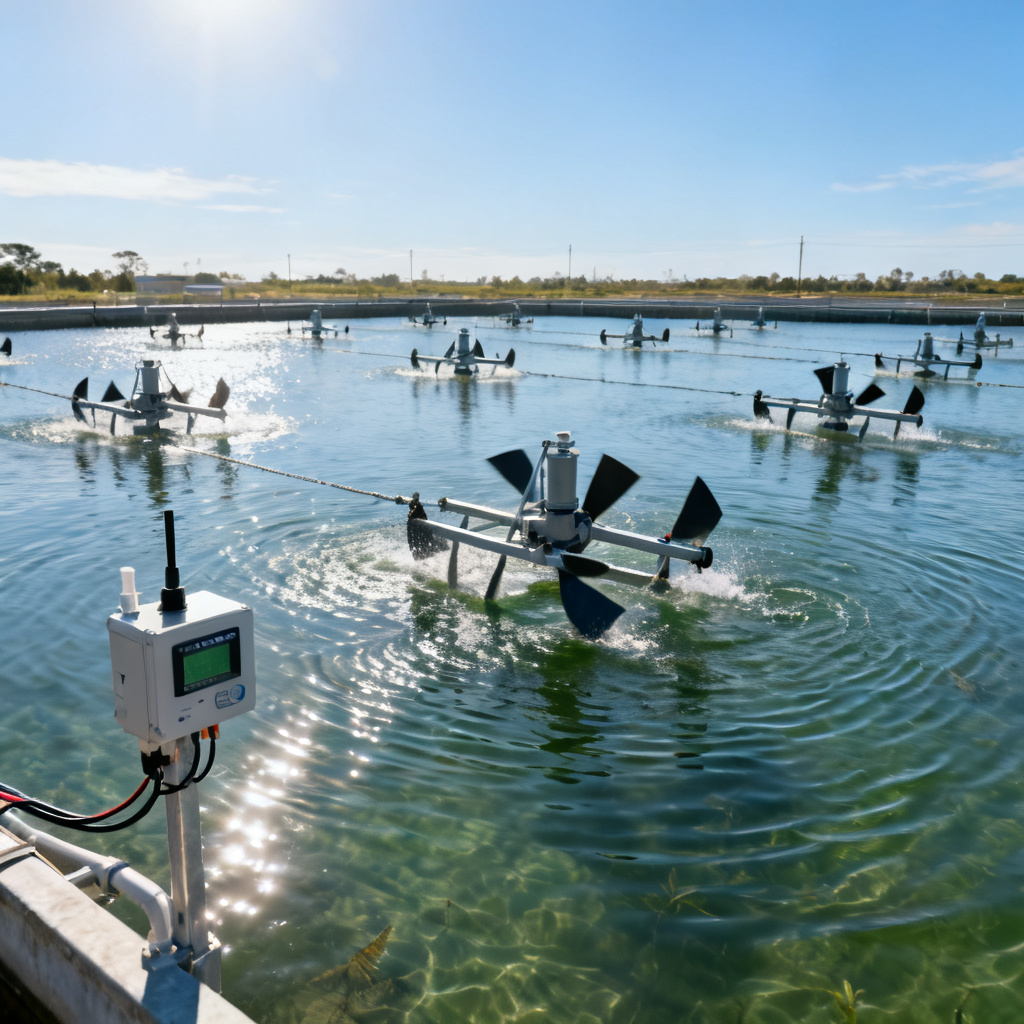
Practical Implementation of Optical DO Sensors in Shrimp Ponds
Where to Place Optical DO Sensors
- Pond Bottom (Critical Zone): Shrimp are benthic; they spend 90% of their time near the bottom where DO is lowest. Place sensors 30–50 cm above the pond floor.
- Near Feed Trays: High metabolic activity during feeding creates localized oxygen demand. Monitoring here helps adjust feeding rates.
- Aeration Zones: Place one sensor near an aerator to measure effectiveness, and another in a dead zone to detect hypoxia.
- Inlet/Outlet: For flow-through systems, monitor incoming and outgoing water to assess oxygen consumption.
Integration with Automation Systems
Optical DO sensors output standard signals (4–20 mA, RS-485 Modbus, or 0–5 VDC), making them compatible with most aquaculture controllers and SCADA systems. They can be directly linked to Variable Frequency Drives (VFDs) for aerators, alarm systems for critical low DO events, and data loggers for historical analysis and compliance.
Calibration Best Practices
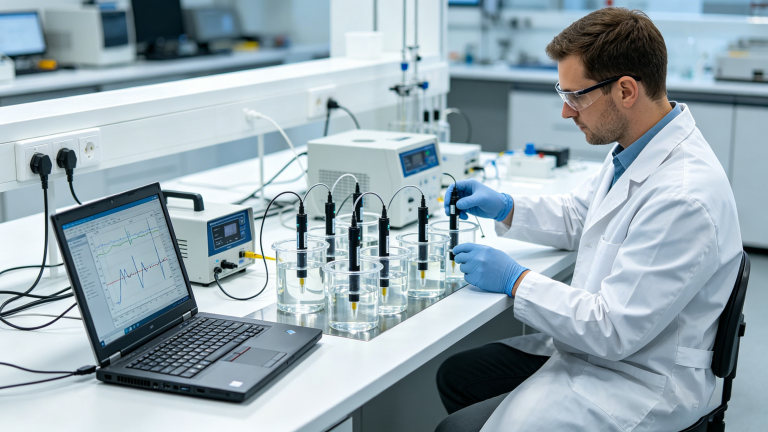
Despite their stability, optical sensors still require occasional validation. The recommended procedure is: factory calibration (one-point calibration in water-saturated air every 6–12 months); zero point check (using a sodium sulfite solution, rarely needed); and field check (compare against a freshly calibrated reference sensor weekly during the first month, then monthly).
Optical DO Sensor vs. Electrochemical Sensor: Comparison Table
| Feature | Optical DO Sensor | Electrochemical (Galvanic/Polarographic) |
|---|---|---|
| Measurement Principle | Fluorescence quenching | Electrochemical reduction of oxygen |
| Flow Dependence | None | Requires 0.3 m/s minimum |
| Calibration Frequency | Every 6–12 months | Weekly to daily |
| Maintenance | Clean cap; replace annually | Replace membrane, electrolyte, anode |
| Drift | <1% per year | 5–10% per week |
| Fouling Resistance | High (smooth cap) | Low (membrane sensitive) |
| Response Time | T90 < 60 seconds | T90 30–90 seconds |
| Lifetime (Sensor) | 2–5 years | 6–18 months |
| Upfront Cost | Higher | Lower |
| Total Cost of Ownership | Lower over 2+ years | Higher over 2+ years |
Common Misconceptions About Optical DO Sensors
Myth 1: “Optical sensors are too expensive for small farms.”
Reality: While the initial investment is higher, the reduced maintenance and longer lifespan make them cost-effective even for small farms. Many manufacturers now offer budget-friendly models with replaceable caps.
Myth 2: “They don’t work in high-salinity or brackish water.”
Reality: Optical sensors are unaffected by salinity. They work perfectly in fresh, brackish, and full seawater—a key advantage for shrimp farms with varying salinity regimes.
Myth 3: “They are fragile and unsuitable for outdoor ponds.”
Reality: Modern optical sensors are built with rugged, waterproof housings (IP68) and UV-resistant materials, designed for continuous outdoor deployment in harsh aquaculture environments.
Future Trends in Optical DO Sensing for Shrimp Farming
Wireless and IoT Integration
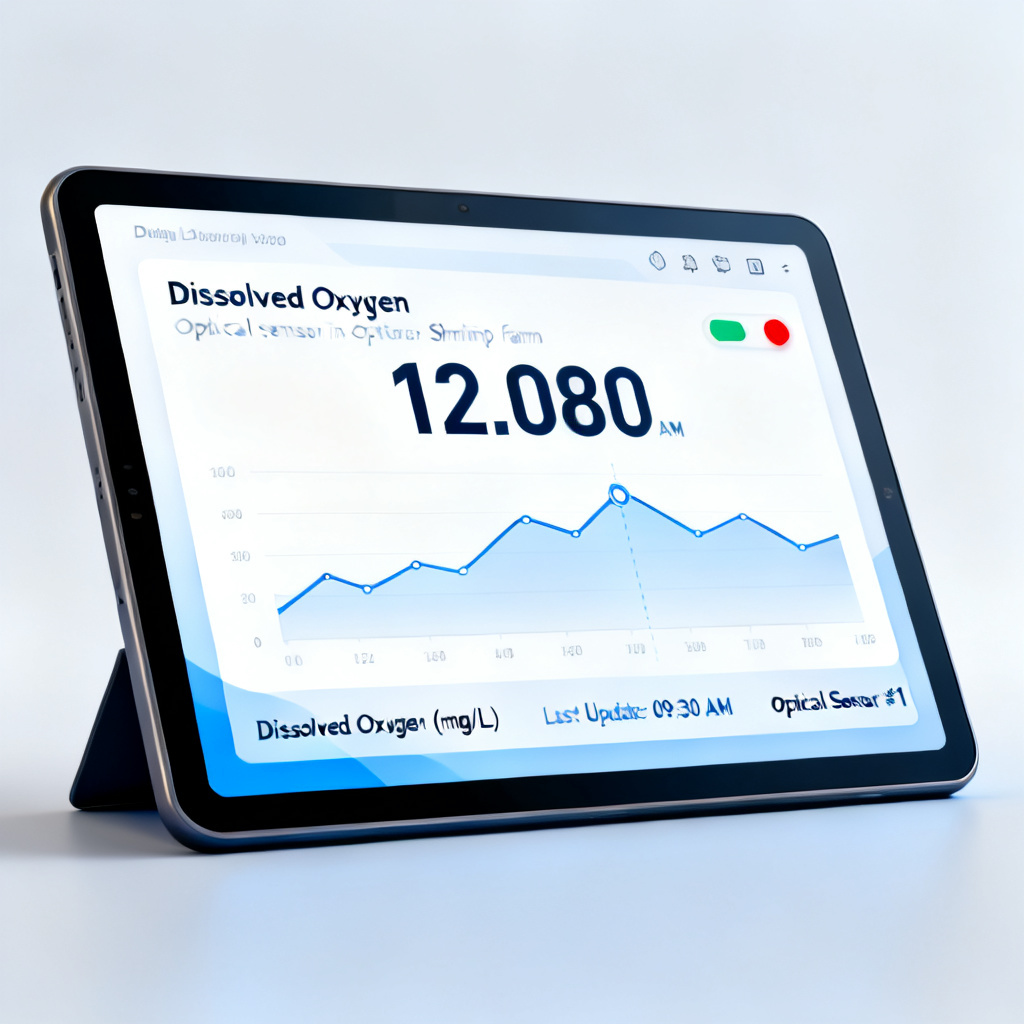
The next generation of optical DO sensors includes built-in Wi-Fi, LoRa, or cellular connectivity, enabling real-time data transmission to cloud platforms. Farmers can monitor DO levels from a smartphone or dashboard, receive alerts, and automate aeration remotely.
Multi-Parameter Probes
Combining optical DO with pH, temperature, salinity, and turbidity sensors in a single probe is becoming standard. This reduces the number of instruments in the pond and simplifies data integration.
Predictive Analytics
By combining historical DO data with feeding schedules, weather forecasts, and biomass estimates, machine learning algorithms can predict hypoxia events 2–4 hours in advance, allowing proactive intervention.
Frequently Asked Questions About Optical DO Sensors for Shrimp Farming
What is an optical DO sensor and how does it benefit shrimp farming?
An optical DO sensor uses fluorescence quenching to measure dissolved oxygen without consuming it. Its benefits for shrimp farming include drift-free accuracy, no flow dependence, and drastically reduced maintenance compared to electrochemical sensors.
How often do I need to calibrate an optical DO sensor in a shrimp pond?
Optical DO sensors typically require calibration only every 6–12 months, significantly less than the weekly or daily calibration needed for electrochemical sensors. This is a key advantage for shrimp farming operations with limited technical staff.
Can optical DO sensors be used in low-flow areas of shrimp ponds?
Yes. Unlike electrochemical sensors, optical DO sensors do not require a minimum flow rate for accurate readings. They can be deployed in stagnant zones, pond bottoms, and other low-flow areas critical for shrimp health.
What is the ROI of switching to optical DO sensors for shrimp farming?
The ROI is typically realized within 6–12 months for medium-to-large shrimp farms, driven by reduced maintenance costs, fewer sensor replacements, and energy savings from optimized aeration control.
Are optical DO sensors compatible with automated aeration systems?
Yes. Optical DO sensors output standard signals (4–20 mA, RS-485 Modbus) that integrate directly with VFDs, controllers, and SCADA systems, enabling precise, automated aeration control.
How do optical DO sensors compare to traditional electrochemical sensors?
Optical sensors offer superior stability, lower maintenance, no flow dependence, and better fouling resistance. While upfront costs are higher, total cost of ownership is lower over 2+ years.
What maintenance is required for optical DO sensors in shrimp ponds?
The only routine task is cleaning the sensor cap every 2–4 weeks and replacing it annually. No electrolyte refills, membrane replacements, or frequent calibrations are needed.
Do optical DO sensors work in high-salinity shrimp farming water?
Yes. Optical DO sensors are unaffected by salinity and work accurately in fresh, brackish, and full seawater, making them ideal for shrimp farms with variable salinity.
What is the lifespan of an optical DO sensor probe?
The probe typically lasts 2–5 years, with the sensor cap requiring replacement every 1–2 years. This is significantly longer than electrochemical probes, which often fail within 6–18 months.
Can optical DO sensors be integrated with IoT systems for remote monitoring?
Yes. Many modern optical DO sensors include wireless connectivity (Wi-Fi, LoRa, cellular) for real-time data transmission to cloud platforms, enabling remote monitoring and automated alerts.