Dissolved Oxygen Monitoring for RAS – Protecting Biofilters & Ensuring System Stability
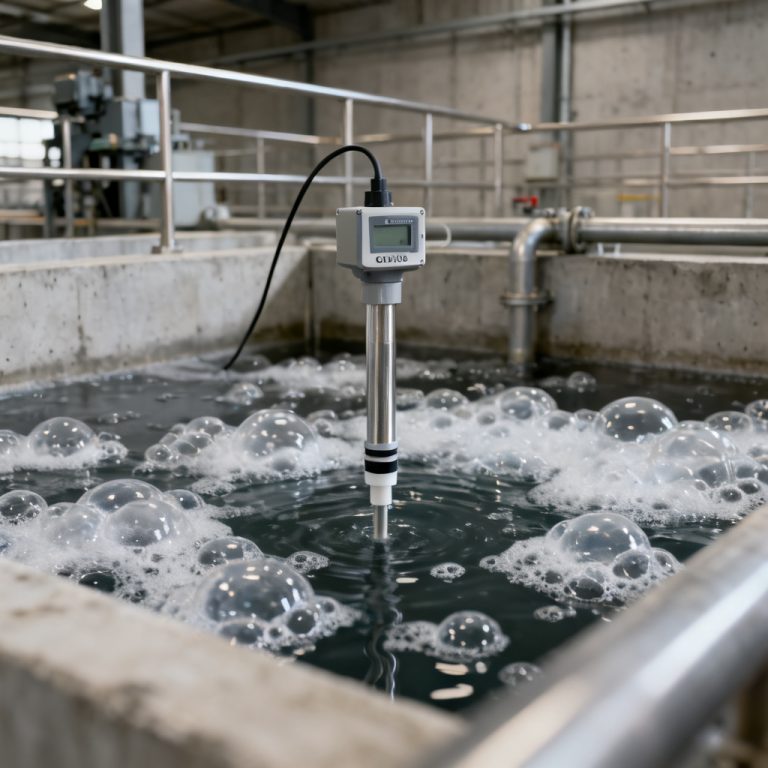
Dissolved oxygen monitoring in RAS is the most critical parameter separating a high-yield, land-based facility from a catastrophic system crash. In recirculating aquaculture systems (RAS), large fish biomass is concentrated in a limited water volume with minimal dilution. Every gram of metabolic waste remains until actively removed. In this high-intensity environment, a single DO sensor misreading is not a maintenance issue—it is a direct threat to fish survival, biofilter integrity, and entire production economics. (Source: RasTech Magazine, 2025; Nofima & DTU Aqua, 2023)
Critical Role of DO in RAS Biofilters
The biofilter houses nitrifying bacteria that convert toxic ammonia into nitrate through nitrification, an oxygen‑consuming reaction. Two distinct DO thresholds govern system health:
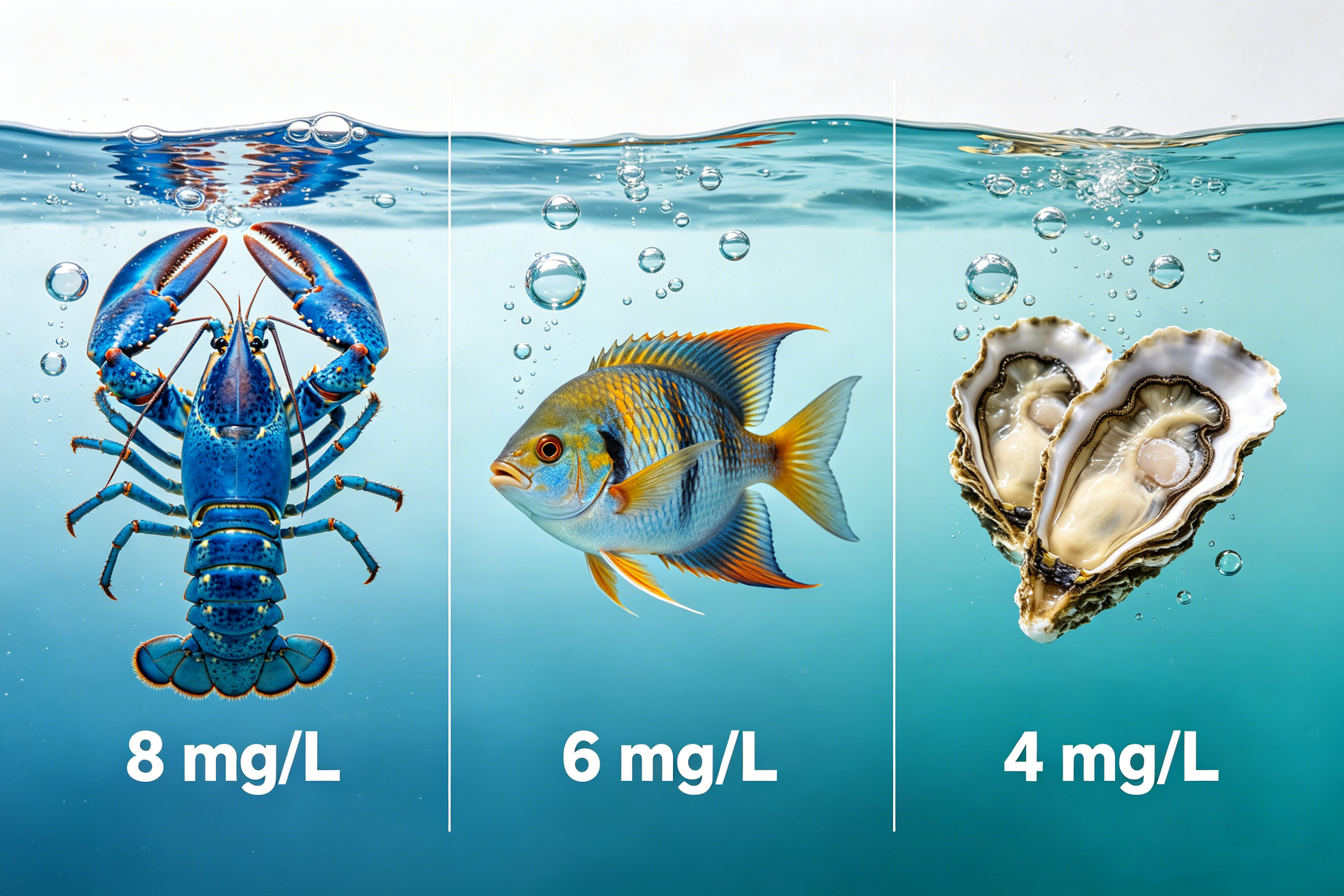
- Fish water column: Salmonids require >6 mg/L; tilapia >4 mg/L. Below these, stress, reduced feeding, and immune suppression begin.
- Biofilter nitrification: Nitrosomonas and Nitrobacter need >2 mg/L for basic survival, but >4 mg/L for optimal ammonia conversion. Below 2 mg/L, nitrification slows dramatically, leading to toxic ammonia accumulation and a biofilter crash within 6–12 hours.
Innovative biofilter health assessment via oxygen uptake: Researchers have validated methods that use an optical DO sensor to directly measure oxygen consumption rates (OCR) of biofilter elements. This provides real‑time biofilm activity data without laboratory ammonia tests, enabling early detection of organic overload.
Optimal sensor placement for biofilter protection:
- Inlet measurement: Records oxygen available before filtration.
- Outlet measurement: Records oxygen consumed by the microbial community. A widening differential warns of excessive organic loading from overfeeding or solids buildup before ammonia breakthrough occurs.
Sensor Selection for RAS Applications
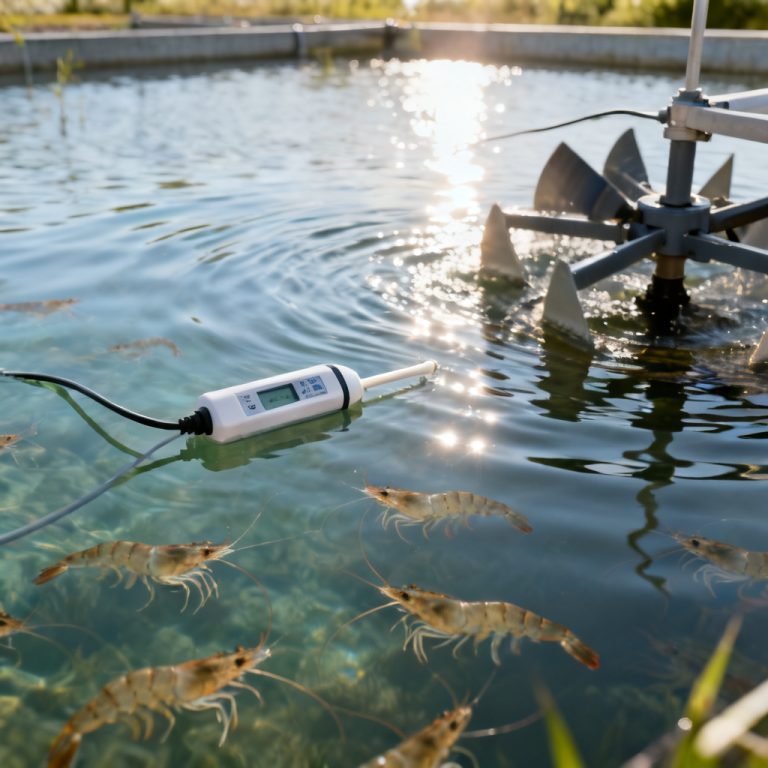
Oxygen costs represent 3–5% of total RAS production expenses. The choice of DO sensor technology directly influences oxygen waste and maintenance labor. In RAS warm‑water conditions (28–33°C for tropical species), traditional membrane-type electrochemical sensors degrade rapidly: membranes foul, electrolyte depletes, and calibration drifts become excessive within days.
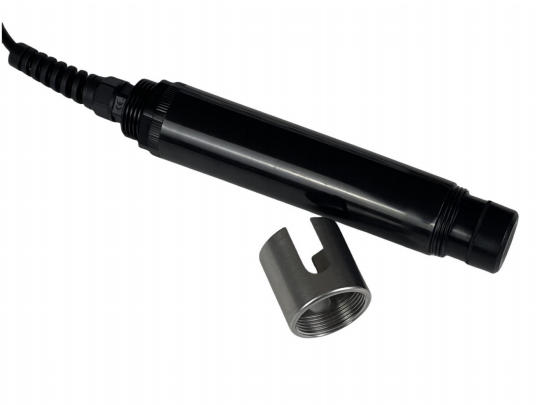
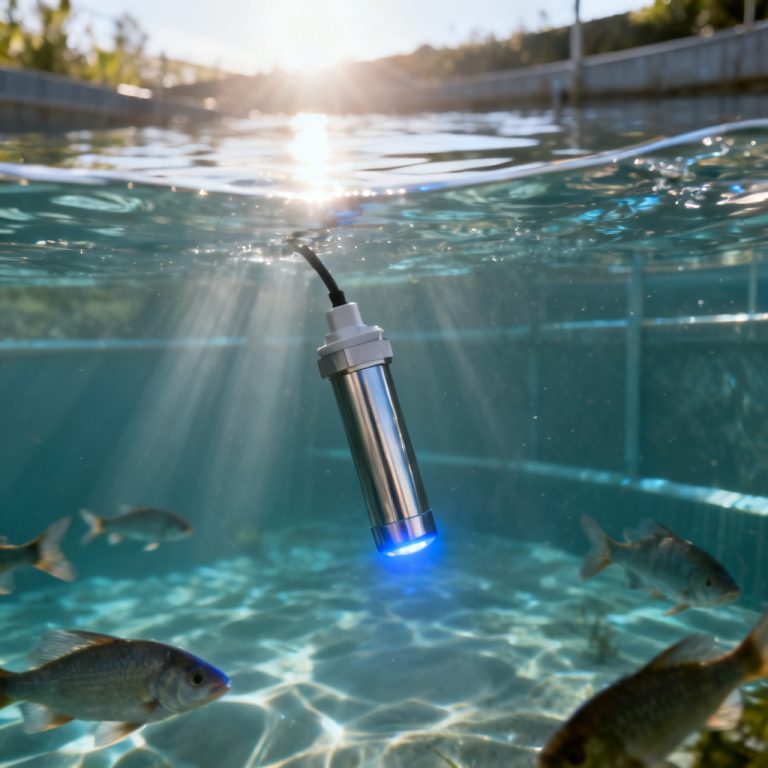
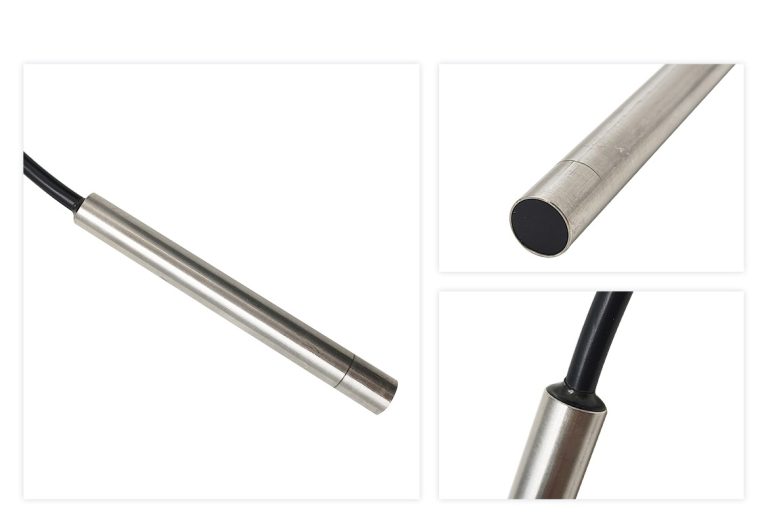
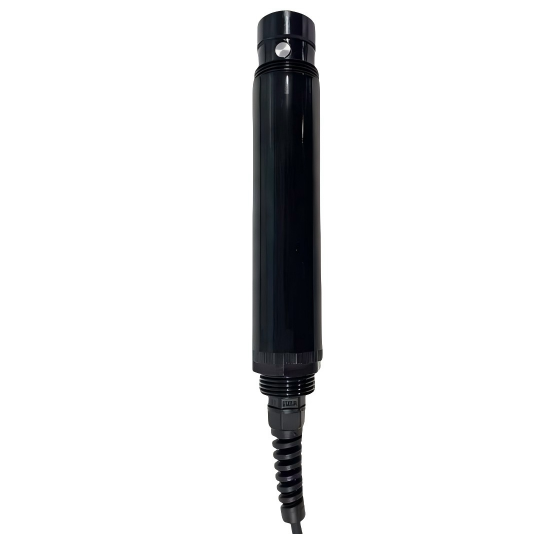
A Luminescent Dissolved Oxygen Sensor eliminates these consumables entirely. There is no membrane, no electrolyte, and no anode to degrade. The solid‑state sensing cap resists biofouling and maintains calibration stability for weeks in intensive recirculating environments. For a deeper understanding of how optical technology compares across aquaculture applications, refer to our technical guide on Optical Dissolved Oxygen Sensor technology.
Integration Architecture for RAS
A full RAS recirculation loop includes: Fish Tank → Mechanical Filter → Biofilter → Degassing Column → UV/Ozone Disinfection → Oxygen Injection → Back to Fish Tank. DO sensors must be integrated at these critical nodes:
- Fish tank outlet: The direct life‑support feedback point; triggers immediate aeration if DO drops.
- Biofilter inlet & outlet: Enables OCR monitoring and organic overload detection.
- Post‑oxygenation unit: Validates that oxygen injection equipment is delivering target DO before water returns to the fish.
Precision control: Advanced PLC‑based approaches use real‑time DO data from a Luminescent Dissolved Oxygen Sensor to actuate variable oxygen injection valves, achieving 80–90% oxygen absorption efficiency while maintaining stable levels and eliminating the waste of fixed‑gas‑flow methods.
Redundancy and Fail‑Safe Design
Redundancy is a design requirement, not an optional upgrade. Relying on a single DO probe in a high‑density RAS is insufficient—one point of failure can propagate system‑wide. Essential elements include:
- Dual sensors per point: Cross‑reference data; trigger alerts if readings diverge >0.5 mg/L.
- Emergency life support: Diffusers sized to maintain oxygen at full stocking density for at least 30 minutes.
- UPS and backup connectivity: Maintain monitoring during power or network outages.
- Weekly alarm tests: Physically move probes into low‑DO water to verify alert and dial‑out activation.
Case Studies: Land‑Based Salmon RAS, Tropical Species RAS
Thor Salmon Smolt Facility – Iceland
Targeting 20,000 metric tons of salmon annually, Thor Salmon deploys multiple dissolved oxygen sensors integrated with Innovasea Gas Management Towers (GMTs). These gravity‑driven towers combine low‑head oxygenation with degassing, with optical sensors providing real‑time feedback to automated control panels for remote DO management across the entire smolt production facility.
AI‑Based Intelligent Feeding Control – Egypt (2025)
A recent study tested a Deep Deterministic Policy Gradient (DDPG) controller that adapts feeding rates every 15 minutes using real‑time DO, pH, temperature, ammonia and biomass signals. When oxygen levels dropped suddenly, the smart controller restored target DO in just 12.7 minutes—compared to 35.3 minutes with conventional automation. This three‑fold faster recovery directly reduces the duration of hypoxic stress and prevents cascading water quality failures. For a complete comparison of sensor technologies in intensive production, see Optical vs. Electrochemical DO Sensors for Aquaculture.