Shrimp Farming DO Requirements: Complete Technical Guide
Understanding shrimp farming DO requirements is the cornerstone of successful aquaculture. This complete technical guide covers critical thresholds, monitoring, and management for optimal shrimp health and yield.
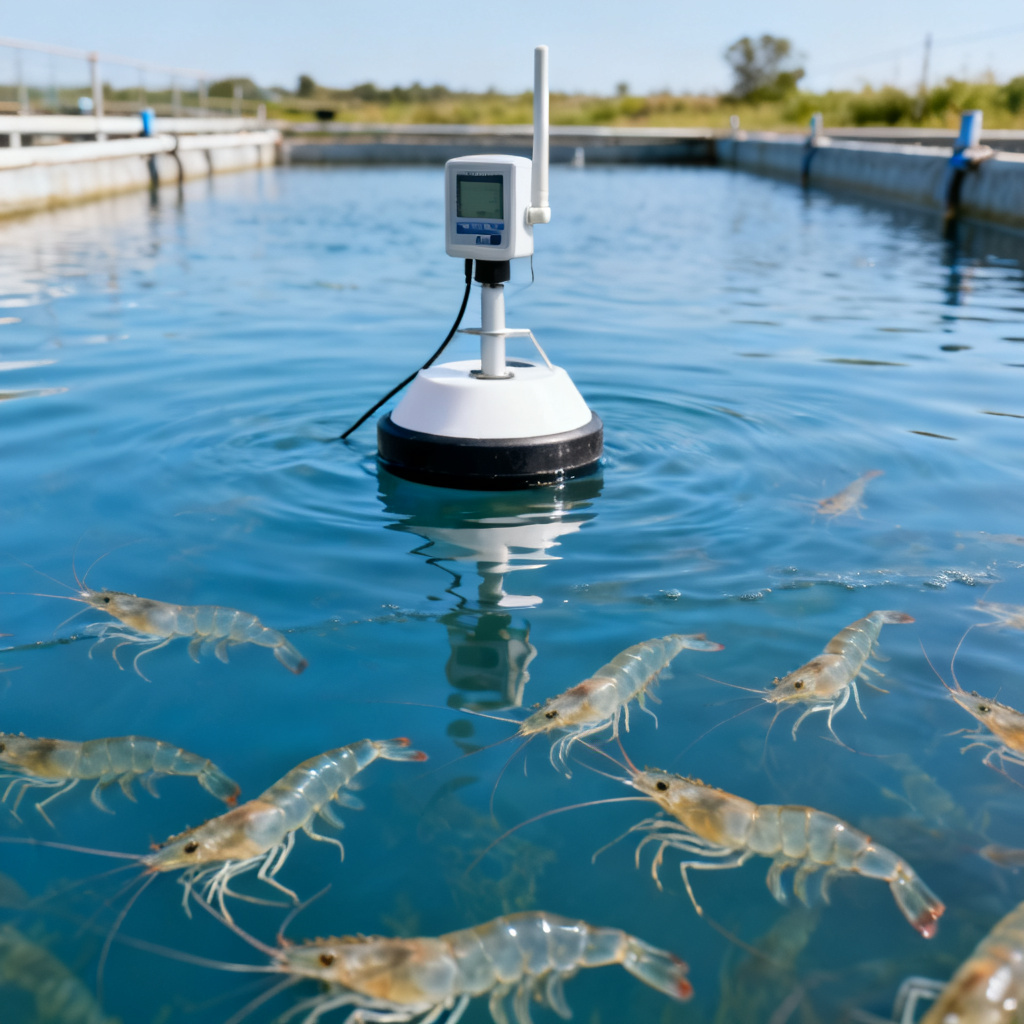
1. Critical Shrimp Farming DO Requirements: Thresholds and Ranges
1.1 Optimal DO Range for Shrimp Growth
Shrimp farming DO requirements dictate that optimal dissolved oxygen levels are between 5.0 and 8.0 mg/L. Within this range, shrimp exhibit normal feeding, molting, and growth rates. The minimum safe threshold is 4.0 mg/L, below which sub-lethal stress and reduced appetite occur. Critical hypoxia begins below 3.0 mg/L, leading to surface breathing and mortality below 2.0 mg/L.
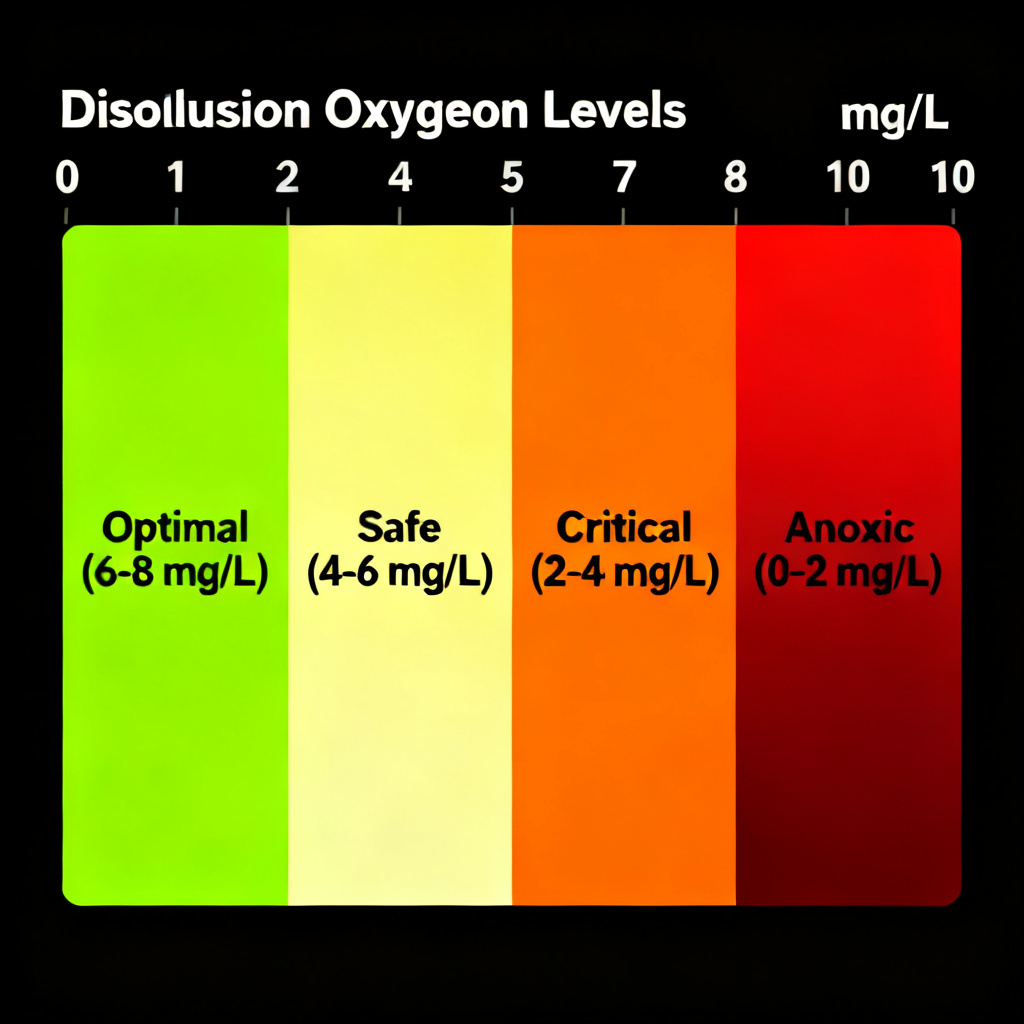
1.2 DO Requirements by Life Stage
Post-larvae and juvenile shrimp require higher DO (6.0–8.0 mg/L) due to rapid metabolism. Sub-adults tolerate 4.5–6.0 mg/L, but molting shrimp demand 20–30% more oxygen. These shrimp farming DO requirements vary significantly with age and physiological state.
1.3 Temperature and Salinity Effects on DO
DO solubility decreases as temperature rises. At 30°C, saturation is ~7.5 mg/L; at 25°C, it is ~8.5 mg/L. Higher salinity also reduces solubility. For every 1°C increase above 28°C, aerate 10–15% more to meet shrimp farming DO requirements.
2. Causes of DO Depletion in Shrimp Ponds
2.1 Biological Oxygen Demand (BOD)
Uneaten feed, feces, and phytoplankton blooms consume oxygen, especially at night. Overfeeding is a primary cause of DO crashes. Dense algal blooms produce oxygen by day but respire at night, causing nocturnal dips.
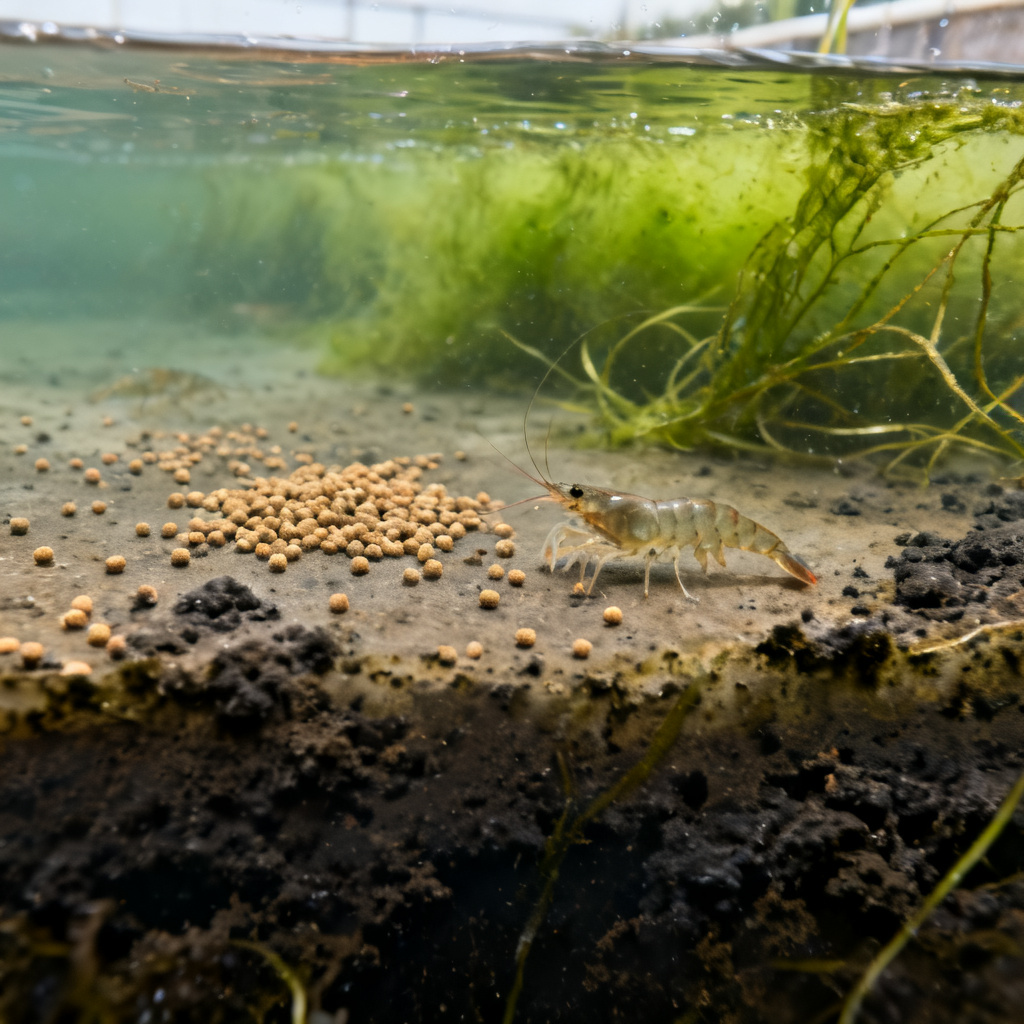
2.2 Chemical Oxygen Demand (COD)
Decaying organic matter and accumulated sludge at the pond bottom consume oxygen chemically. The benthic layer can account for 50–70% of total oxygen demand, making sludge management vital for meeting shrimp farming DO requirements.
2.3 Physical Factors
Thermal stratification, low wind action, and high stocking density all contribute to DO depletion. Stagnant water prevents oxygen diffusion to deeper layers where shrimp live.
3. Real-Time DO Monitoring: Sensors and Placement
3.1 Sensor Types for Shrimp Farms
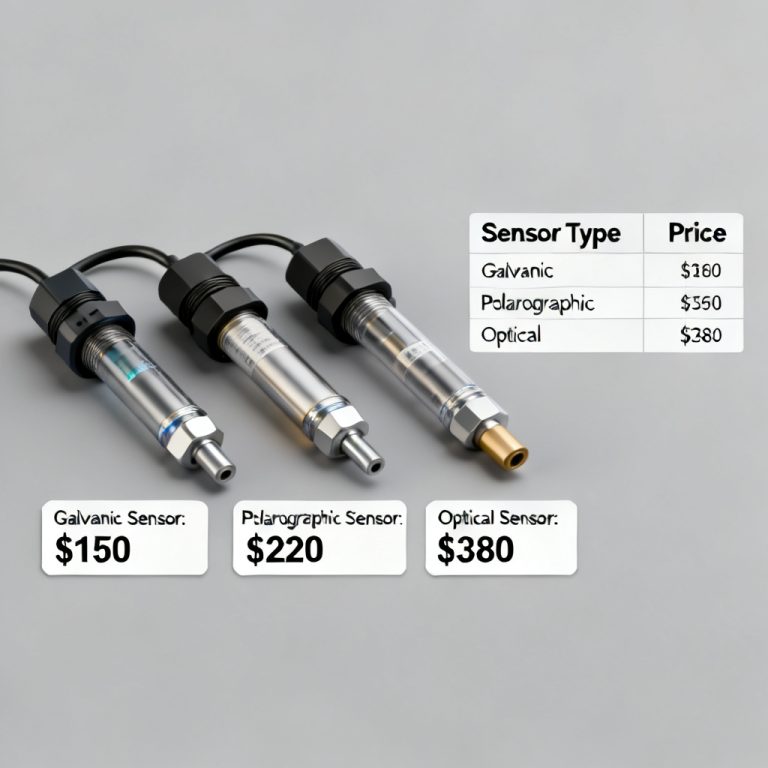
| Sensor Type | Key Features | Shrimp Farming DO Requirements Suitability |
|---|---|---|
| Optical DO Sensors | Accuracy ±0.1 mg/L, no drift, long lifespan | Best for intensive farms needing precise control |
| Electrochemical Sensors | Low cost, requires frequent calibration | Suitable for small-scale farms with regular maintenance |
Optical sensors are recommended for precision, while electrochemical sensors suit budget-conscious operations. Both must be calibrated to ensure accurate measurement of shrimp farming DO requirements.
3.2 Sensor Placement Best Practices
Place sensors at 30–50 cm depth and at 1–2 meters near the bottom. Locate them near feeding areas and opposite aerators. For ponds over 1 hectare, use at least 2–3 sensors to capture spatial variability.
3.3 Calibration and Maintenance
Optical sensors require monthly calibration; clean the sensing cap weekly. Electrochemical sensors need weekly calibration and monthly membrane replacement. Automated cleaning systems reduce labor in high-fouling ponds.
4. Aeration Strategies for DO Management
4.1 Types of Aerators
Paddlewheel aerators (1–2 HP per hectare) and diffused aeration systems are common. Oxygen injection is used in super-intensive systems. Proper aeration directly supports shrimp farming DO requirements.
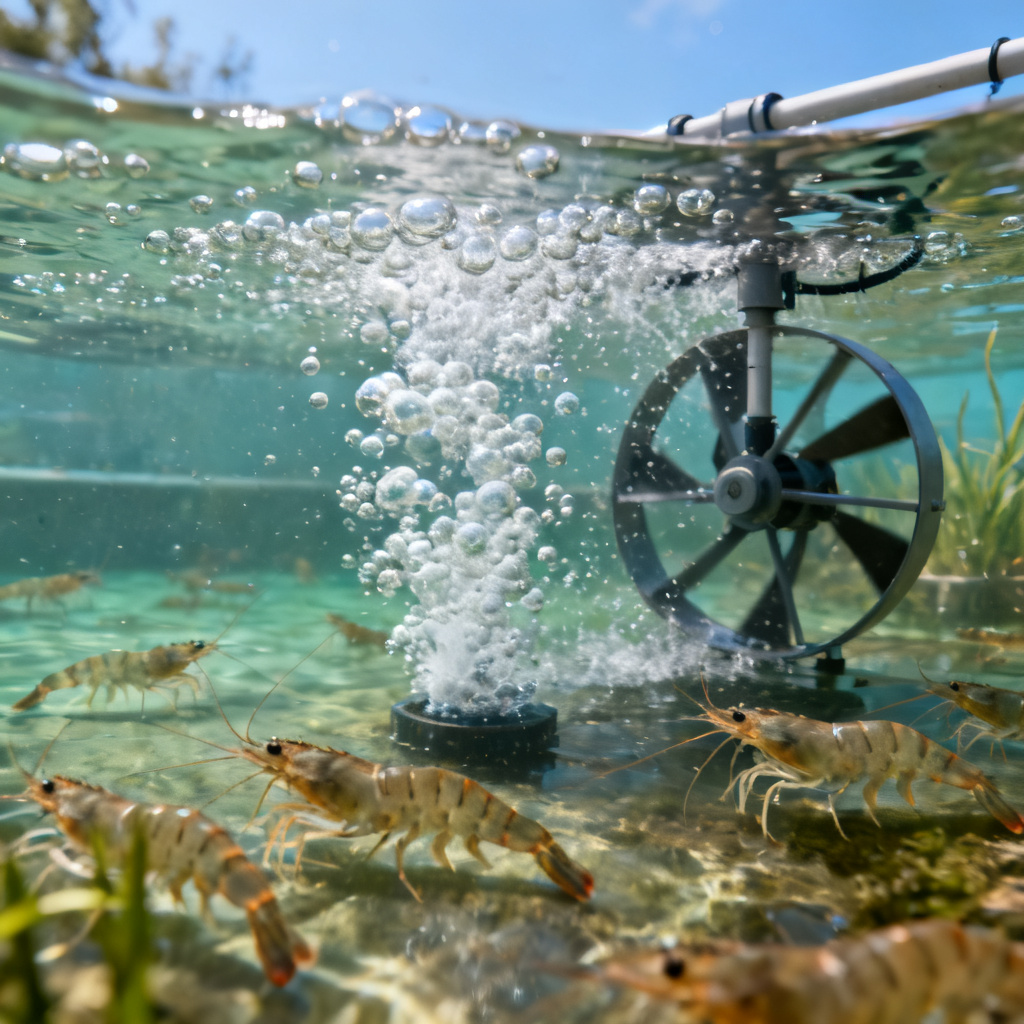
4.2 Aeration Scheduling
Run aerators from sunset to sunrise to combat nocturnal DO dips. Daytime intermittent aeration prevents stratification. Emergency aeration activates when DO drops below 3.5 mg/L.
4.3 Energy Efficiency Tips
Use variable frequency drives to adjust aerator speed based on real-time DO. Combine paddlewheel and diffused aeration for optimal surface and bottom oxygen transfer.
5. Emergency Protocols for DO Crashes
5.1 Immediate Actions
Stop feeding immediately. Increase aeration to maximum. Apply hydrogen peroxide (1–3 ppm) or calcium peroxide. Exchange 10–20% of pond water to dilute organic load. Reduce stocking density if overcrowded.
5.2 Long-Term Prevention
Implement biofloc systems, manage sludge weekly, and maintain Secchi disk visibility of 30–40 cm to balance oxygen production. These practices ensure consistent shrimp farming DO requirements are met.
6. Integrating DO Data with Farm Management
6.1 Data Logging and Alarms
Use IoT-enabled sensors for real-time data. Set alarms for DO < 4.0 mg/L (warning) and < 3.0 mg/L (critical). Sudden drops > 1 mg/L in 30 minutes trigger emergency response.
6.2 Correlation with Other Parameters
Low DO often correlates with low pH and increased ammonia toxicity. Use DO-temperature charts to adjust aeration automatically. Hypoxia increases shrimp stress and disease susceptibility.
6.3 Predictive Analytics
Historical DO data predicts crashes based on weather patterns. Machine learning models recommend optimal aeration and feeding schedules, directly improving shrimp farming DO requirements compliance.
7. Sensor Selection Guide for Shrimp Farms
| Farm Type | Recommended Sensor | Key Features | Budget Range |
|---|---|---|---|
| Small-scale | Galvanic (e.g., YSI Pro20) | Low cost, manual calibration | $200–$500 |
| Medium-scale | Optical (e.g., In-Situ RDO Pro) | Low maintenance, ±0.1 mg/L | $800–$2,000 |
| Large-scale | Optical with IoT | Real-time data, cloud integration | $2,500–$5,000 |
| Super-intensive | Optical with pure O₂ control | High precision, automated dosing | $5,000+ |
Choose sensors with IP68 rating, 2+ year warranty, and compatibility with farm management software to accurately measure shrimp farming DO requirements.
8. Common Myths and Mistakes in DO Management
Myth: “More aeration always means better DO.” Fact: Supersaturation (>10 mg/L) causes gas bubble disease. Myth: “DO is only important during daytime.” Fact: Nighttime crashes are most deadly. Mistake: Ignoring bottom DO; shrimp live near the pond floor where DO is often 1–2 mg/L lower than surface.
Conclusion: Building a DO Management System That Works
Successful shrimp farming hinges on maintaining dissolved oxygen within the optimal range (5.0–8.0 mg/L). By combining accurate real-time monitoring, strategic aeration, emergency preparedness, and data-driven decision-making, farmers achieve higher survival rates. For custom sensor solutions tailored to your shrimp farming DO requirements, contact our aquaculture sensor specialists.
FAQ: Shrimp Farming DO Requirements
What are the optimal shrimp farming DO requirements for growth?
Optimal dissolved oxygen for shrimp is 5.0–8.0 mg/L. Levels below 4.0 mg/L cause stress, and below 3.0 mg/L risk mortality.
How do temperature and salinity affect shrimp farming DO requirements?
Higher temperature and salinity reduce DO solubility. For every 1°C above 28°C, increase aeration by 10–15% to maintain shrimp farming DO requirements.
What sensors best measure shrimp farming DO requirements?
Optical sensors provide high accuracy and low maintenance, ideal for intensive farms. Electrochemical sensors are cost-effective for smaller operations.
How often should I calibrate DO sensors for shrimp ponds?
Optical sensors need monthly calibration; electrochemical sensors require weekly calibration to ensure accurate shrimp farming DO requirements monitoring.
What emergency actions maintain shrimp farming DO requirements during crashes?
Stop feeding, increase aeration, apply hydrogen peroxide, and exchange water to quickly restore DO levels.