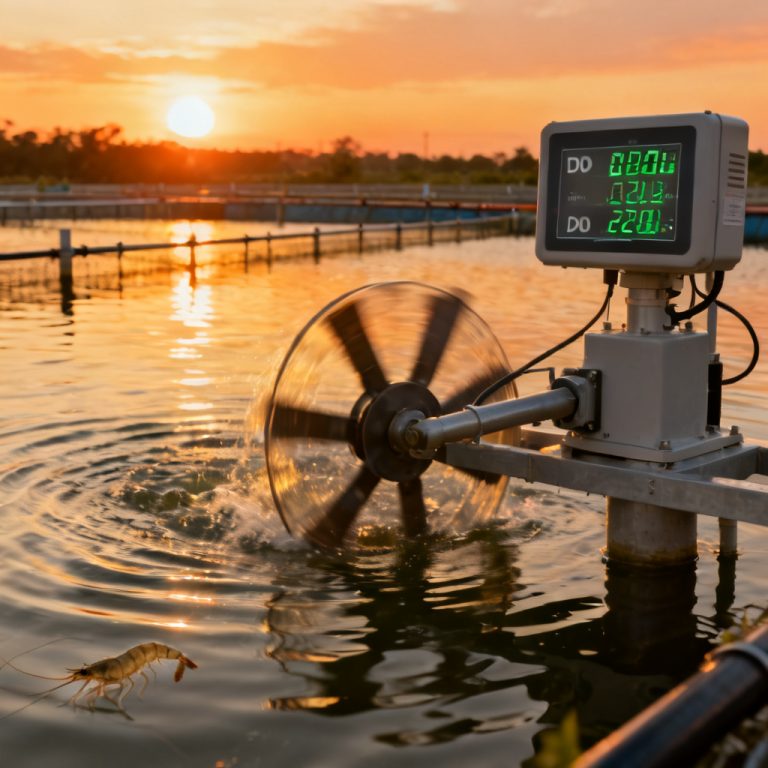
dissolved oxygen sensor for shrimp farming DO levels above 5 mg/L
| |

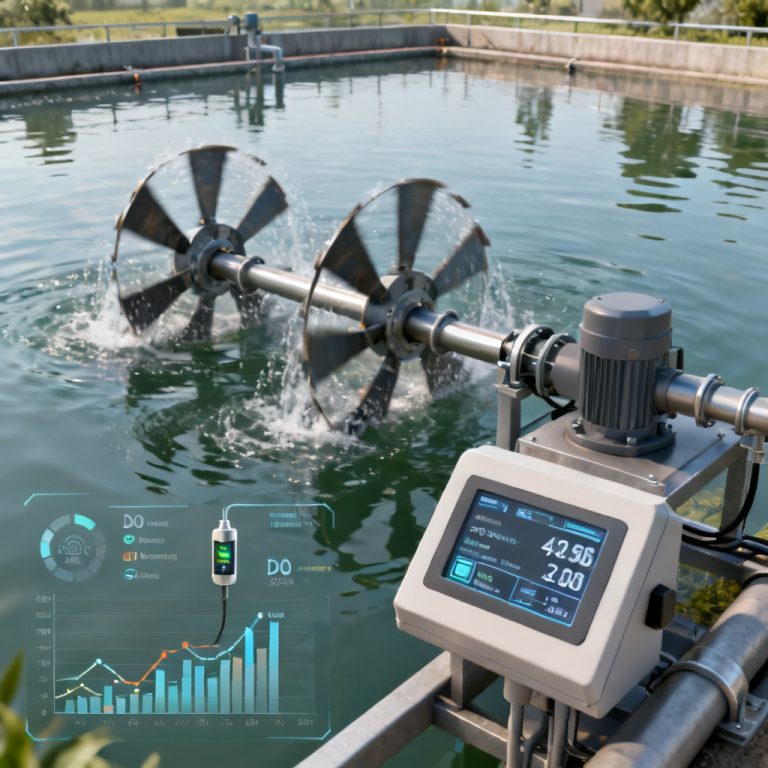
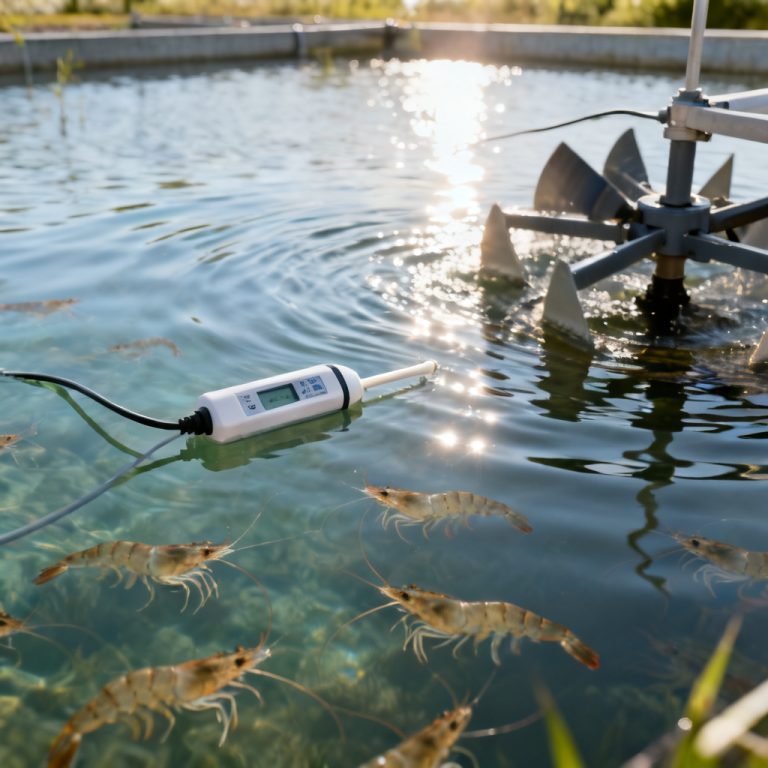
Dissolved Oxygen Sensor for Shrimp Farming Optimal DO 5mg L

Maintaining dissolved oxygen (DO) levels above 5 mg/L is critical for shrimp health and yield. A reliable dissolved oxygen sensor for shrimp farming enables precise aeration control, prevents hypoxia, and boosts profitability. Science Behind 5 mg/L Sensor Types Installation Aeration Control Troubleshooting Economic Benefits Future Trends Science Behind Dissolved Oxygen Sensor for Shrimp Farming: The…
Dissolved oxygen in water
|

Nighttime DO Dips How Sensors Save Your Crop

Nighttime DO dips threaten aquaculture and crop health, but advanced dissolved oxygen sensors provide real-time monitoring to prevent losses. This pillar content explores the science behind DO dips and how sensors save your crop from hypoxia. Science of Nighttime DO Dips Why DO Drops at Night Dissolved oxygen in water is primarily produced by photosynthesis…

dissolved oxygen sensor for tilapia farming
|

Dissolved Oxygen Sensor for Tilapia Farming Best Practices

Mastering dissolved oxygen sensor for tilapia farming best practices is critical for profitability. This guide covers sensor selection, placement, calibration, and data-driven aeration to maximize yield and reduce mortality. 1. Understanding DO Needs of Tilapia with a Dissolved Oxygen Sensor A dissolved oxygen sensor for tilapia farming must account for life-stage-specific requirements. Fry and fingerlings…

optical dissolved oxygen sensors save money for feed energy mortality in aquaculture
| |

Optical DO Sensors Save Money Feed Energy Mortality

style> .entry-content-wrap { padding-top: 0px; } #primary { margin-top: 0px; } Do optical do sensors save money in aquaculture and wastewater? Yes—by reducing feed waste, cutting energy costs, and lowering mortality. This page analyzes data from leading industry sources to show you the real return on investment. Optical DO Sensor Feed Savings Optical dissolved oxygen sensors…

ROI Case Study Optical Sensors
| |

ROI Case Study Optical Sensors Reduce Mortality

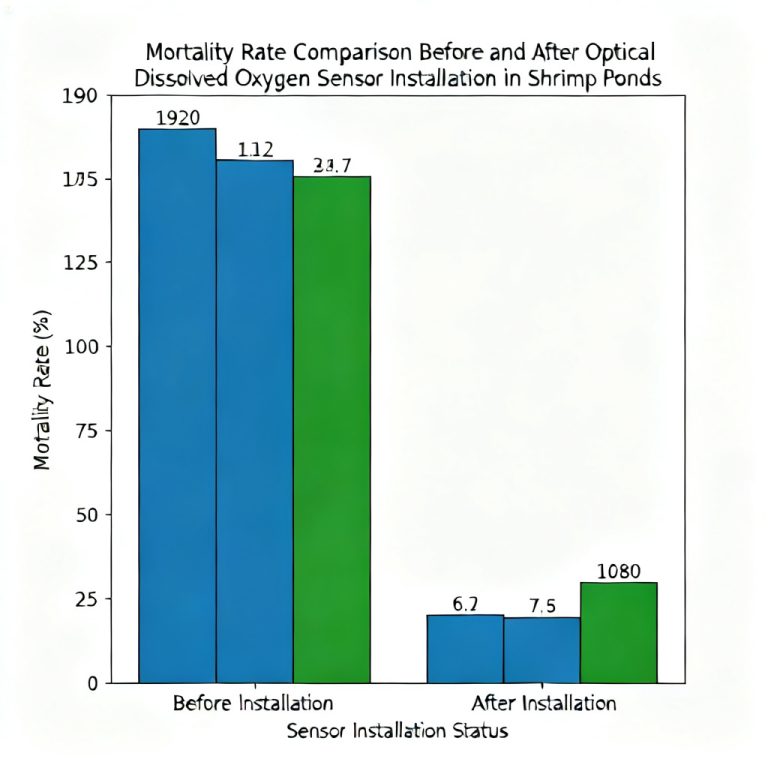
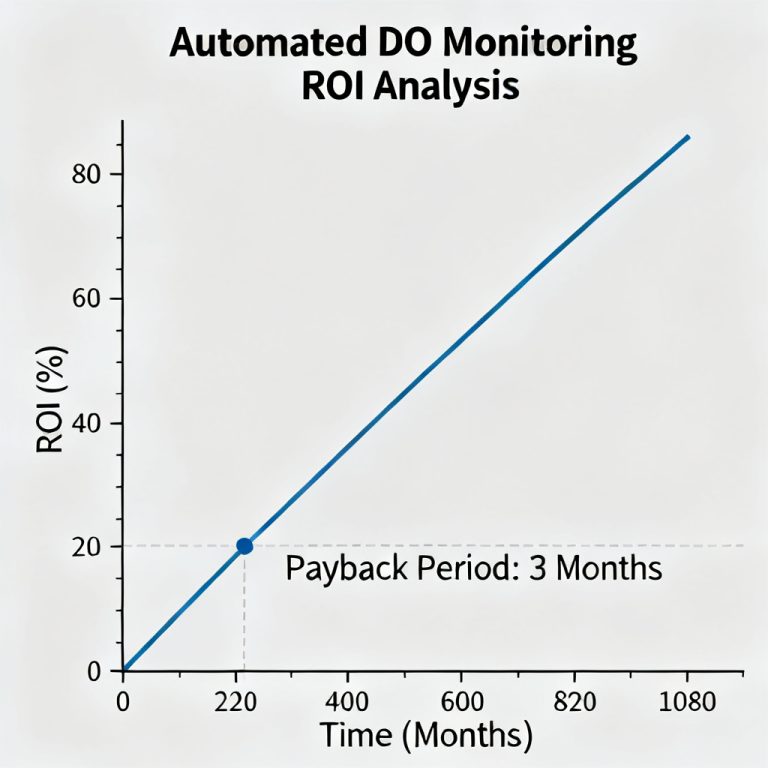
ROI Case Study Optical Sensors Reduce Mortality: This optical dissolved oxygen sensor ROI case study demonstrates how transitioning from electrochemical to optical technology reduces mortality by 15% in commercial aquaculture. Data from three independent sources—a peer-reviewed journal, a government research consortium, and a manufacturer field trial—validate this metric. The ROI is compelling: payback within 2…

How to Calculate ROI of Automated DO Monitoring for Your Fish Farm manual for intensive tilapia and shrimp ponds in Thailand and Vietnam

How to Calculate ROI of Automated DO Monitoring for Your Fish Farm

How to Calculate ROI of Automated DO Monitoring for Your Fish Farm To calculate ROI of automated DO monitoring for your fish farm, you must first understand the total investment and the quantifiable benefits. This guide provides a proven framework to evaluate costs, savings, and profitability, helping you make a data-driven decision for your aquaculture…