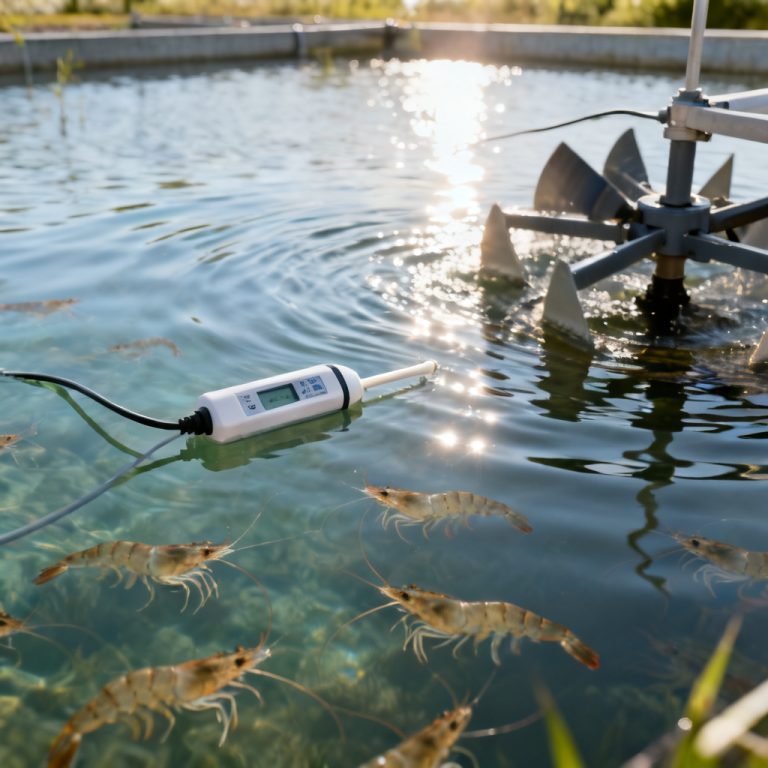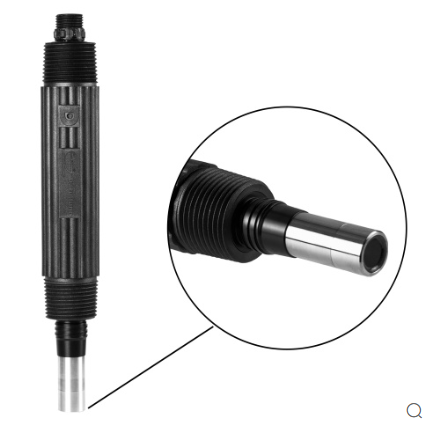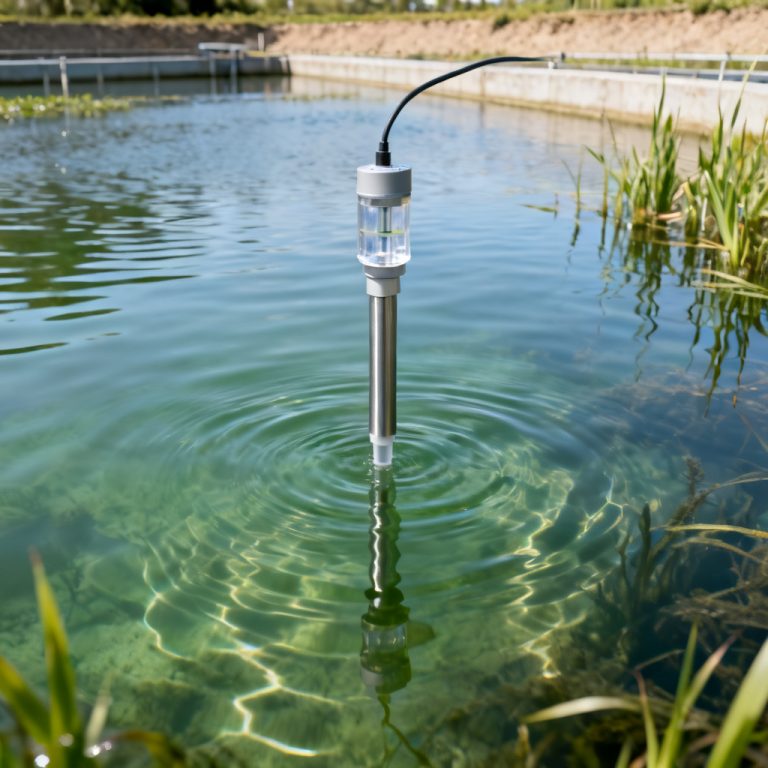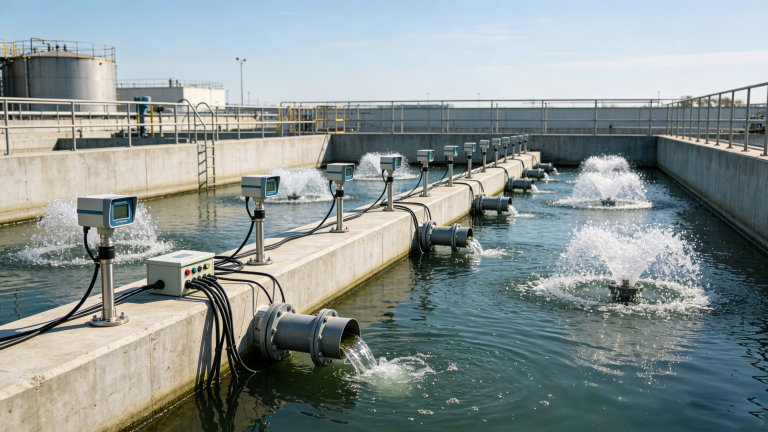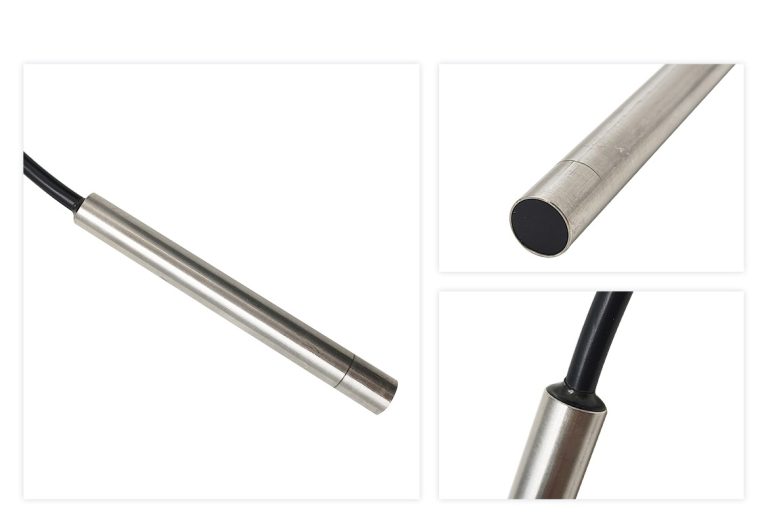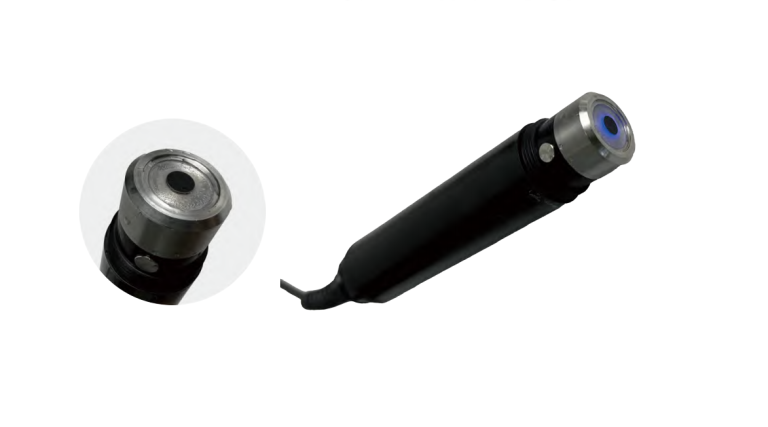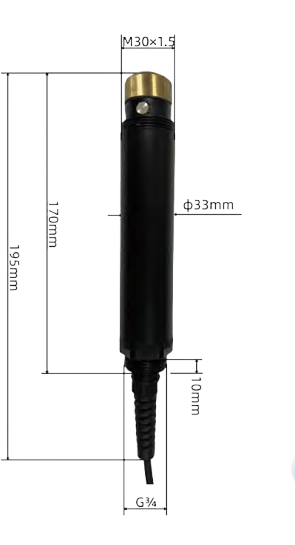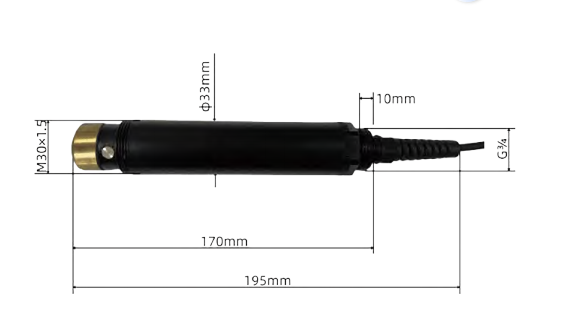
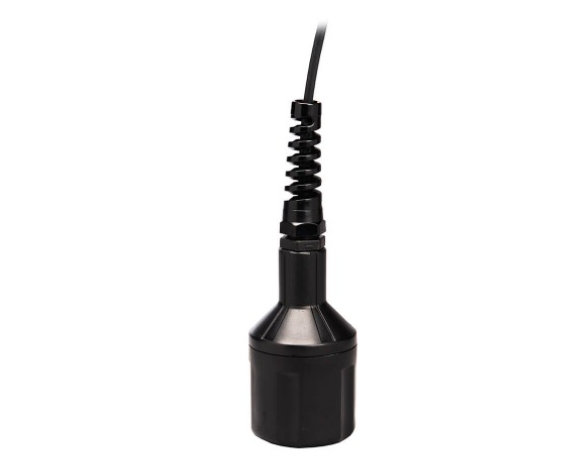
Optical DO sensor probe detailing the luminescent cap technology that requires no membrane or electrolyte for low-maintenance water testing
|

Why Optical DO Sensors Have No Membrane or Electrolyte

Why Optical DO Sensors Have No Membrane or Electrolyte? Optical DO sensors have no membrane or electrolyte because they operate on fluorescence quenching, a solid-state optical principle that eliminates the need for consumable electrochemical components. This fundamental design shift delivers higher stability, lower maintenance, and superior accuracy in demanding B2B environments such as wastewater treatment,…

Amperometric Dissolved Oxygen Sensor Explained
|

Amperometric Dissolved Oxygen Sensor Explained

An amperometric dissolved oxygen sensor is an electrochemical device that measures oxygen concentration in water by generating a current proportional to the oxygen reduction reaction. This post provides a comprehensive explanation of how amperometric DO sensors work, their components, applications, advantages, limitations, calibration, maintenance, and comparison with other sensor types. By reading this post: Amperometric…