Why Optical DO Sensors Have No Membrane or Electrolyte?
Optical DO sensors have no membrane or electrolyte because they operate on fluorescence quenching, a solid-state optical principle that eliminates the need for consumable electrochemical components. This fundamental design shift delivers higher stability, lower maintenance, and superior accuracy in demanding B2B environments such as wastewater treatment, aquaculture, and pharmaceutical fermentation.
How Optical DO Sensors Work Without Membrane or Electrolyte
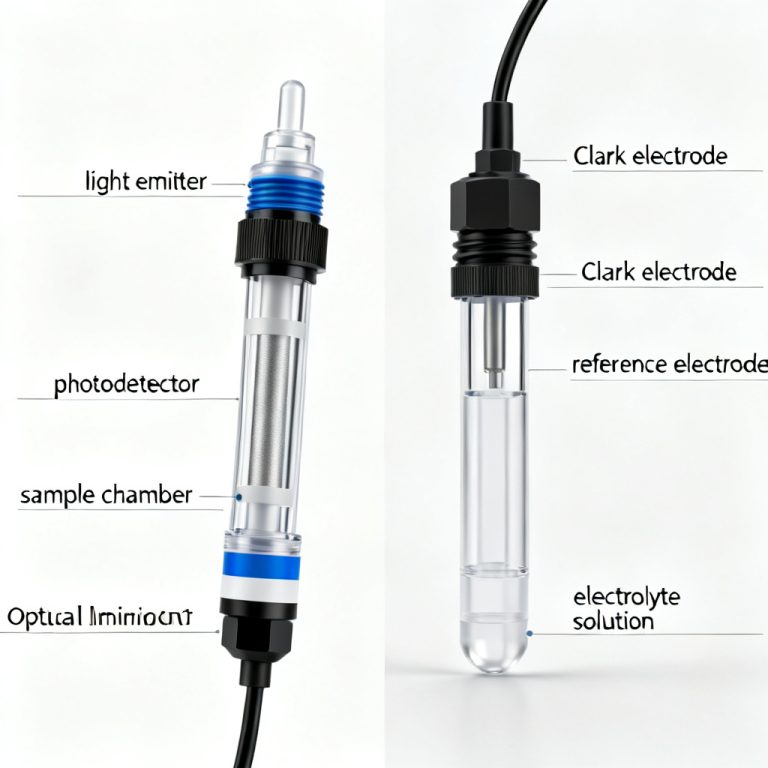
Optical DO sensors measure dissolved oxygen using a luminescent dye embedded in a sensing foil. A blue LED excites the dye, which emits red light. Oxygen molecules quench this fluorescence, reducing both intensity and lifetime. A photodetector measures the phase shift, which is inversely proportional to oxygen concentration.
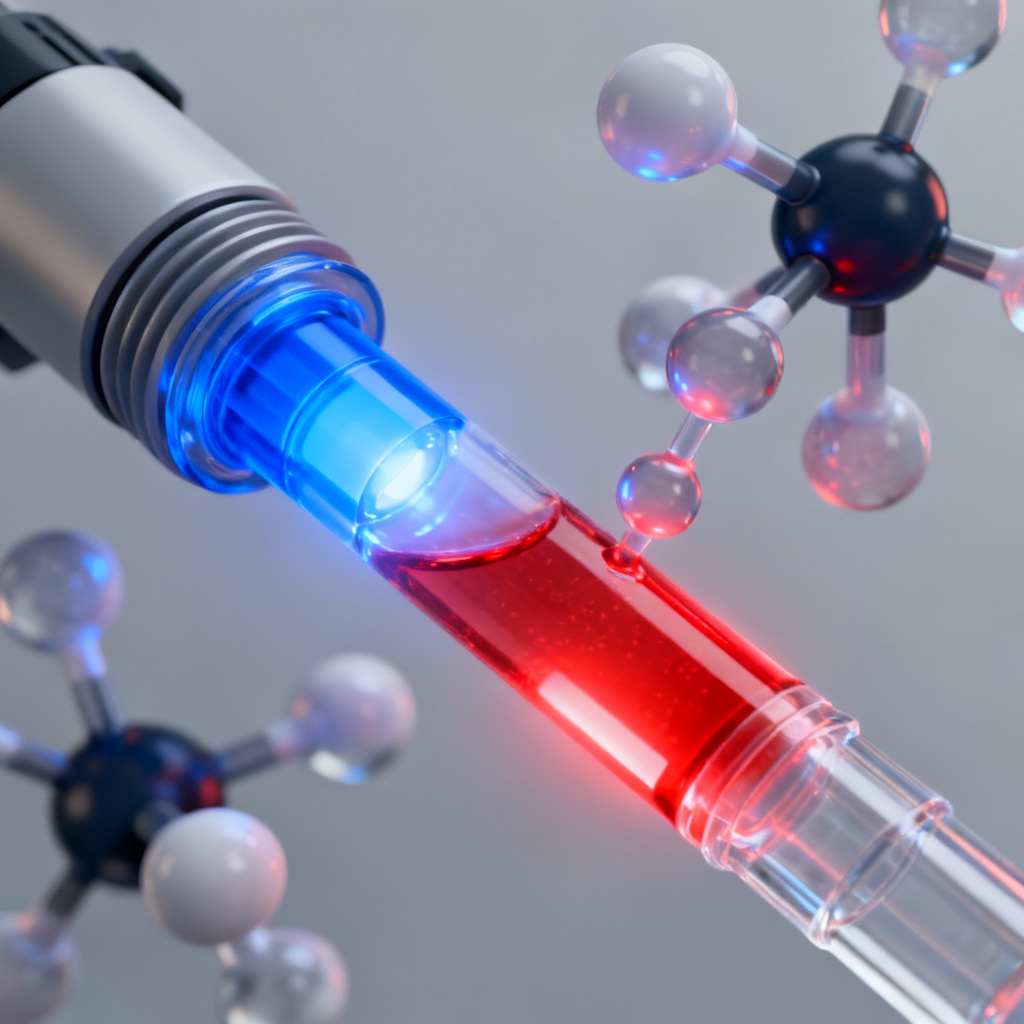
Because the measurement is purely optical, optical DO sensors have no membrane or electrolyte. There is no oxygen consumption, no diffusion barrier, and no liquid chemical pathway. The sensing foil is a solid-state matrix—typically sol-gel or polymer—that directly interacts with oxygen.
Fluorescence Quenching Principle Explained
The core mechanism is dynamic fluorescence quenching. When oxygen collides with excited dye molecules, it non-radiatively deactivates them, shortening the fluorescence lifetime. This lifetime change is measured with high precision, enabling accurate DO readings from 0 to 20 mg/L or higher.
Sensing Foil vs. Membrane: Why No Membrane Is Needed
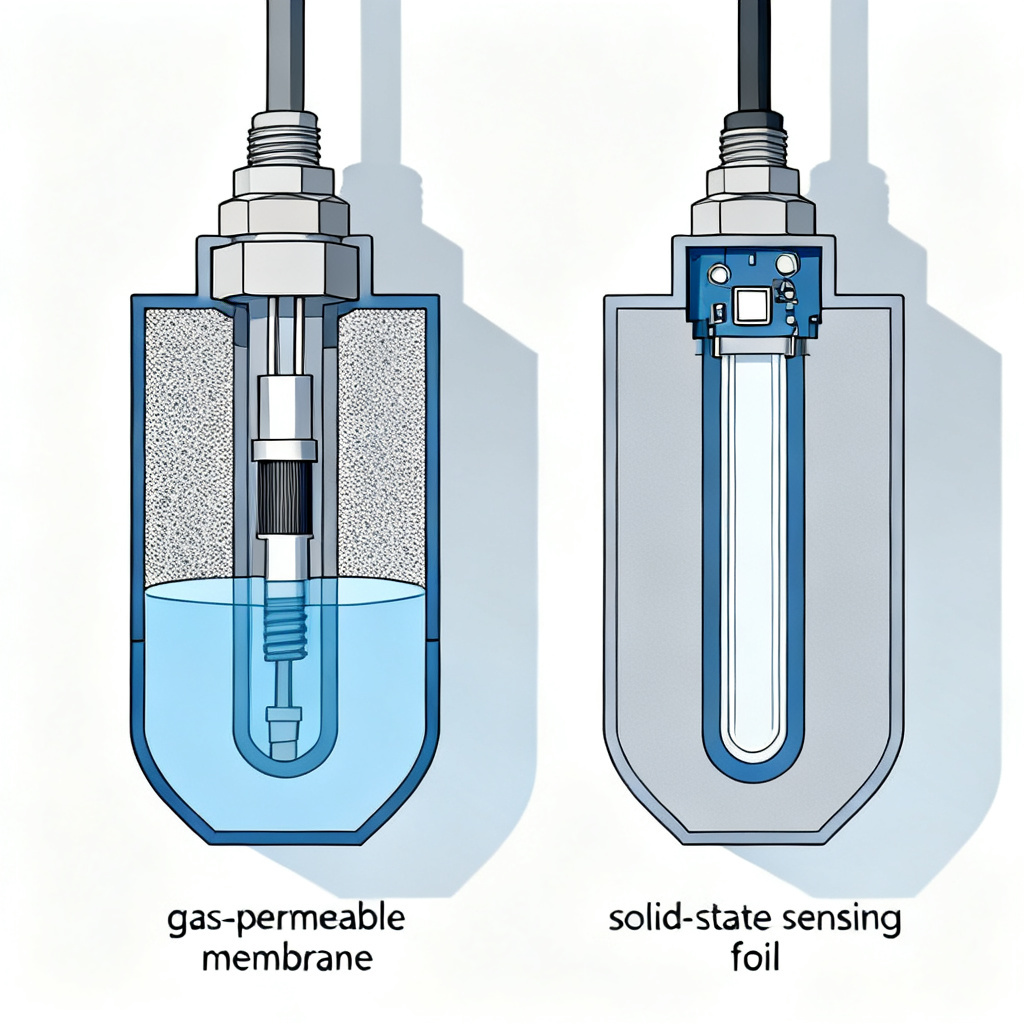
Electrochemical sensors rely on a gas-permeable membrane (e.g., PTFE) to allow oxygen diffusion into an electrolyte chamber. This membrane is fragile, prone to fouling, and requires regular replacement. Optical DO sensors replace the membrane with a robust sensing foil that is chemically bonded to the sensor tip. The foil does not require oxygen diffusion across a separate layer—oxygen interacts directly with the dye. This eliminates the membrane as a failure point and significantly reduces maintenance.
Why Optical DO Sensors Have No Electrolyte
Electrochemical DO sensors require a liquid electrolyte (typically KCl) to complete the electrical circuit between anode and cathode. Over time, the electrolyte is consumed, contaminated by interfering gases (H₂S, Cl₂, NH₃), or lost through evaporation. Optical DO sensors generate no electrical current—they measure light. Therefore, optical DO sensors have no electrolyte. The sensing element is a solid-state foil with no liquid components, making it immune to electrolyte poisoning, leakage, and depletion.
Solid-State Advantages Over Liquid Electrolyte
Without electrolyte, optical DO sensors offer several critical benefits: no warm-up time, no flow dependence, no interference from H₂S or chlorine, and calibration stability lasting 6–12 months. These advantages are especially valuable in industrial water quality monitoring, where chemical exposure and low-flow conditions are common.
Optical vs. Electrochemical DO Sensors: Detailed Comparison
| Feature | Optical DO Sensor (No Membrane, No Electrolyte) | Electrochemical (Clark) Sensor |
|---|---|---|
| Sensing principle | Fluorescence quenching | Electrochemical reduction of O₂ |
| Membrane | None (sensing foil) | Gas-permeable membrane required |
| Electrolyte | None (solid-state) | Liquid KCl required |
| Oxygen consumption | None | Oxygen consumed during measurement |
| Warm-up time | Instant | 5–15 minutes |
| Drift | <1% per year | Moderate, requires regular calibration |
| Maintenance | Minimal (clean foil occasionally) | Frequent (membrane, electrolyte refill) |
| Sensitivity to flow | None | Flow-dependent (stirring required) |
| Interference (H₂S, Cl₂, NH₃) | None | Yes (poisons electrolyte) |
| Long-term stability | Excellent | Degrades over time |
Key Advantages of Optical DO Sensors with No Membrane or Electrolyte
1. No Flow Dependence
Optical DO sensors do not consume oxygen, so they measure accurately in stagnant water, tanks, and low-flow environments. Electrochemical sensors create a depletion zone near the membrane, requiring stirring for accurate readings.
2. No Membrane Fouling Drift
Membrane fouling (biofilm, oil, silt) changes oxygen diffusion rates in electrochemical sensors, causing drift. Optical DO sensors measure directly through the foil; thin coatings have minimal effect, and many models include fouling compensation algorithms.
3. No Electrolyte Poisoning
In environments with H₂S, chlorine, or ammonia, electrochemical sensors fail quickly due to electrolyte contamination. Optical DO sensors are completely immune to these gases because they contain no electrolyte.
4. Longer Calibration Intervals
With no consumption of electrolyte or degradation of the membrane, optical DO sensors maintain calibration for 6–12 months, compared to weekly or monthly for electrochemical sensors.
5. Faster Response Time
Optical sensors typically achieve T90 in under 30 seconds, versus 60–120 seconds for electrochemical sensors, because oxygen interacts directly with the sensing foil without diffusion through a membrane.
Maintenance Considerations for Optical DO Sensors
While optical DO sensors have no membrane or electrolyte, they still require care:
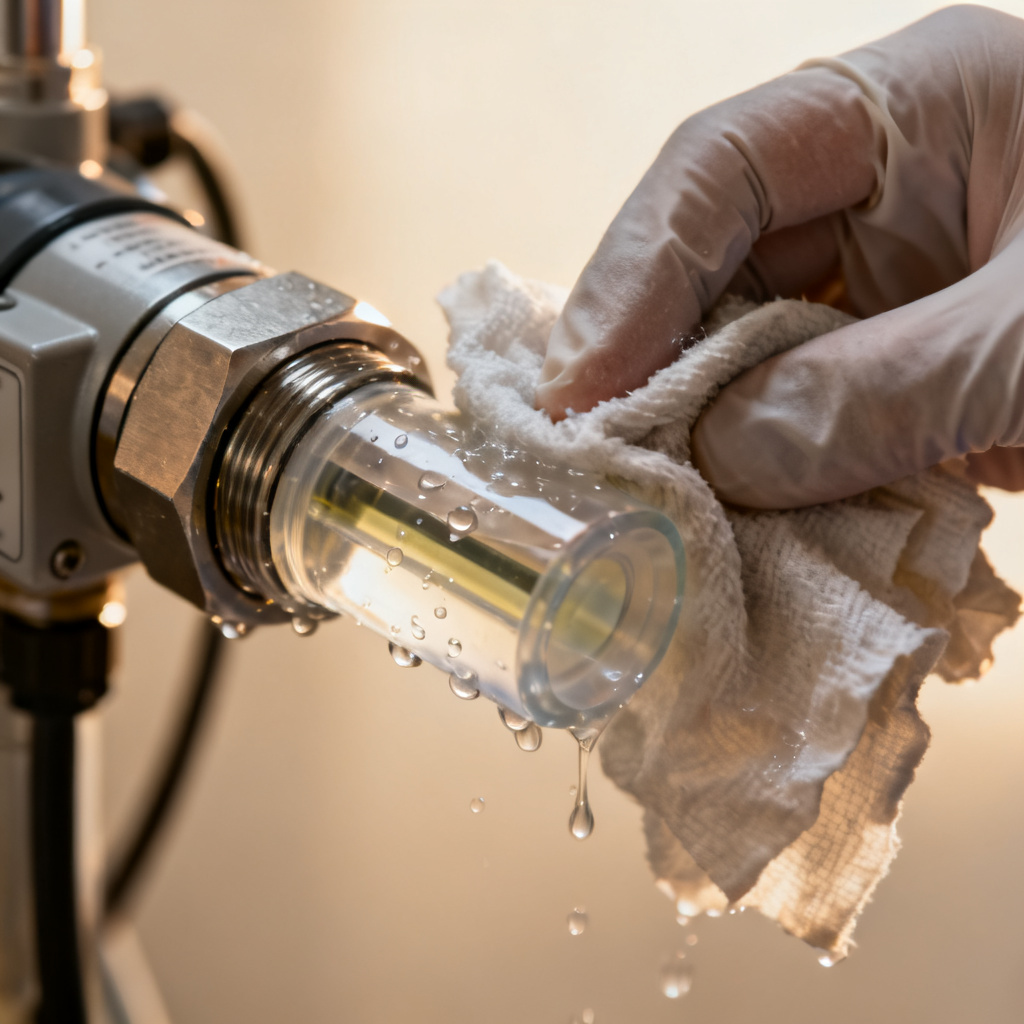
- Clean the sensing foil with a soft cloth and mild detergent to remove biofilm or scale.
- Check for photobleaching over years of use; replace the sensing cap as needed.
- Store in a moist environment to prevent the foil from drying out and cracking.
- Calibrate every 6–12 months using a two-point calibration (0% DO and 100% air saturation).
Common Misconceptions About Optical DO Sensors
Misconception 1: Optical sensors are inaccurate at low DO levels. Fact: Modern optical DO sensors are accurate down to 0.01 mg/L and widely used in bioreactors.
Misconception 2: Ambient light affects readings. Fact: Pulsed LED and synchronous detection reject ambient light effectively.
Misconception 3: The sensing foil is fragile. Fact: The foil is more robust than a membrane and resists many chemicals.
Applications Where Optical DO Sensors Excel
- Wastewater treatment: No flow dependence, resistant to H₂S, long calibration intervals.
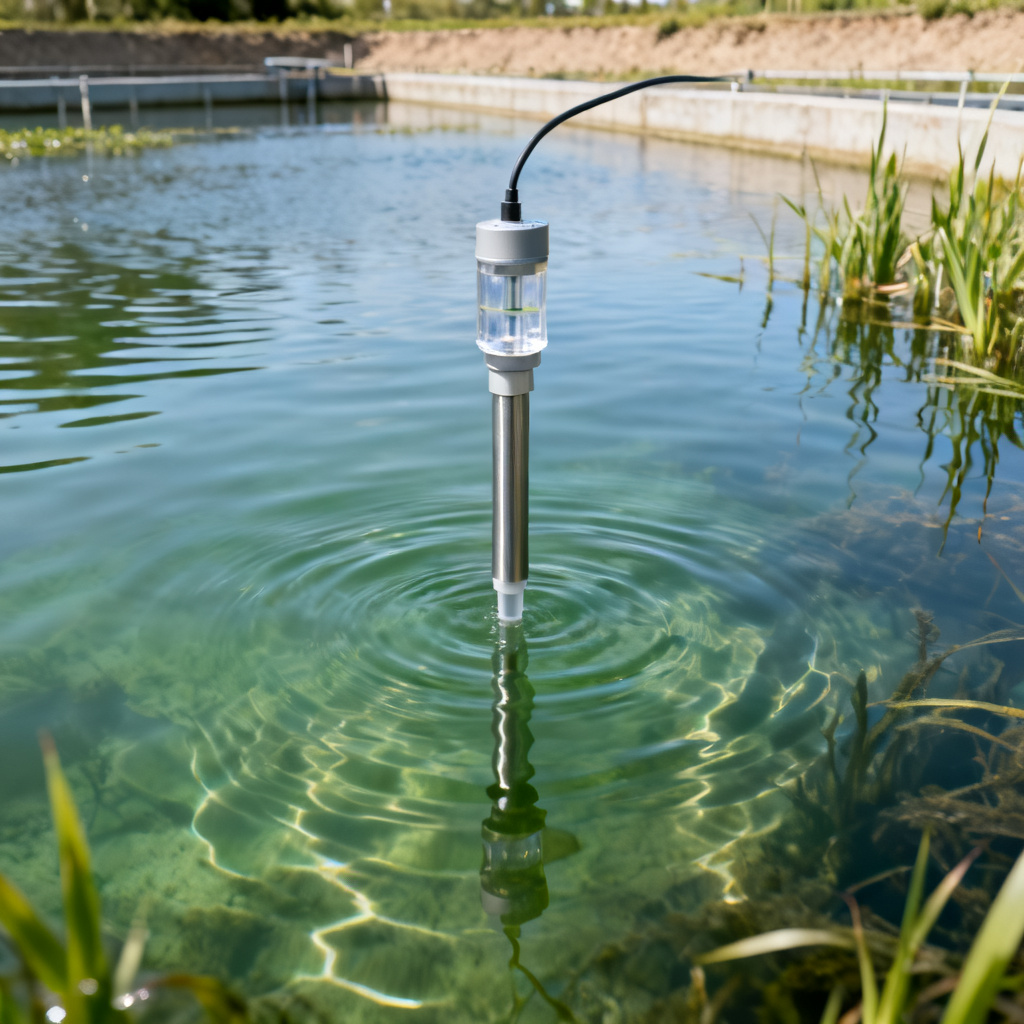
- Aquaculture: No membrane fouling from algae or feed, accurate in low-flow ponds.
- Pharmaceutical fermentation: No oxygen consumption, no interference from gases, fast response.
- Environmental monitoring: Long-term deployment with minimal maintenance.
- Food and beverage: CIP compatible, no electrolyte leakage risk.
Frequently Asked Questions About Optical DO Sensors
Why do optical DO sensors have no membrane?
Optical DO sensors use a solid-state sensing foil instead of a gas-permeable membrane. The foil contains luminescent dye that interacts directly with oxygen, eliminating the need for a separate membrane layer.
Why do optical DO sensors have no electrolyte?
Optical DO sensors measure fluorescence, not electrical current. Without an electrochemical reaction, there is no requirement for a liquid electrolyte. The sensing element is a solid-state material.
Are optical DO sensors more accurate than electrochemical sensors?
Yes, optical DO sensors offer higher long-term stability, no drift from membrane fouling, and no interference from H₂S or chlorine. They maintain accuracy over longer calibration intervals.
Can optical DO sensors be used in low-flow environments?
Absolutely. Because they do not consume oxygen, optical DO sensors are flow-independent and accurate in stagnant water, tanks, and low-flow aquaculture ponds.
What maintenance do optical DO sensors require?
Clean the sensing foil periodically, store in a moist environment, and calibrate every 6–12 months. No membrane or electrolyte replacement is needed.