The Breath of Life: Understanding Dissolved Oxygen’s Impact on Aquatic Ecosystems
Dissolved oxygen (DO) is a measure of the amount of oxygen dissolved in water. It can be caused by a process of aeration of water flowing through rapids or falls, a byproduct of photosynthesis and the atmosphere. Monitoring DO levels in water may be more important than you think because Dissolved Oxygen’s Effect on Ecosystems. From dead fish washing up on the shores of Singapore, to historically low levels of brown shrimp, DO is having an adverse effect on ecosystems all over the world.
When we look at a flowing river, a serene lake, or a vast ocean, it is easy to forget that the vibrant life thriving beneath the surface relies on the exact same element we do to survive: oxygen. However, aquatic organisms don’t breathe atmospheric air; they depend on Dissolved Oxygen (DO)—the microscopic bubbles of gaseous oxygen mixed directly into water.
While invisible to the naked eye, DO levels are the single most critical indicator of a water body’s health. When these levels fluctuate, the consequences can cascade rapidly through entire marine and freshwater ecosystems.
Where Does Dissolved Oxygen Come From?
Dissolved oxygen enters water through two primary, natural pathways:
Atmospheric Aeration: Physical movement forces air into the water. This occurs naturally when water flows rapidly over rapids, tumbles down waterfalls, or is churned up by strong winds and crashing waves on the surface.
Photosynthesis: Aquatic plants, submerged vegetation, and microscopic algae capture sunlight and carbon dioxide to produce energy, releasing oxygen directly into the water column as a byproduct during daylight hours.
The Ripple Effect: How DO Impacts Ecosystems
Healthy aquatic ecosystems typically require DO concentrations to remain stable, generally above 5 to 6 milligrams per liter (mg/L). When levels drop significantly below this threshold, ecosystems enter states of stress, often leading to devastating ecological turning points.
1. Hypoxia and “Dead Zones”
When dissolved oxygen drops to dangerously low levels (usually below 2 mg/L), a condition known as hypoxia occurs. If oxygen plummets further to zero, it is called anoxia. Mobile marine life, such as fish and crabs, will attempt to flee these areas. Slow-moving or sessile organisms—like clams, oysters, and worms—are trapped and rapidly suffocate. This leads to the creation of biological “dead zones” where virtually no aquatic life can survive.
2. Real-World Ecological Fallout
The global impacts of shifting DO levels are already heavily documented:
Mass Fish Kills: Sudden drops in oxygen, often triggered by rapid temperature spikes or stagnant waters, routinely cause thousands of dead fish to wash up on coastlines globally, from the shores of Singapore to inland lakes in North America.
Disruption of Commercial Fisheries: In regions like the Gulf of Mexico, historically low DO levels have severely impacted populations of brown shrimp and other commercially vital species. When these species are forced out of their natural habitats to survive, it disrupts the entire food web and cripples local fishing economies.
3. The Vicious Cycle of Algae Blooms
Human activities, such as agricultural runoff laden with fertilizers, introduce excess nutrients (nitrogen and phosphorus) into waterways. This sparks massive algal blooms. While these algae produce oxygen via photosynthesis during the day, they consume massive amounts of it at night through respiration. Furthermore, when the algae eventually die, bacteria feast on the decomposing matter. This bacterial decomposition consumes vast quantities of oxygen, depleting the water’s DO entirely and accelerating a catastrophic ecosystem collapse.
Why Continuous Water Monitoring is Crucial
Because dissolved oxygen levels are highly dynamic—fluctuating based on water temperature, salinity, depth, and time of day—spot-check testing is no longer enough to protect vulnerable habitats. Cold water naturally holds more oxygen than warm water, meaning rising global temperatures are inherently lowering the baseline of available oxygen in aquatic environments worldwide.
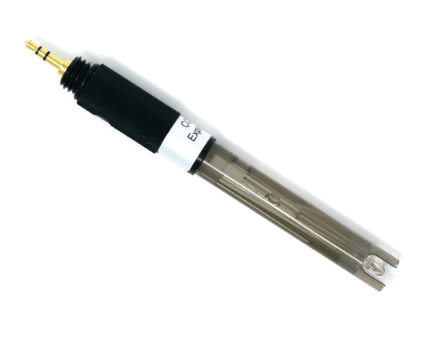
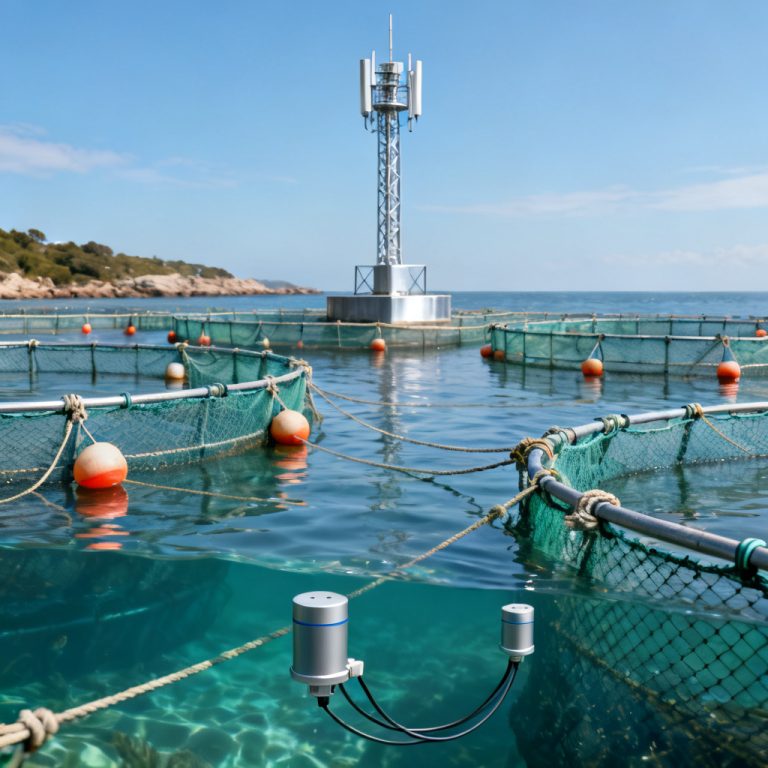
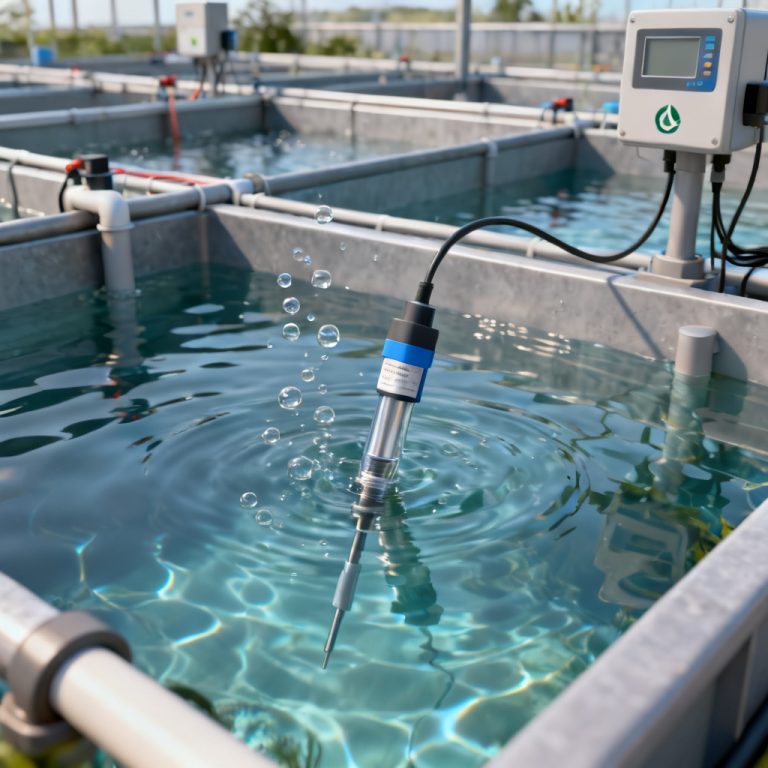
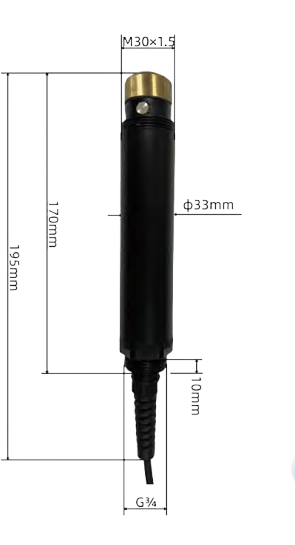
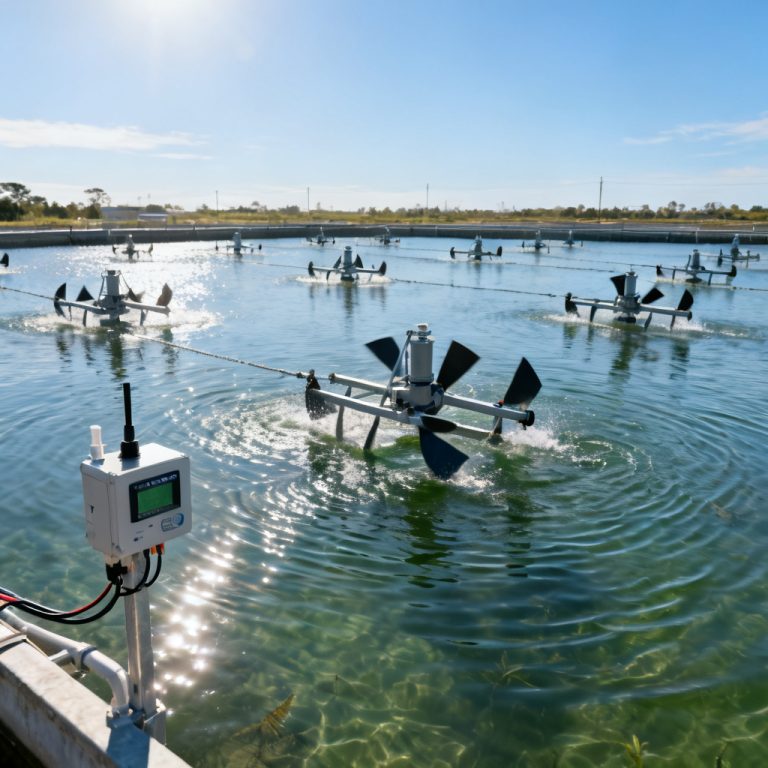
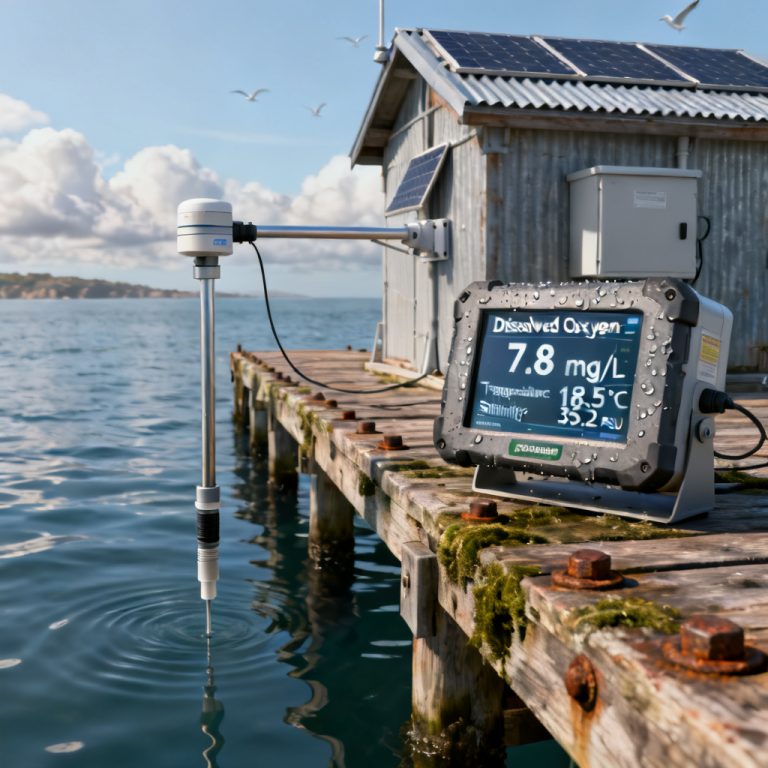
Deploying advanced, continuous dissolved oxygen sensors allows aquaculturists, environmental scientists, and regulatory agencies to track real-time fluctuations. Early warning systems enable managers to implement artificial aeration in fisheries or manage industrial runoff before critical thresholds are breached, saving thousands of marine lives and preserving the delicate balance of our global waters.