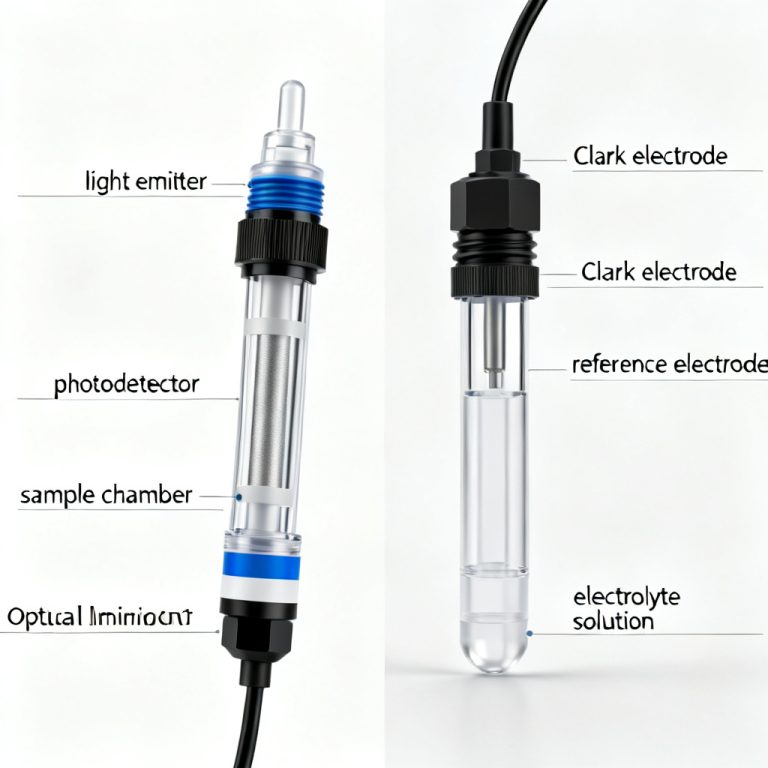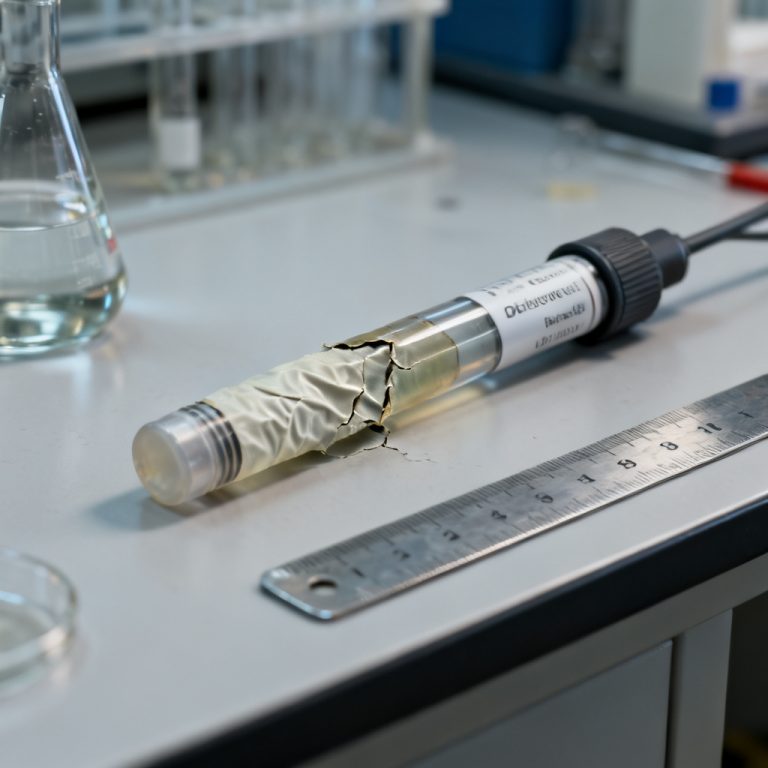
Commercial optical dissolved oxygen sensor price breakdown showing competitive bulk wholesale costs and long-term ROI comparison against galvanic membrane probes
|

How to Clean an Optical DO Sensor Without Damaging the Cap

Learning how to clean an optical DO sensor without damaging the cap is essential for maintaining accurate dissolved oxygen readings and extending sensor lifespan in industrial, aquaculture, and laboratory applications. Unlike electrochemical sensors, optical DO sensors rely on a delicate fluorescent cap that is easily ruined by improper cleaning methods. This guide consolidates best practices…

Optical DO Sensor Calibration Step by Step Guide
|

Optical DO Sensor Calibration Step by Step Guide

Accurate Optical DO Sensor Calibration is essential for reliable dissolved oxygen measurement in environmental monitoring, wastewater treatment, aquaculture, and industrial process control. Optical DO sensors, based on luminescence quenching technology, offer superior stability and low maintenance compared to traditional Clark-type electrodes. However, even the most advanced optical sensors require periodic calibration to maintain precision and…

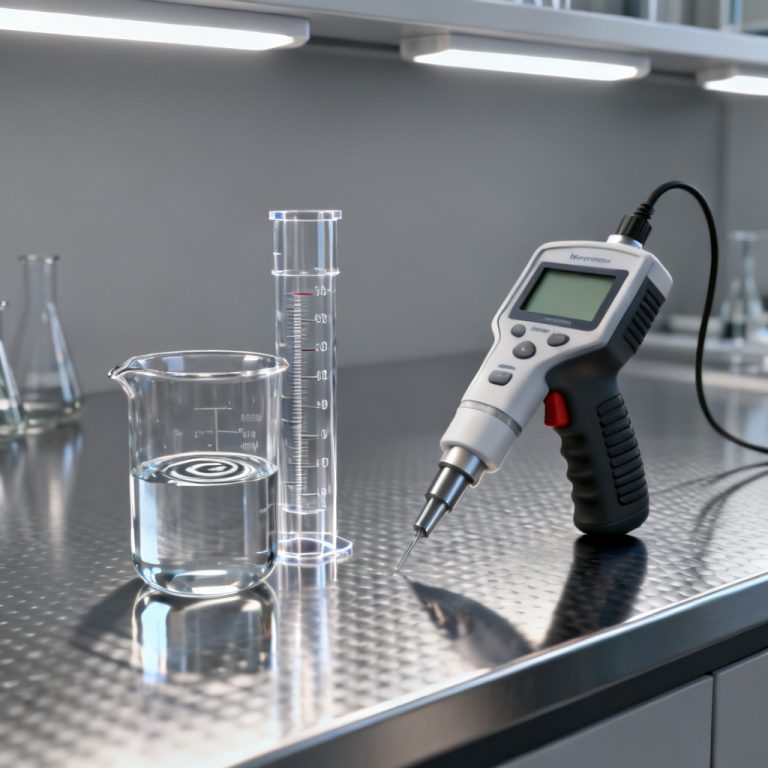
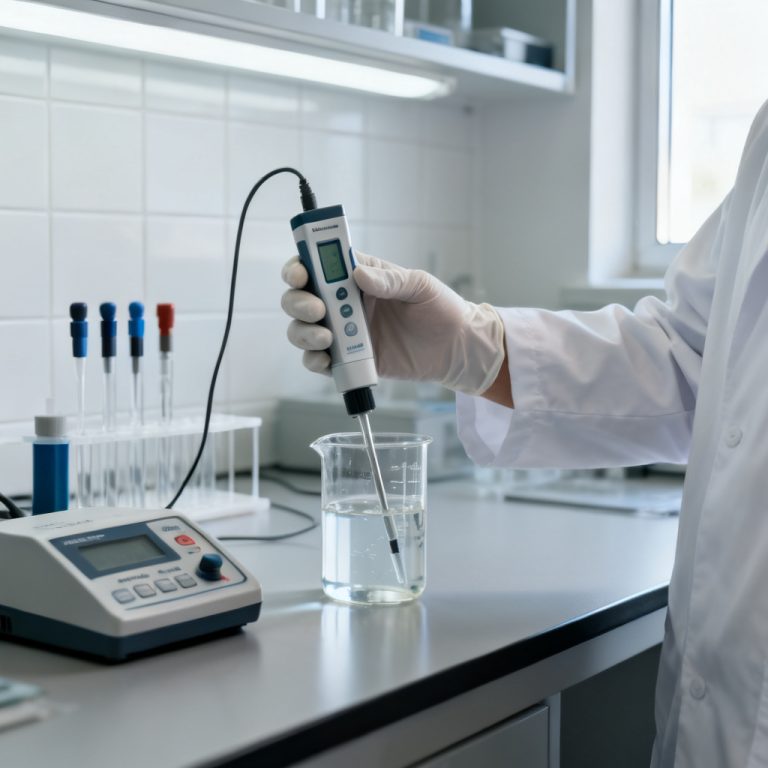
Electrochemical DO sensor calibration setup showing dissolved oxygen probe with calibration equipment and two-point calibration protocol preparation
|

How Often to Calibrate an Electrochemical DO Sensor

How Often to Calibrate an Electrochemical DO Sensor? Understanding the correct electrochemical DO sensor calibration frequency is essential for accurate dissolved oxygen measurement in aquaculture, wastewater treatment, and industrial processes. This pillar content synthesizes expert recommendations from YSI, Hach, and Atlas Scientific to provide a definitive calibration schedule. Factors Affecting Electrochemical DO Sensor Calibration Frequency…

Electrochemical DO sensor membrane replacement showing step-by-step process for replacing worn membrane on dissolved oxygen sensor probe
|

Signs Your Electrochemical DO Sensor Needs a New Membrane

style code after header 20260423 nosynced Recognizing the early signs your electrochemical DO sensor needs a new membrane is critical for maintaining accurate dissolved oxygen readings. In B2B operations—from wastewater treatment to pharmaceutical fermentation—a failing membrane leads to costly process upsets and compliance risks. This guide consolidates expert insights from YSI, Hach, and Mettler Toledo…

Electrochemical DO Sensor Calibration Process showing membrane replacement and electrolyte refill steps for dissolved oxygen sensor maintenance
|

Electrochemical DO Sensor Hidden Costs Membranes Electrolyte Calibration

Electrochemical DO sensor hidden costs significantly impact total ownership, often surpassing the initial purchase price. These expenses stem from three critical components: membranes, electrolyte solutions, and calibration procedures. Understanding these hidden costs is vital for optimizing operational budgets, extending sensor lifespan, and ensuring consistent data quality in water quality monitoring, aquaculture, wastewater treatment, and environmental…

Electrolyte Solution for DO Sensors When to Refill
|

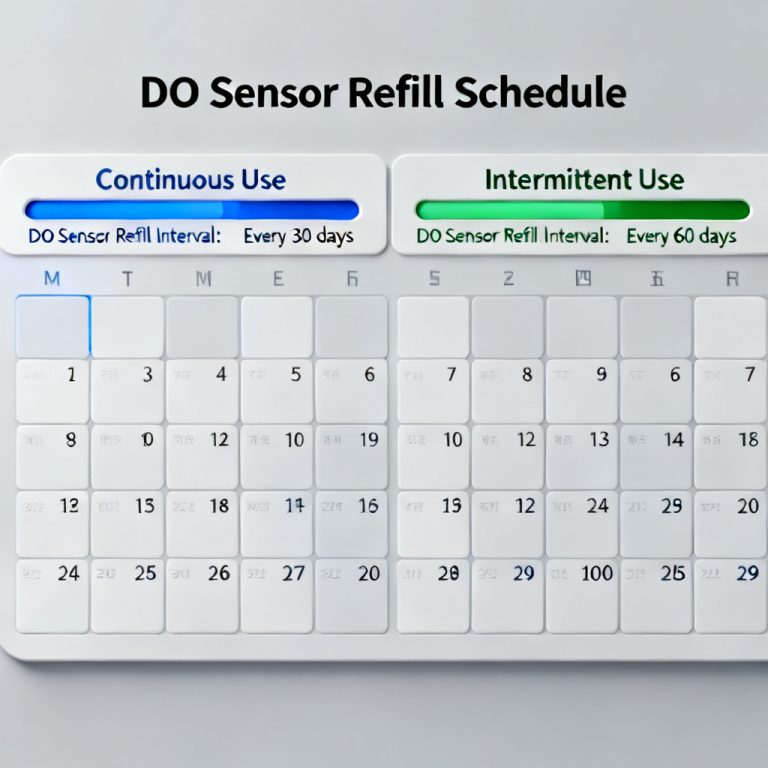
Electrolyte Solution for DO Sensors When to Refill

Understanding the electrolyte solution for DO sensors is critical for accurate dissolved oxygen measurement. This guide explains the science, signs of depletion, refill timing, and step-by-step maintenance to ensure your dissolved oxygen sensor delivers reliable performance in aquaculture, wastewater, and industrial applications. How Electrolyte Solution for DO Sensors Works The Electrochemical Principle In polarographic and…

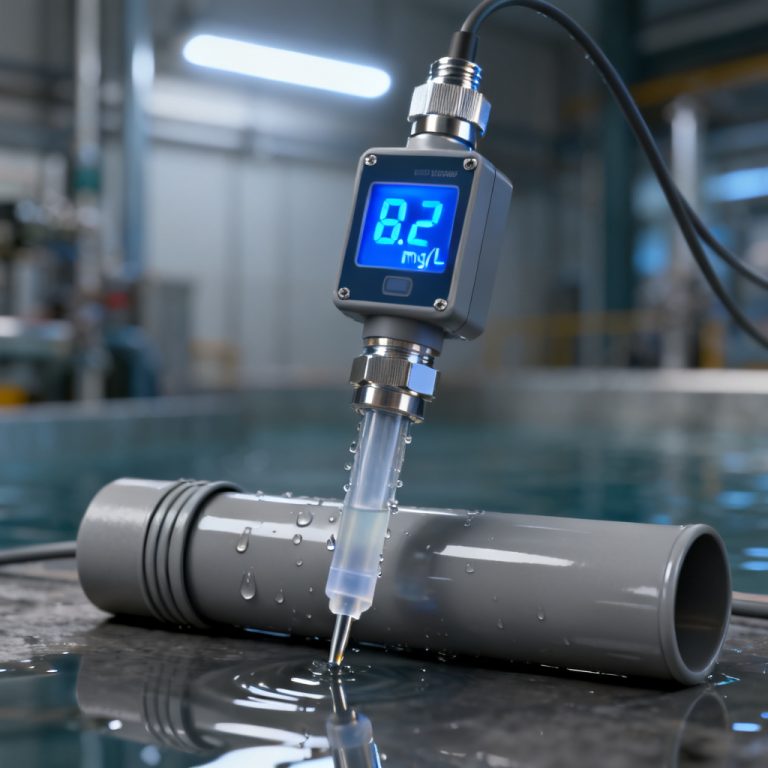
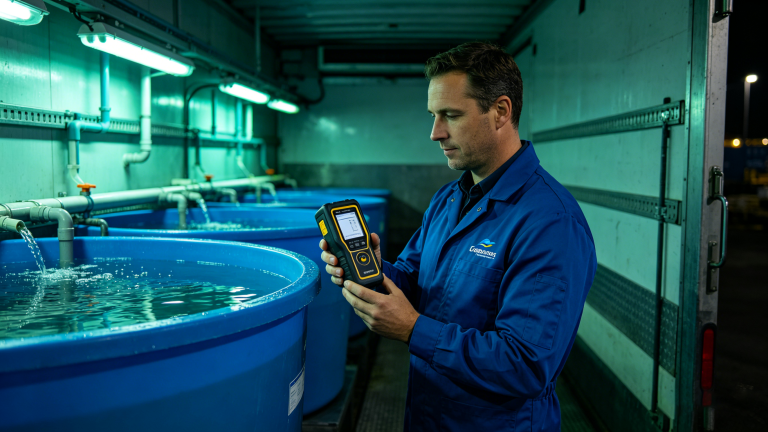
Optical dissolved oxygen sensor with waterproof PCB design installed in a recirculating aquaculture system biofilter for real-time water quality monitoring

RAS biofilter dissolved oxygen

RAS Biofilter Management The Critical Role of Dissolved Oxygen In Recirculating Aquaculture Systems (RAS), proper RAS biofilter dissolved oxygen management is the heart of water quality control and the single most critical variable for nitrification efficiency. Without maintaining adequate DO levels, nitrifying bacteria cannot efficiently convert toxic ammonia into nitrates, leading to catastrophic system crashes…