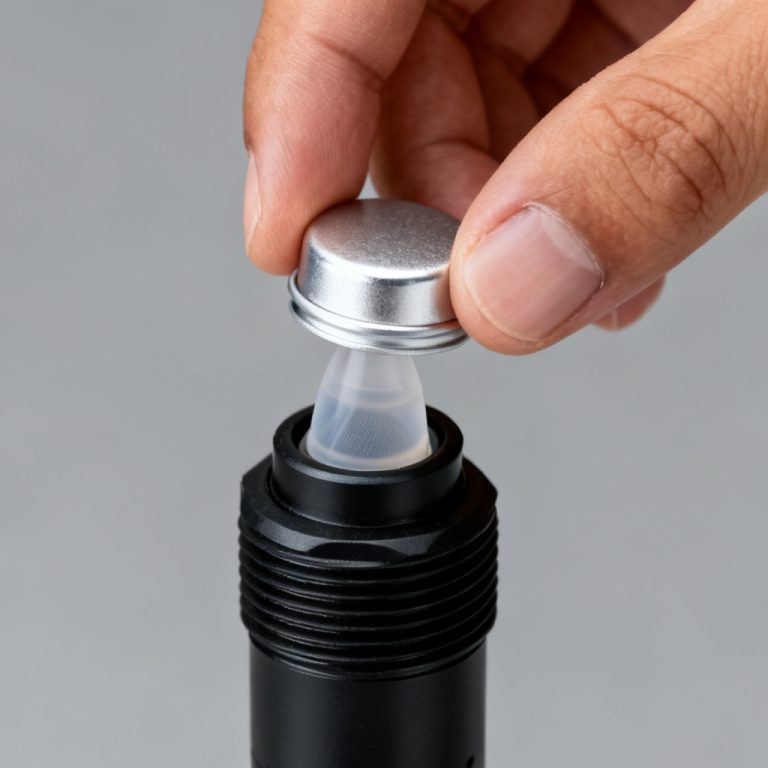
Galvanic vs Polarographic Dissolved Oxygen Sensor
| |

Galvanic vs Polarographic Dissolved Oxygen Sensor Which is Right

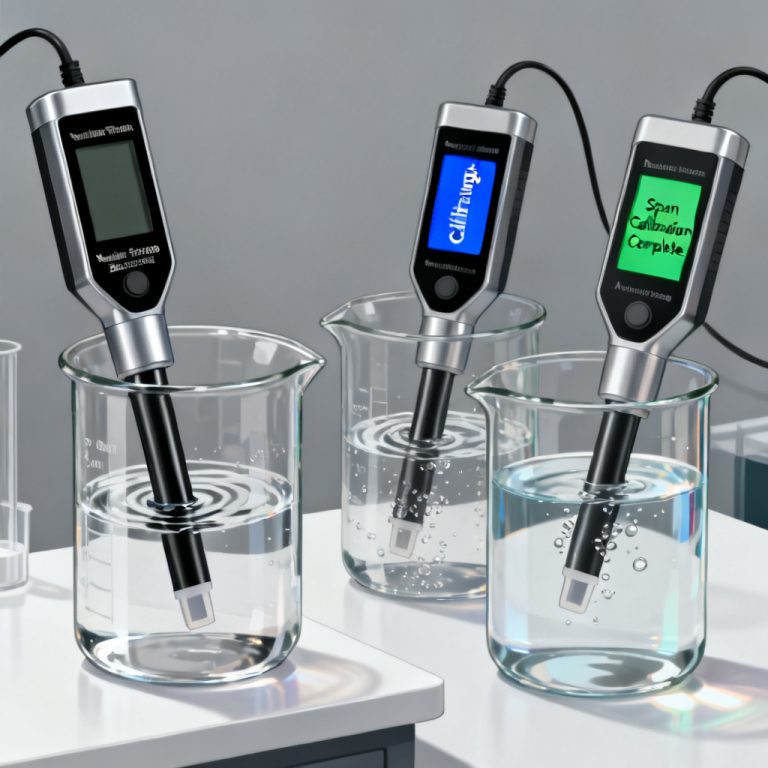
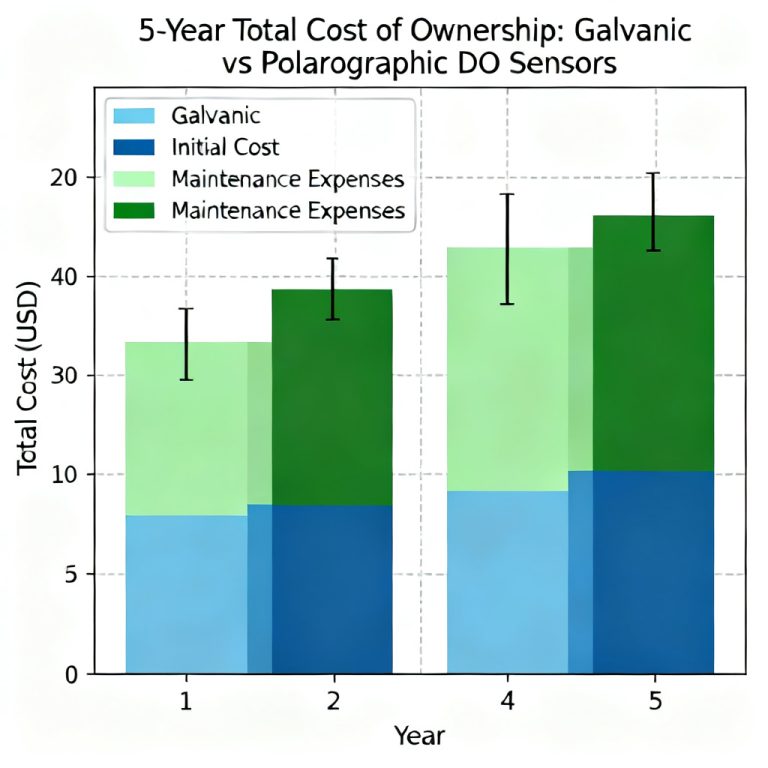
Selecting the right galvanic vs polarographic dissolved oxygen sensor is critical for accurate water quality monitoring in applications like wastewater treatment, aquaculture, and industrial process control. This comprehensive guide compares both electrochemical technologies to help you make an informed purchasing decision for your specific dissolved oxygen sensor requirements. How Galvanic and Polarographic Dissolved Oxygen Sensors…
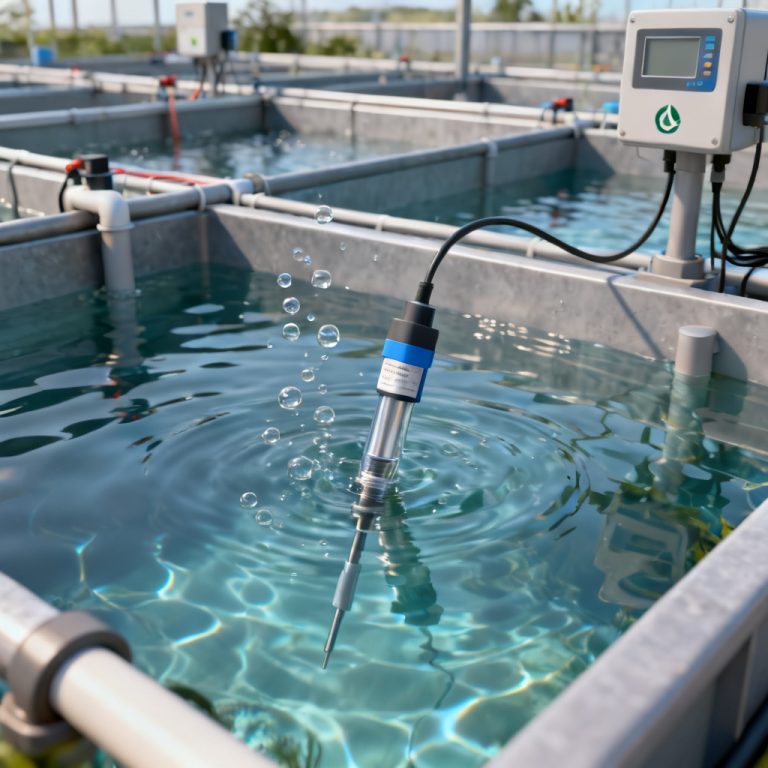
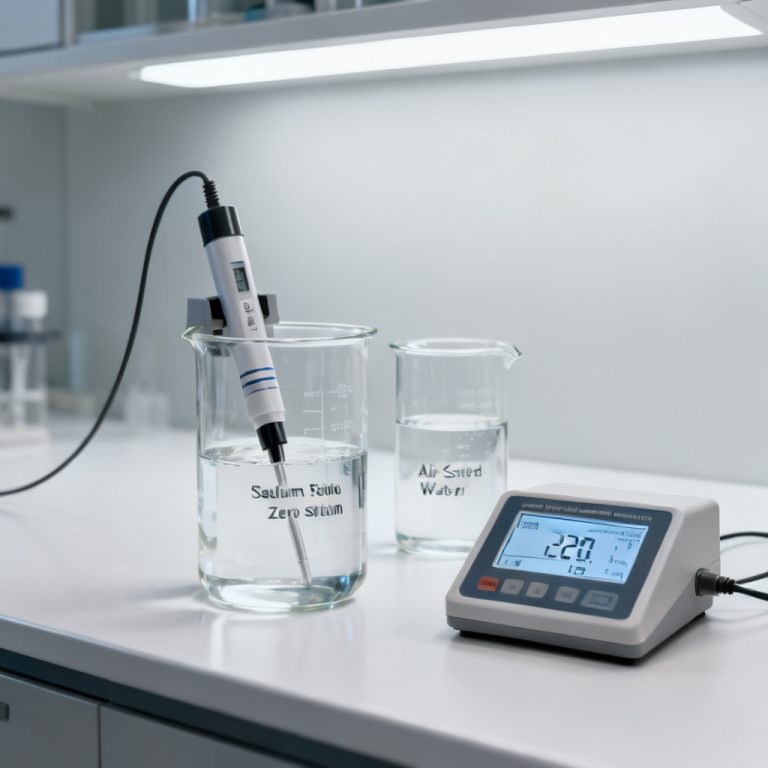
dissolved oxygen monitoring in aquaculture. Compare Galvanic vs. Polarographic sensors: principles, maintenance, lifespan, cost, and ideal applications for shrimp, fish, and RAS systems
|

Electrochemical Dissolved Oxygen Sensor Galvanic vs Polarographic Technology for Aquaculture

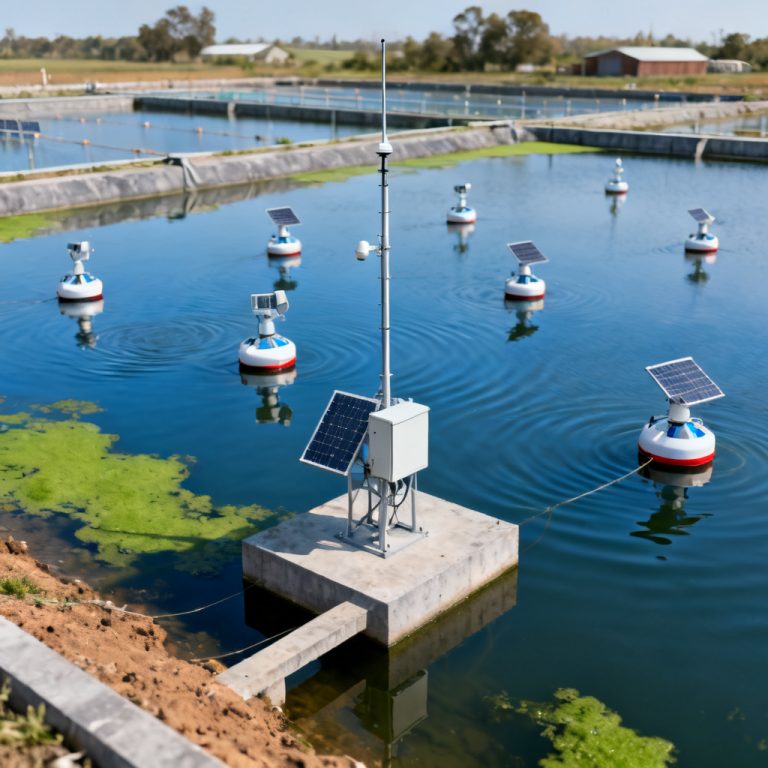
Introduction: The Critical Role of Dissolved Oxygen in Aquaculture In modern aquaculture, dissolved oxygen (DO) concentration is the single most critical water quality parameter. Whether you operate a high-density recirculating aquaculture system (RAS) for shrimp, an extensive pond for tilapia, or a flow-through salmon farm, maintaining optimal DO levels (typically 5–8 mg/L for most species)…

Polarographic Dissolved Oxygen Sensor
|

Polarographic Dissolved Oxygen Sensor Working Principle

The Polarographic Dissolved Oxygen Sensor Working Principle is based on the electrochemical reduction of oxygen at a noble metal cathode, a method first developed by Dr. Leland C. Clark in 1956. This technology remains the gold standard for accurate dissolved oxygen measurement in wastewater treatment, aquaculture, and bioprocessing. 1. Electrochemical Foundation of Polarographic Dissolved Oxygen…

Amperometric Dissolved Oxygen Sensor Explained
|

Amperometric Dissolved Oxygen Sensor Explained

An amperometric dissolved oxygen sensor is an electrochemical device that measures oxygen concentration in water by generating a current proportional to the oxygen reduction reaction. This post provides a comprehensive explanation of how amperometric DO sensors work, their components, applications, advantages, limitations, calibration, maintenance, and comparison with other sensor types. By reading this post: Amperometric…

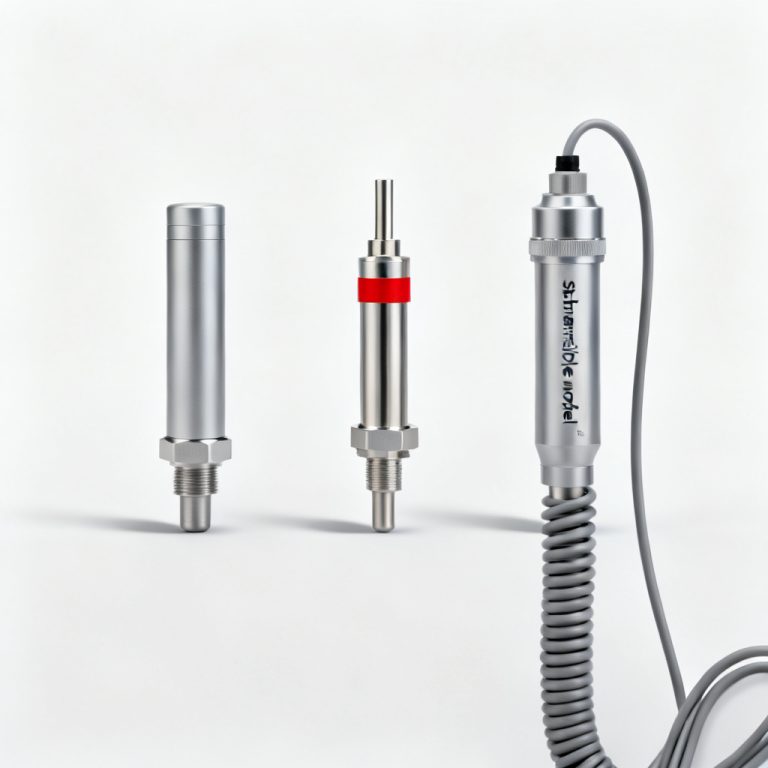
Galvanic DO sensor product family showing self-powered dissolved oxygen sensor probes with no external voltage requirement for wastewater and aquaculture applications
|

Galvanic DO Sensor Self Powered No External Voltage

style code after header 20260423 nosynced Welcome to the definitive guide on the Galvanic DO Sensor Self-Powered No External Voltage. This technology simplifies dissolved oxygen measurement by generating its own electrical signal without requiring any external power. Ideal for remote monitoring, wastewater treatment, and aquaculture, the self-powered galvanic dissolved oxygen sensor offers instant readings and…

Galvanic vs Polarographic Which Lasts Longer
|

Galvanic vs Polarographic Which Lasts Longer

Understanding the Galvanic vs Polarographic DO sensor lifespan is critical for industrial buyers seeking reliable dissolved oxygen monitoring. This comprehensive guide compares both technologies to help you choose the right sensor for your application. 1. Galvanic vs Polarographic DO Sensor: Foundational Principles The Galvanic vs Polarographic DO sensor debate begins with their electrochemical designs. Both…

Electrochemical Dissolved Oxygen Sensor maintenance and membrane replacement for traditional aquaculture shrimp ponds

Electrochemical Dissolved Oxygen Sensor for Traditional Aquaculture

Electrochemical Dissolved Oxygen Sensor – Reliable Technology for Traditional Aquaculture Electrochemical dissolved oxygen (DO) sensors—the Clark-cell galvanic and polarographic probes that have been the workhorses of water quality measurement since Dr. Leland Clark’s invention in 1956—remain widely deployed across global aquaculture. While optical fluorescence sensors have gained market share in intensive RAS and long-term monitoring…