Aquaculture Monitoring Solution by SensorMass
The global aquaculture industry is facing significant pressure to balance productivity, environmental sustainability, and operational efficiency. From large-scale fish farms to oyster beds and mussel farms, the health of aquatic organisms and the financial viability of operations are directly tied to the stability of their growing environment. Traditional aquaculture management relies heavily on manual inspections and experience-driven decisions; this often leads to delayed responses to environmental changes, resulting in increased fish disease, mortality, and inefficient resource utilization.
SensorMass’s Aquaculture Monitoring System Aquaculture Water Quality Sensors addresses these challenges by integrating sensor technology, real-time data transmission, and intelligent analysis. This all-in-one system transforms aquaculture management through continuous online monitoring of critical environmental parameters, providing farmers and managers with 24/7 visibility into their operations. By turning raw data into practical decision-making references, our solution enables proactive decision-making, optimizes growth conditions, minimizes risks, and ultimately enhances the sustainability and profitability of aquaculture businesses worldwide.
What Data is Included in Aquaculture Monitoring?
Aquaculture monitoring encompasses a suite of parameters tailored to the unique characteristics of freshwater and marine environments. These data points are categorized by their direct impact on aquatic life health, water quality, and operational management—delivering full environmental monitoring coverage.
Water Quality Core Parameters
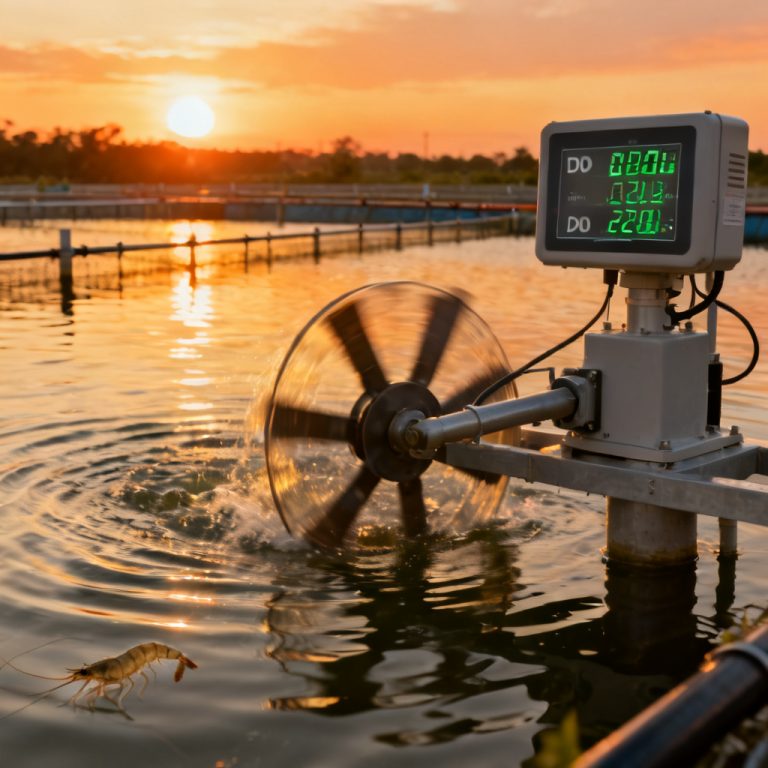
Dissolved Oxygen (DO): The most critical parameter for aquatic respiration. Low DO levels stress fish, reduce feeding efficiency, and increase mortality risk. Continuous monitoring ensures timely aeration adjustments to maintain optimal levels (5-9 mg/L for most species).
pH Value: Influences nutrient availability, toxin toxicity, and biological enzyme activity. Freshwater systems typically require a pH of 6.5-8.5; marine environments need 7.8-8.5. Deviations can inhibit growth and induce disease.
Ammonia (NH3): A toxic byproduct of fish excretion and feed decomposition. Elevated levels cause gill damage and immune suppression. Monitoring prevents acute toxicity events and guides feeding adjustments.
Water Physical State Parameters ? Water Physical State Parameters”)
Temperature: Regulates metabolic rates, reproduction cycles, and disease susceptibility. Different species have specific optimal ranges (e.g., 20-28°C for tilapia, 10-18°C for salmon). Real-time monitoring facilitates heating/cooling system control.
Turbidity: Indicates water clarity and suspended solid levels. High turbidity blocks light penetration (critical for algae photosynthesis) and clogs fish gills. In shellfish farms, it directly affects feeding efficiency.
Salinity: Exclusive to marine aquaculture (e.g., oyster, shrimp farms). Maintaining stable salinity (typically 20-35 ppt) ensures osmotic balance. Sudden changes from rainfall or freshwater inflow cause severe stress.
Conductivity: Reflects water ion concentration, correlating with salinity and nutrient levels. Serves as a complementary indicator for water quality stability.
Environmental Correlation Parameters
Secondary parameters indirectly impact aquaculture systems, such as atmospheric temperature, rainfall, and wind speed. These data help predict water quality changes (e.g., heavy rainfall lowering salinity in coastal farms) and optimize facility protection measures.
Core Monitoring Data Categories
- Freshwater Aquaculture (e.g., fish ponds, crayfish farms) ? Freshwater Aquaculture (e.g., fish ponds, crayfish farms)”)
- Prioritizes DO, temperature, pH, and ammonia monitoring to address high stocking densities and feed-related pollution risks.
- Marine Aquaculture (e.g., net cages, shellfish beds) ? Marine Aquaculture (e.g., net cages, shellfish beds)”)
- Adds salinity and conductivity monitoring to adapt to tidal and coastal environmental fluctuations. Turbidity is critical for filter-feeding species survival.
Components of SensorMass’s Aquaculture Monitoring System
SensorMass provides a complete set of hydrological equipment and customized solutions to support the operation of hydrological station and hydrometeorological station, tailored to different application scenarios.
Water Quality Monitoring Terminal
Water Quality Monitoring Terminal”)
The frontline data collection unit uses high-precision sensors tailored to aquaculture scenarios. Key components include:
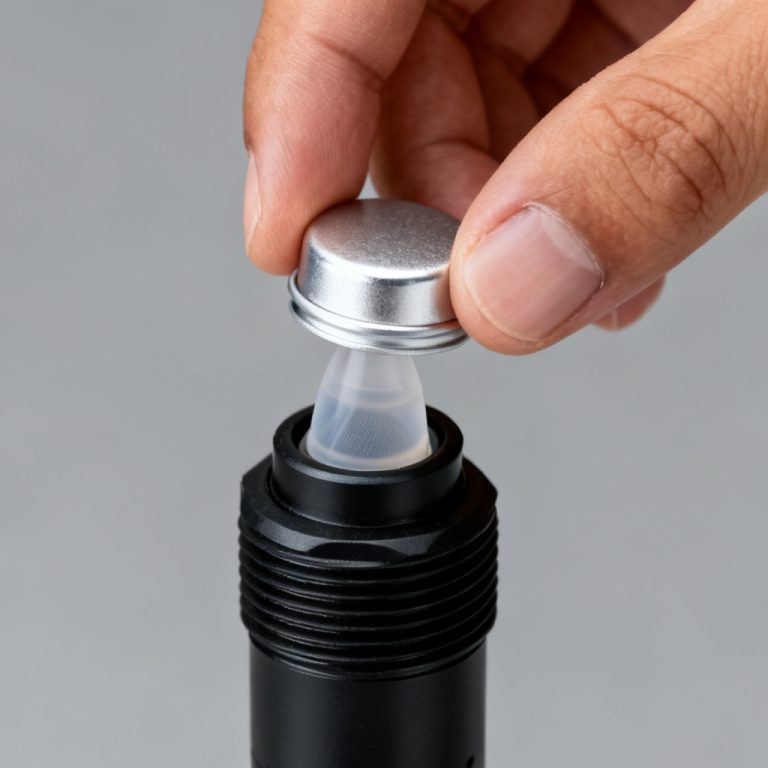
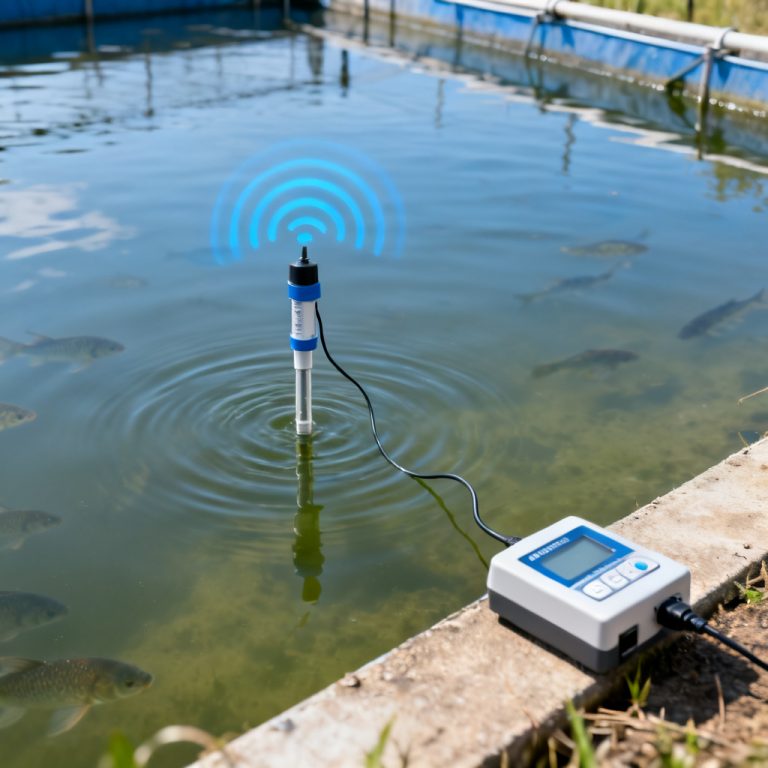
Specialized sensors for DO, pH, temperature, turbidity, salinity, ammonia ion, and conductivity; Waterproof and corrosion-resistant enclosures (IP68-rated for marine applications);
Wireless Communication Module
Wireless Communication Module
- The module enables real-time data transmission between terminals and the management platform, supporting multiple communication protocols:e communication protocols:
- 4G/NB-IoT for remote farms with limited infrastructure;
- LoRaWAN for large-scale ponds with extended coverage (up to 3km);
- Ethernet for factory aquaculture with stable network access.
Aquaculture Management Platform
Aquaculture Management Platform
- The intelligent core of the solution, offering core data processing and management functions:
- Real-time dashboard displaying key parameters;
- Automated alert system (via email) for parameter deviations;
- Historical data analysis and trend visualization (supports daily, weekly, and monthly reports);
- Multi-device access (PC, smartphone, tablet) for on-the-go management.
Video Surveillance Integration
Optional module that synchronizes video feeds with sensor data, enabling visual verification of aquatic behavior (e.g., fish surfacing due to low DO) and facility security monitoring.
Aquaculture Station/Equipment from SensorMass
SensorMass provides end-to-end equipment supply and scenario-specific solutions, backed by industry-leading quality and service. Our offerings are designed to meet the diverse needs of small-scale ponds, large commercial farms, and high-tech factory aquaculture.
Scenario-Tailored Solutions
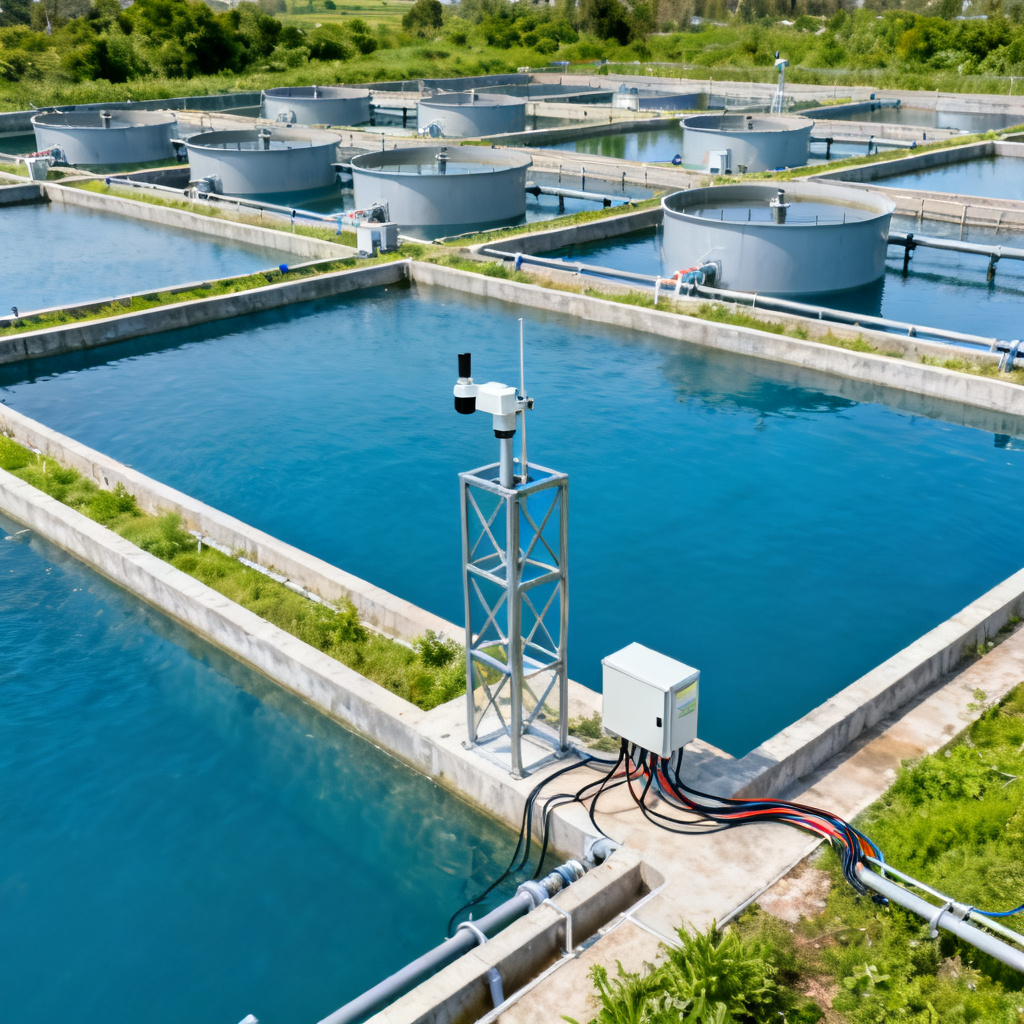
- For freshwater ponds housing species like carp and tilapia, we offer submersible sensor probes, floating stations, and LoRa communicators, featuring low power consumption with an optional solar-powered design and easy deployment that requires no modifications to existing ponds.
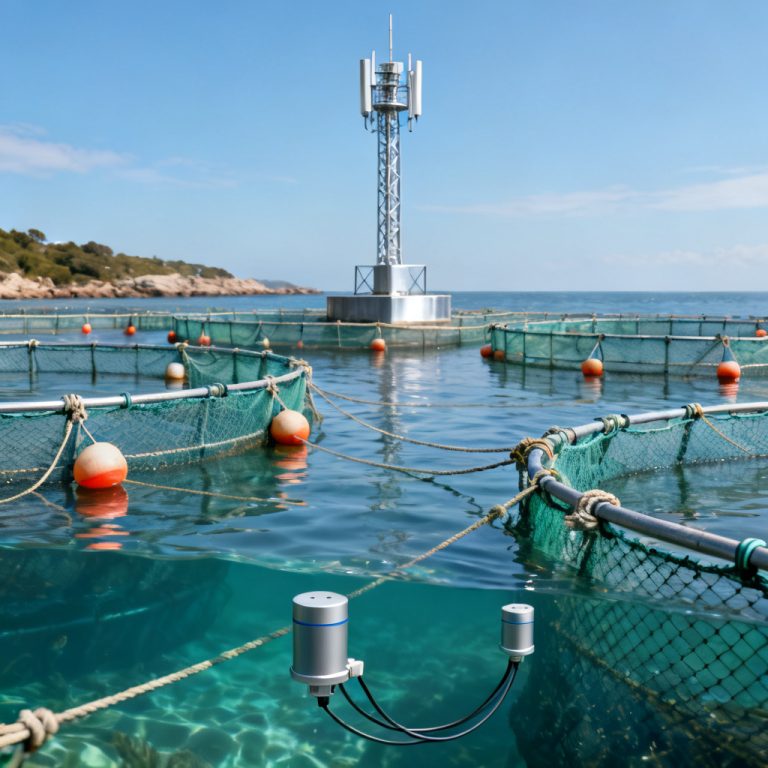
- For marine net cages raising salmon, sea bass, and other saltwater species, our corrosion-resistant sensor arrays, 4G communication terminals, and buoy stations.
- For factory aquaculture of shrimp, abalone, and similar high-value species, we provide multi-parameter sensors, wired communication systems, and integrated control solutions, with a high sampling frequency of 1 sample per second and seamless integration with aeration and feeding equipment to support intensive farming operations.
- For shellfish beds cultivating oysters, mussels, and other filter-feeding organisms, our turbidity-salinity combined sensors and long-range LoRa stations offer shallow water adaptation.
Product Advantages
- Industry-Proven Durability: All equipment undergoes rigorous corrosion resistance and waterproof testing.
- High Measurement Precision: Offers reliable accuracy for critical metrics, meeting international aquaculture quality requirements.
- Innovative Technology Integration: Our R&D team continuously optimizes product functions based on market demands, incorporating adaptive calibration and anti-fouling technologies to reduce maintenance frequency.