
Similar Posts
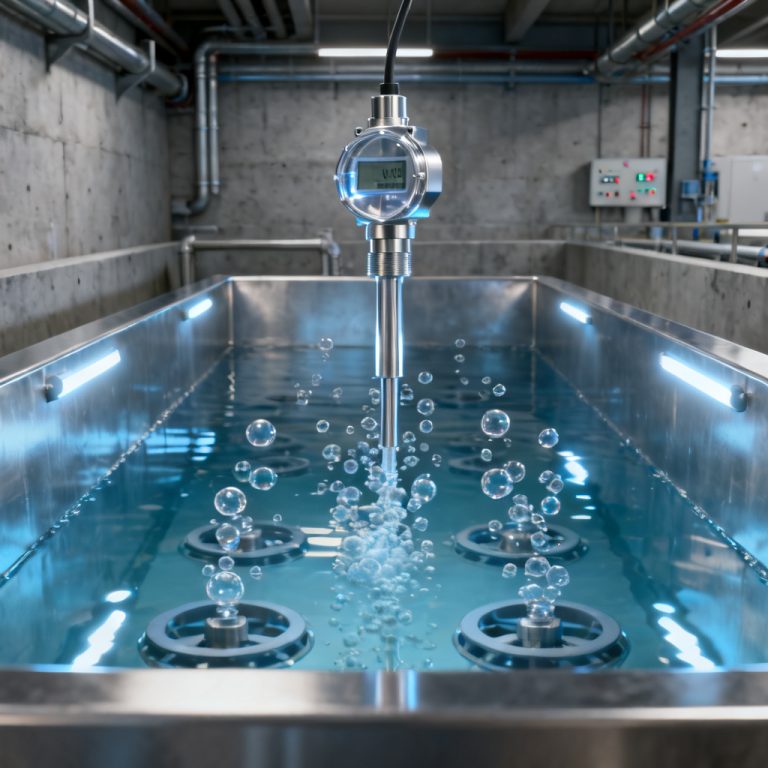
Dissolved Oxygen Sensor 4-20mA for Aeration Control
A Dissolved Oxygen Sensor 4-20mA for Aeration Control is the industry-standard tool for real-time monitoring and automation in wastewater treatment, aquaculture, and industrial process control. This comprehensive guide covers sensor fundamentals, selection criteria, installation best practices, and advanced aeration control strategies to optimize your system. Types of Dissolved Oxygen Sensor 4-20mA: Optical vs. Electrochemical Understanding…
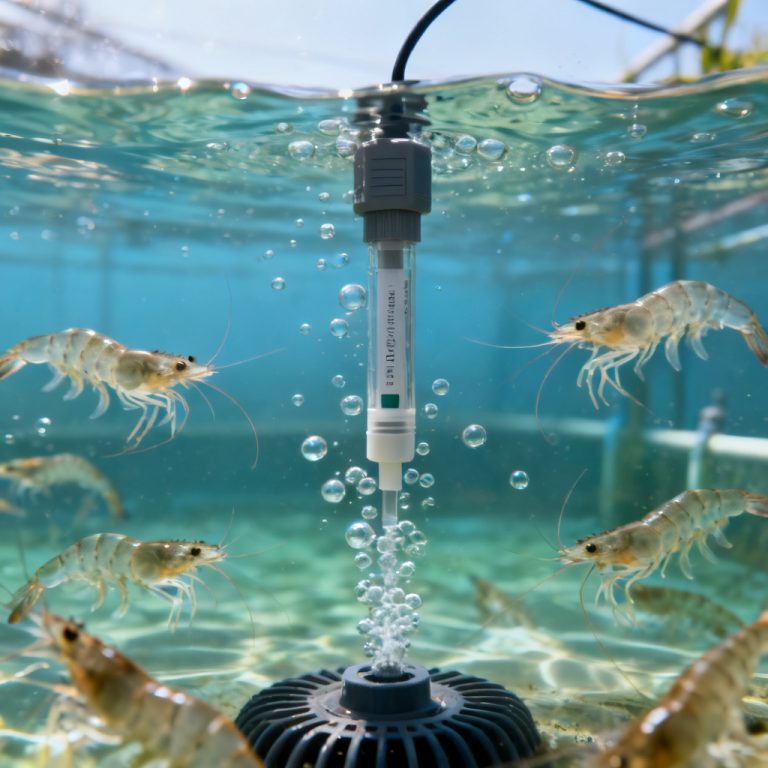
Top 10 DO Sensor Installation Mistakes and How to Avoid Them
Knowing Top 10 DO Sensor Installation Mistakes and How to Avoid Them are important to avoid inaccurate water quality data in industries from wastewater treatment to aquaculture. Even advanced sensors fail without proper setup. This pillar content synthesizes expertise from YSI, Hach, and Emerson to reveal the top 10 DO sensor installation errors and…
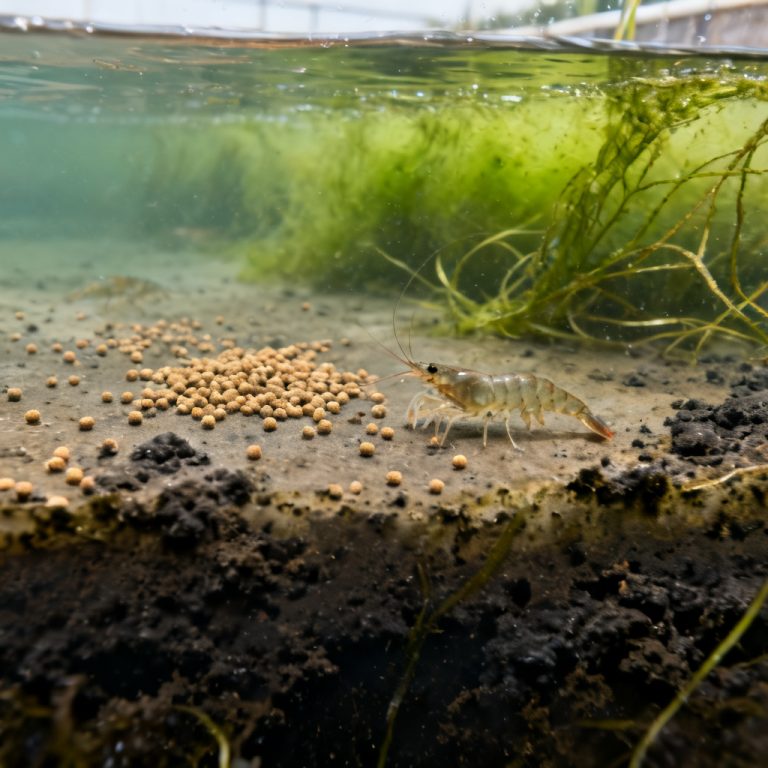
Optical vs Electrochemical DO Sensors for Aquaculture
Optical vs. Electrochemical DO Sensors for Aquaculture: Which One Delivers Better ROI? For a shrimp or fish farm manager, the question is not just “which sensor is more accurate in a laboratory,” but: Which technology delivers a better return on investment (ROI) when deployed continuously in warm, nutrient-rich, biofouling-prone aquaculture ponds? This page answers that question…
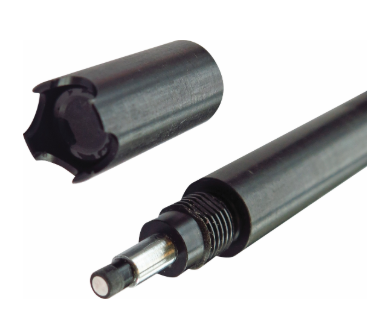
Ecosense DO200A Dissolved Oxygen Meter
Ecosense DO200A: Key Specifications & Features The Ecosense DO200A dissolved oxygen meter is YSI’s workhorse handheld instrument, designed for professionals who need fast, EPA-compliant DO measurements without the premium price tag of optical systems. Here are the specifications that matter most: Specification Value Measurement Principle Steady-state polarographic (PE membrane) DO Range (% Saturation) 0 –…
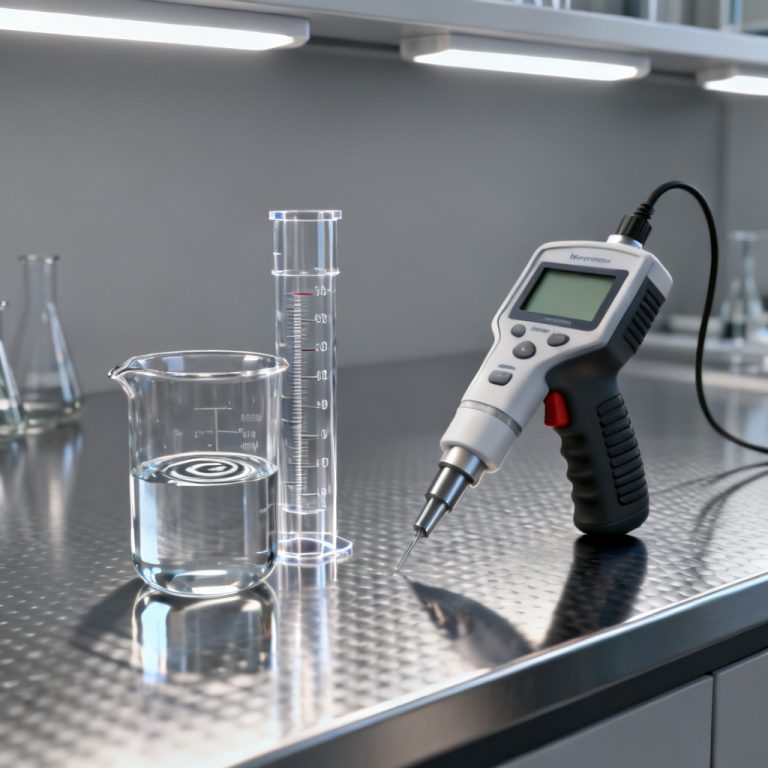
Optical DO Sensor Calibration Step by Step Guide
Accurate Optical DO Sensor Calibration is essential for reliable dissolved oxygen measurement in environmental monitoring, wastewater treatment, aquaculture, and industrial process control. Optical DO sensors, based on luminescence quenching technology, offer superior stability and low maintenance compared to traditional Clark-type electrodes. However, even the most advanced optical sensors require periodic calibration to maintain precision and…
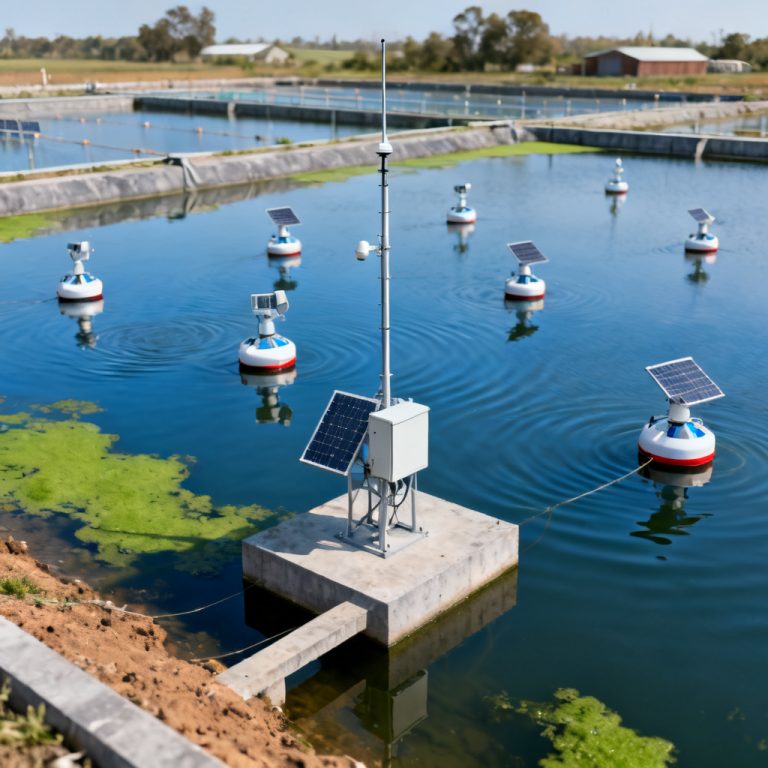
Electrochemical Dissolved Oxygen Sensor for Traditional Aquaculture
Electrochemical Dissolved Oxygen Sensor – Reliable Technology for Traditional Aquaculture Electrochemical dissolved oxygen (DO) sensors—the Clark-cell galvanic and polarographic probes that have been the workhorses of water quality measurement since Dr. Leland Clark’s invention in 1956—remain widely deployed across global aquaculture. While optical fluorescence sensors have gained market share in intensive RAS and long-term monitoring…