Amperometric Dissolved Oxygen Sensor Explained
|

Amperometric Dissolved Oxygen Sensor Explained

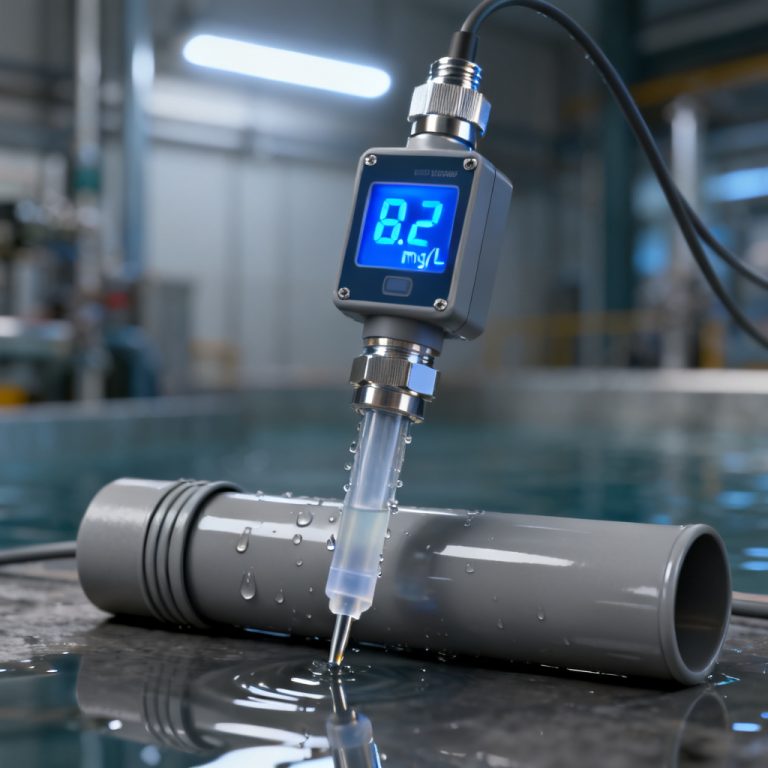
An amperometric dissolved oxygen sensor is an electrochemical device that measures oxygen concentration in water by generating a current proportional to the oxygen reduction reaction. This post provides a comprehensive explanation of how amperometric DO sensors work, their components, applications, advantages, limitations, calibration, maintenance, and comparison with other sensor types. By reading this post: Amperometric…
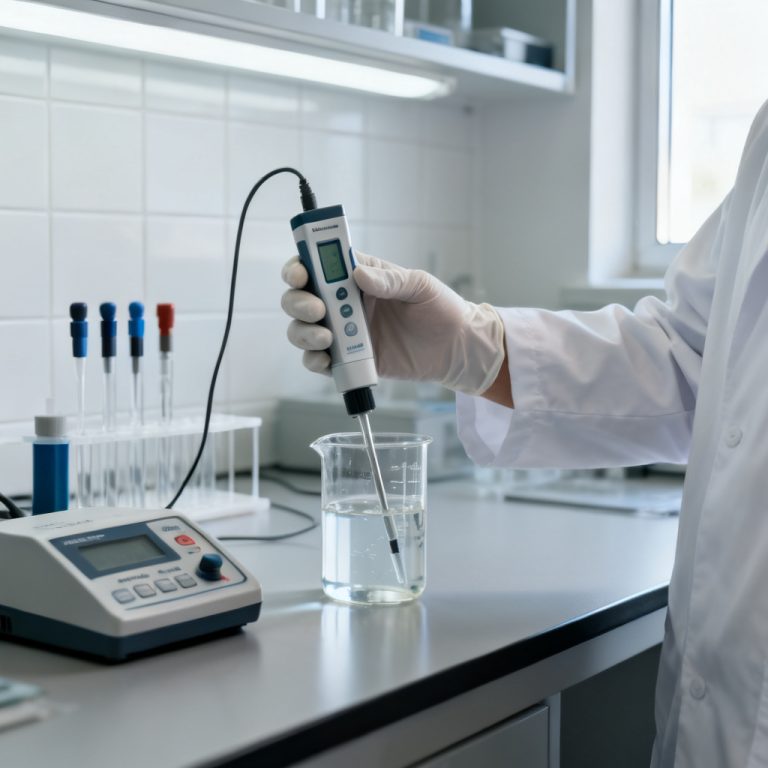
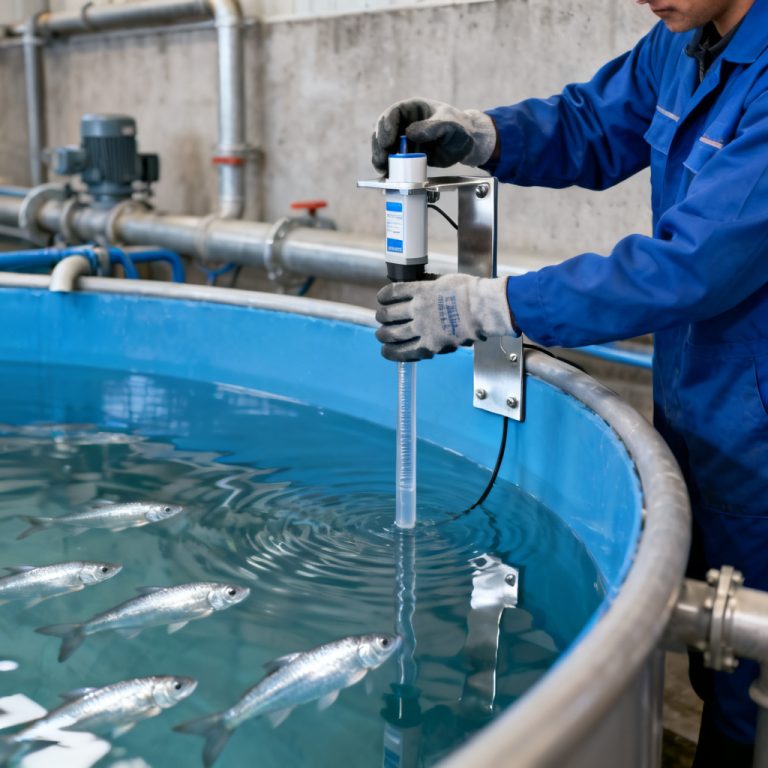
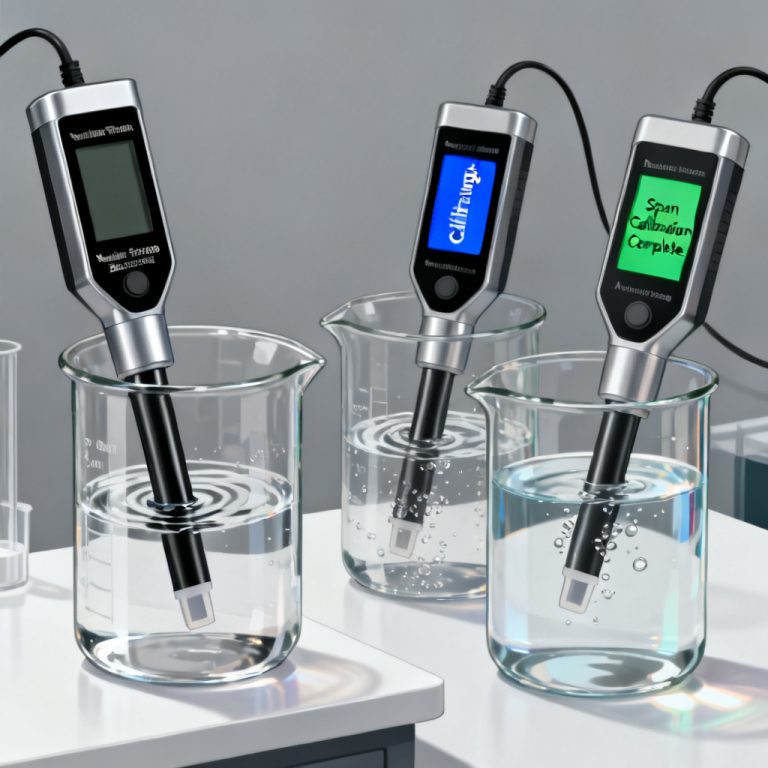
Electrochemical DO sensor calibration setup showing dissolved oxygen probe with calibration equipment and two-point calibration protocol preparation
|

How Often to Calibrate an Electrochemical DO Sensor

How Often to Calibrate an Electrochemical DO Sensor? Understanding the correct electrochemical DO sensor calibration frequency is essential for accurate dissolved oxygen measurement in aquaculture, wastewater treatment, and industrial processes. This pillar content synthesizes expert recommendations from YSI, Hach, and Atlas Scientific to provide a definitive calibration schedule. Factors Affecting Electrochemical DO Sensor Calibration Frequency…

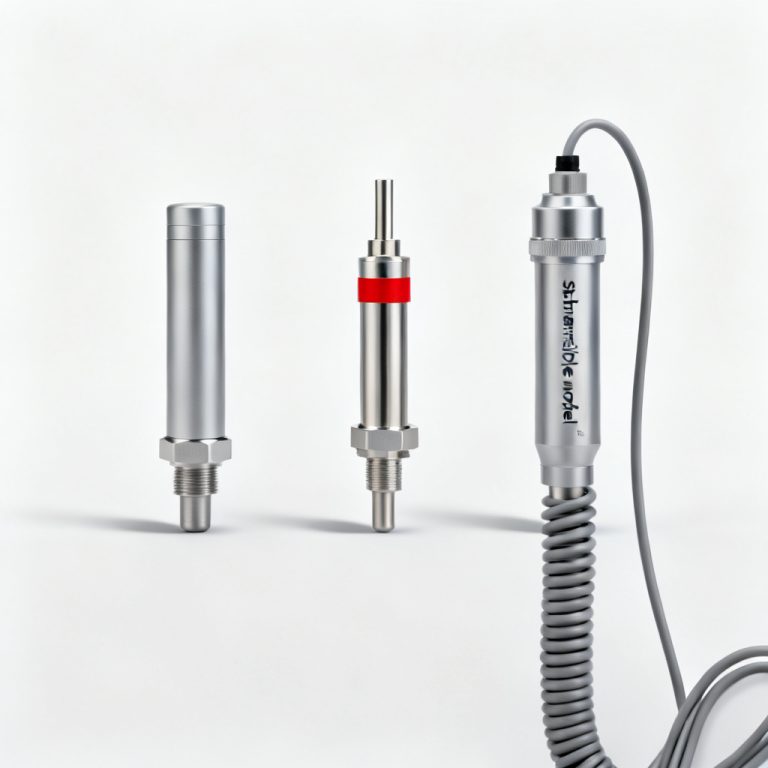
Galvanic DO sensor product family showing self-powered dissolved oxygen sensor probes with no external voltage requirement for wastewater and aquaculture applications
|

Galvanic DO Sensor Self Powered No External Voltage

style code after header 20260423 nosynced Welcome to the definitive guide on the Galvanic DO Sensor Self-Powered No External Voltage. This technology simplifies dissolved oxygen measurement by generating its own electrical signal without requiring any external power. Ideal for remote monitoring, wastewater treatment, and aquaculture, the self-powered galvanic dissolved oxygen sensor offers instant readings and…

Electrochemical DO sensor membrane replacement showing step-by-step process for replacing worn membrane on dissolved oxygen sensor probe
|

Signs Your Electrochemical DO Sensor Needs a New Membrane

style code after header 20260423 nosynced Recognizing the early signs your electrochemical DO sensor needs a new membrane is critical for maintaining accurate dissolved oxygen readings. In B2B operations—from wastewater treatment to pharmaceutical fermentation—a failing membrane leads to costly process upsets and compliance risks. This guide consolidates expert insights from YSI, Hach, and Mettler Toledo…

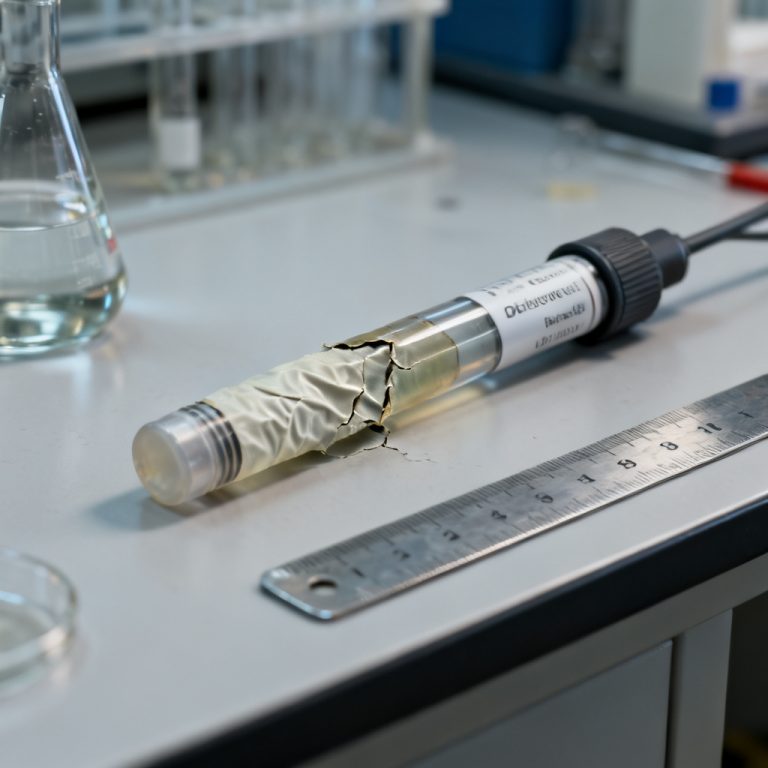
Electrochemical DO Sensor Calibration Process showing membrane replacement and electrolyte refill steps for dissolved oxygen sensor maintenance
|

Electrochemical DO Sensor Hidden Costs Membranes Electrolyte Calibration

Electrochemical DO sensor hidden costs significantly impact total ownership, often surpassing the initial purchase price. These expenses stem from three critical components: membranes, electrolyte solutions, and calibration procedures. Understanding these hidden costs is vital for optimizing operational budgets, extending sensor lifespan, and ensuring consistent data quality in water quality monitoring, aquaculture, wastewater treatment, and environmental…

Electrolyte Solution for DO Sensors When to Refill
|

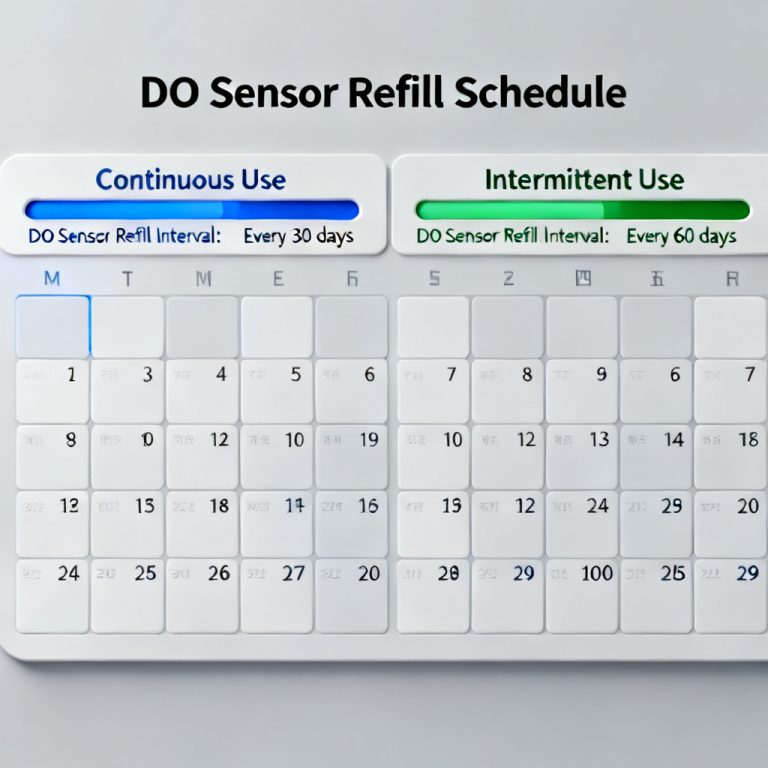
Electrolyte Solution for DO Sensors When to Refill

Understanding the electrolyte solution for DO sensors is critical for accurate dissolved oxygen measurement. This guide explains the science, signs of depletion, refill timing, and step-by-step maintenance to ensure your dissolved oxygen sensor delivers reliable performance in aquaculture, wastewater, and industrial applications. How Electrolyte Solution for DO Sensors Works The Electrochemical Principle In polarographic and…

Galvanic vs Polarographic Which Lasts Longer
|

Galvanic vs Polarographic Which Lasts Longer

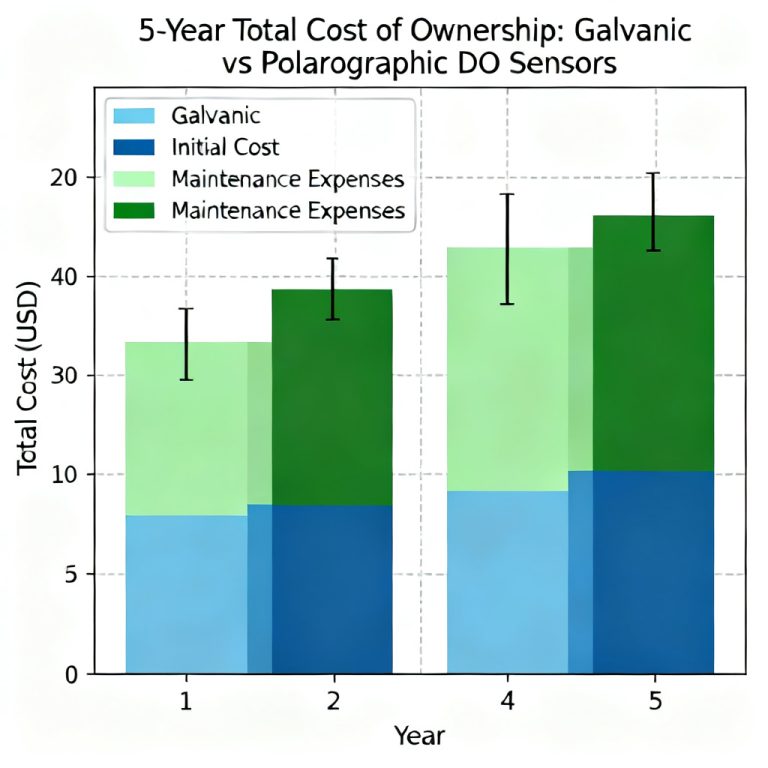
Understanding the Galvanic vs Polarographic DO sensor lifespan is critical for industrial buyers seeking reliable dissolved oxygen monitoring. This comprehensive guide compares both technologies to help you choose the right sensor for your application. 1. Galvanic vs Polarographic DO Sensor: Foundational Principles The Galvanic vs Polarographic DO sensor debate begins with their electrochemical designs. Both…

Aquaculture Water Quality Sensors

Aquaculture Monitoring System Aquaculture Water Quality Sensors

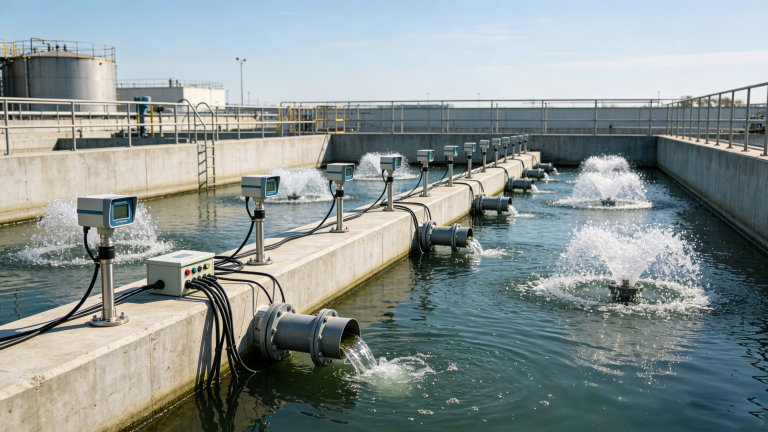
Aquaculture Monitoring Solution by SensorMass The global aquaculture industry is facing significant pressure to balance productivity, environmental sustainability, and operational efficiency. From large-scale fish farms to oyster beds and mussel farms, the health of aquatic organisms and the financial viability of operations are directly tied to the stability of their growing environment. Traditional aquaculture management…

Sensirion Navigation and Footer
|

Top 10 Weather Instruments to Track the Elements

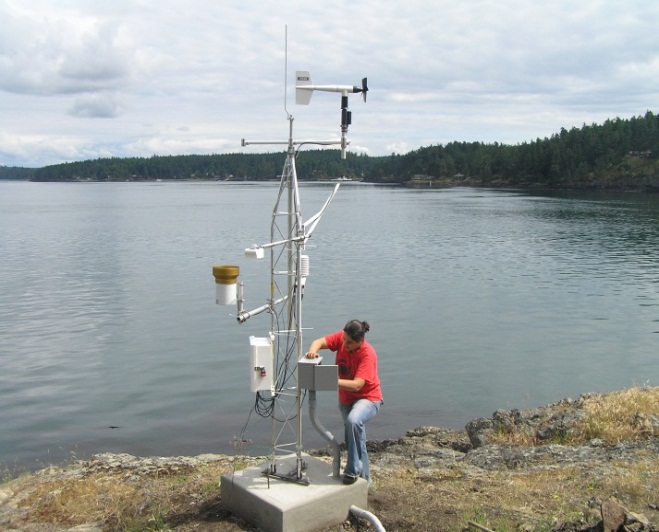
ICP Sensor Introduction to Weather Instruments Weather instruments have always played a vital role in tracking and recording atmospheric conditions. From ancient wind vanes to modern high-tech weather stations, these instruments have been pivotal in helping humans understand and predict weather patterns. In today’s advanced world, a plethora of weather instruments are available, each serving…

Optical DO Sensors vs Electrochemical Technical Comparison

Optical DO Sensors vs Electrochemical Technical Comparison for RAS Engineers

  Optical DO Sensors vs. Electrochemical: Technical Comparison for RAS Engineers In Recirculating Aquaculture Systems (RAS), dissolved oxygen is the most critical water quality parameter. This Optical DO Sensors vs Electrochemical Technical Comparison for RAS Engineers provides a deep, unbiased analysis of both technologies based on their core principles, performance in RAS conditions, maintenance burdens,…

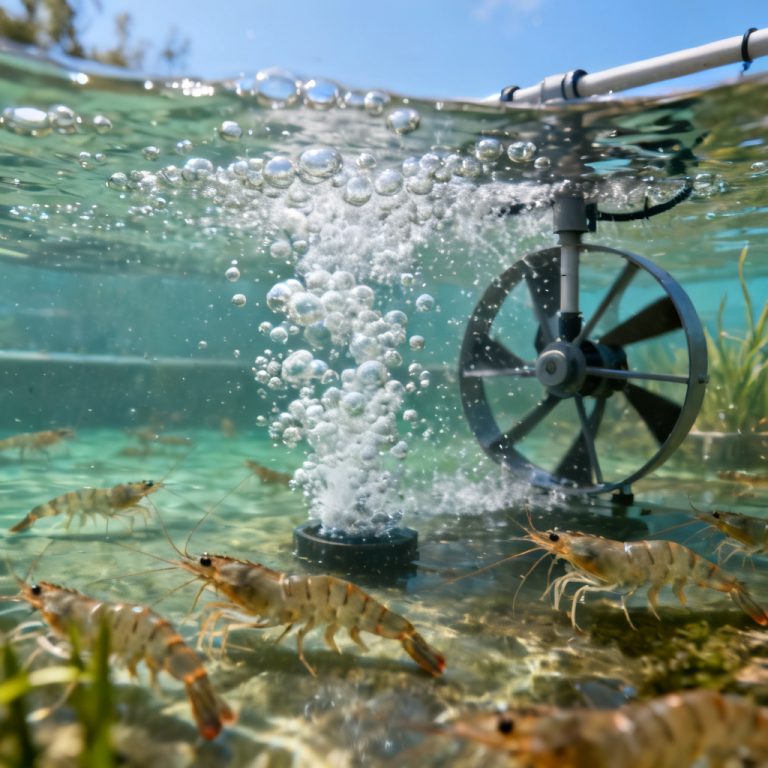
Monitoring shrimp farming DO requirements using digital dissolved oxygen sensors in intensive shrimp ponds

Shrimp Farming DO Requirements

Shrimp Farming DO Requirements: Complete Technical Guide Understanding shrimp farming DO requirements is the cornerstone of successful aquaculture. This complete technical guide covers critical thresholds, monitoring, and management for optimal shrimp health and yield. 1. Critical Shrimp Farming DO Requirements: Thresholds and Ranges 1.1 Optimal DO Range for Shrimp Growth Shrimp farming DO requirements dictate…

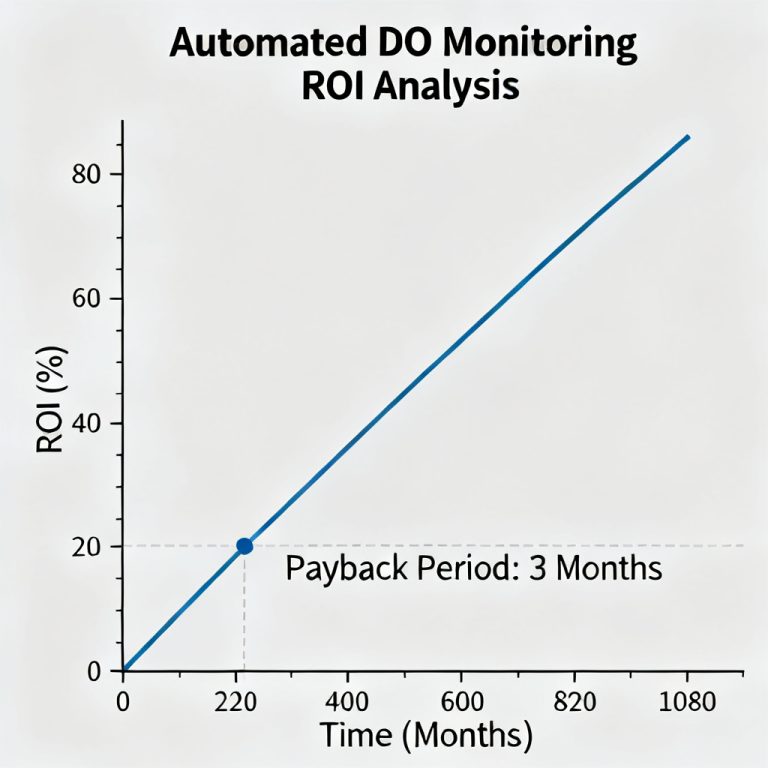
How to Calculate ROI of Automated DO Monitoring for Your Fish Farm manual for intensive tilapia and shrimp ponds in Thailand and Vietnam

How to Calculate ROI of Automated DO Monitoring for Your Fish Farm

How to Calculate ROI of Automated DO Monitoring for Your Fish Farm To calculate ROI of automated DO monitoring for your fish farm, you must first understand the total investment and the quantifiable benefits. This guide provides a proven framework to evaluate costs, savings, and profitability, helping you make a data-driven decision for your aquaculture…