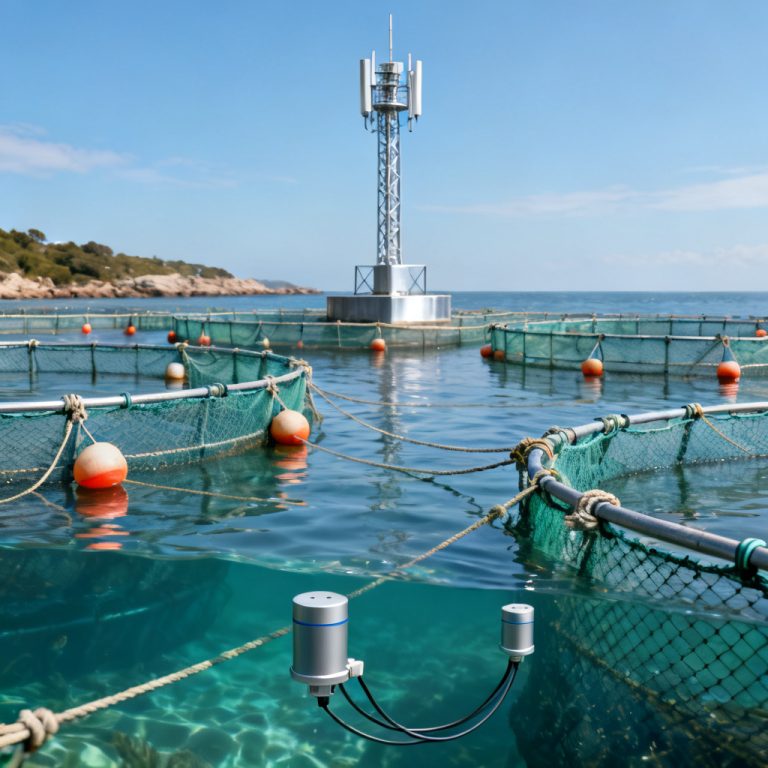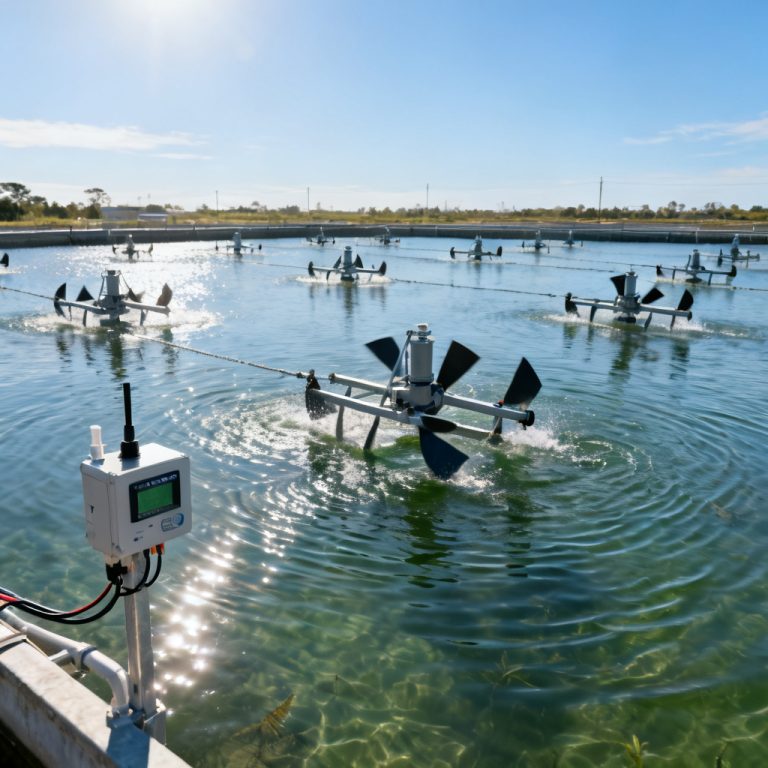
Understanding the electrolyte solution for DO sensors is critical for accurate dissolved oxygen measurement. This guide explains the science, signs of depletion, refill timing, and step-by-step maintenance to ensure your dissolved oxygen sensor delivers reliable performance in aquaculture, wastewater, and industrial applications.
How Electrolyte Solution for DO Sensors Works
The Electrochemical Principle
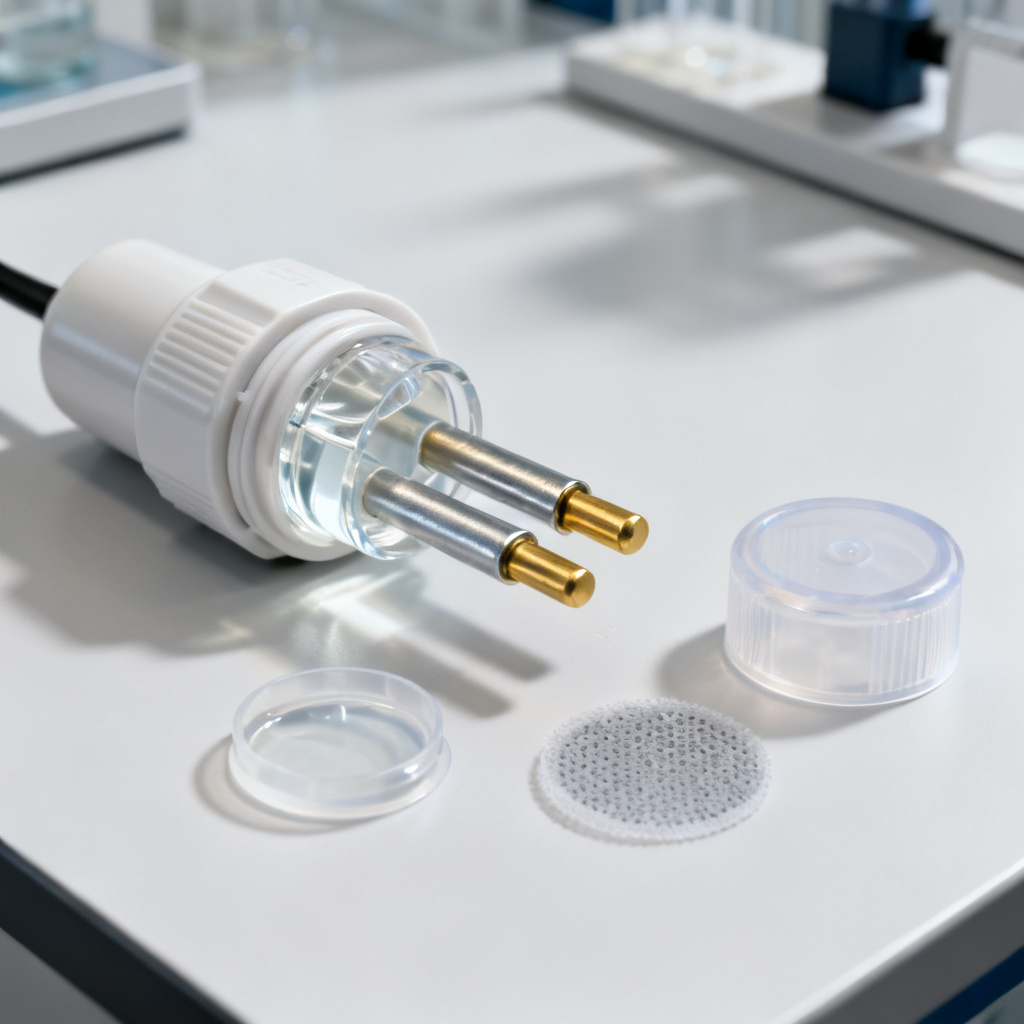
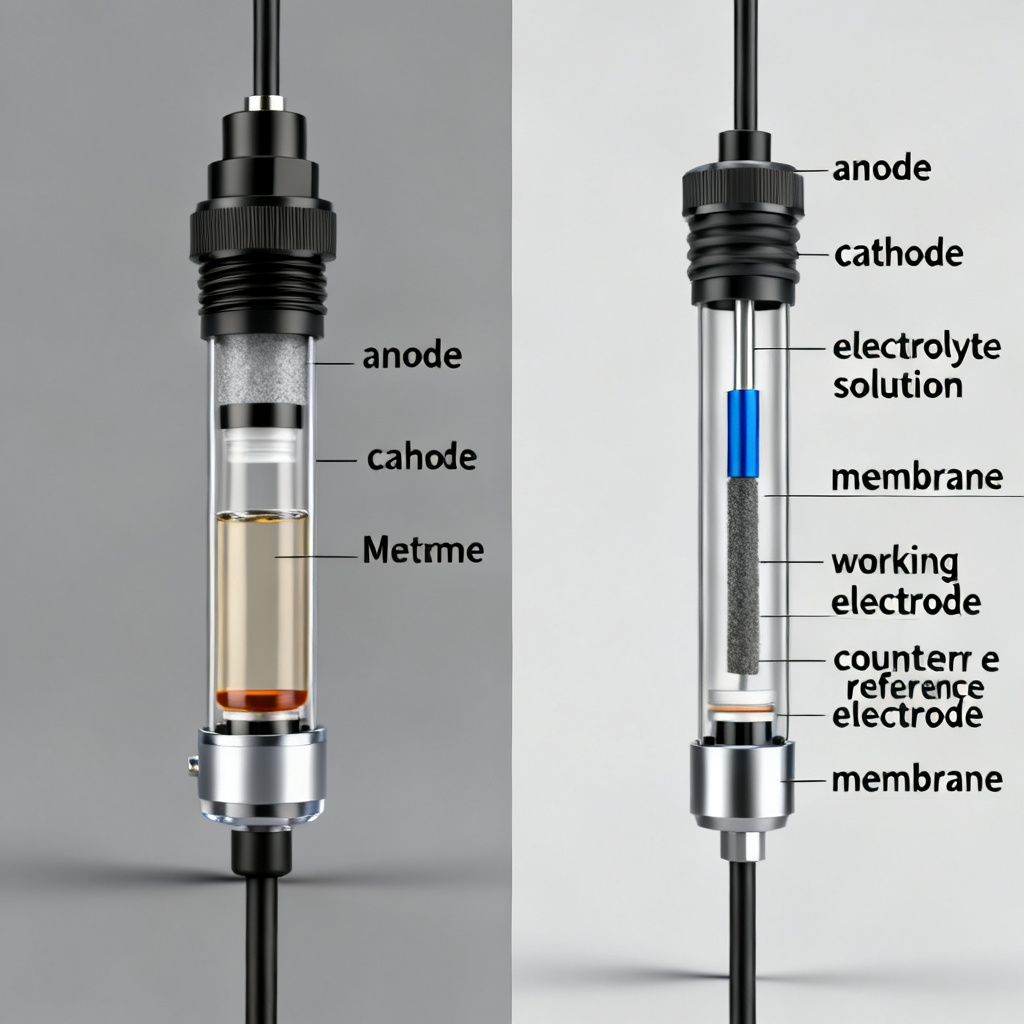
In polarographic and galvanic DO sensors, the electrolyte solution for DO sensors acts as the ionic bridge between the anode (silver or lead) and cathode (gold or platinum). Oxygen molecules diffusing through a gas-permeable membrane are reduced at the cathode, producing a current. Key functions of the electrolyte include:
- Conductivity: Provides free ions (e.g., potassium chloride or sodium hydroxide) that facilitate the reduction reaction.
- pH Stability: Buffers the internal environment, preventing pH shifts that could corrode electrodes or alter reaction kinetics.
- Electrode Protection: Prevents direct contact between the membrane and electrode surfaces, reducing fouling and extending sensor life.
Common Electrolyte Types
Most DO sensors use one of two electrolyte formulations:
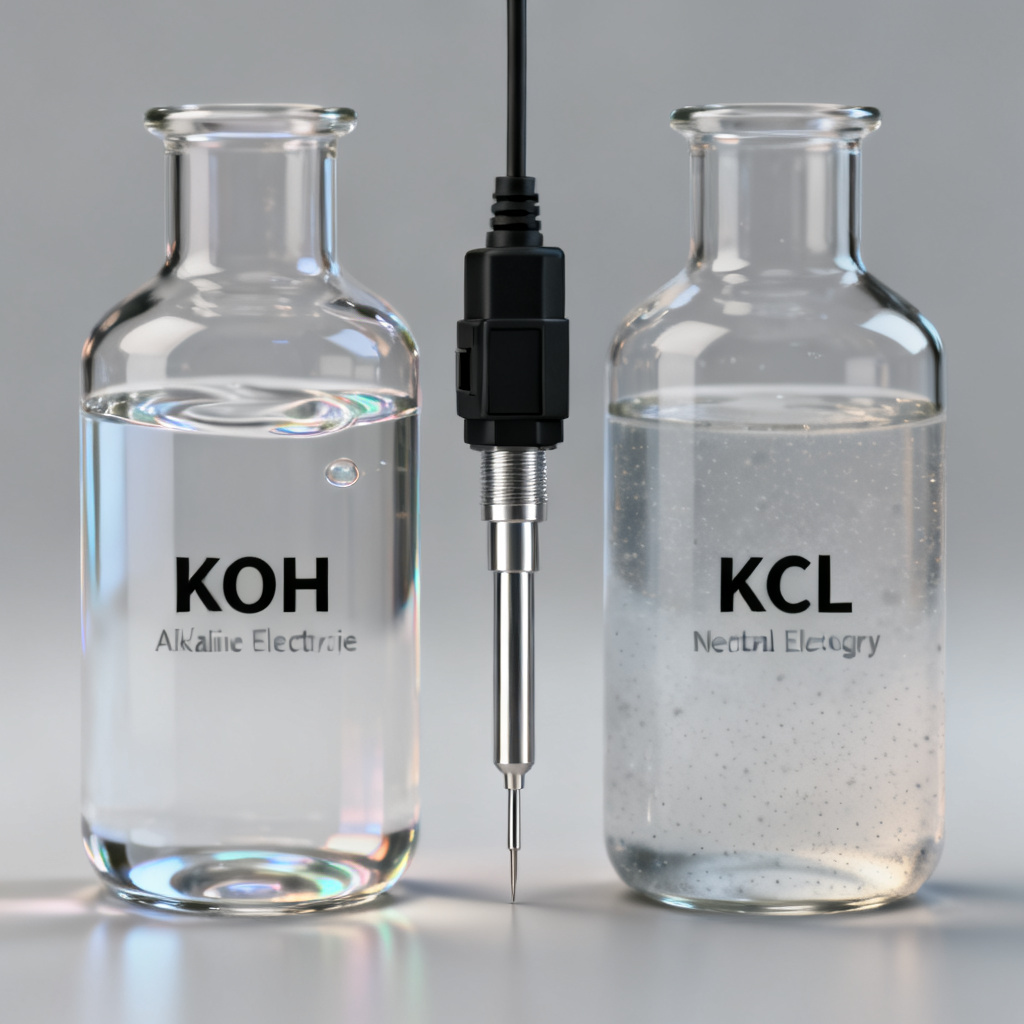
- Alkaline Electrolyte (e.g., 0.1 M KOH or NaOH): Common in polarographic sensors. Offers high conductivity and low toxicity but requires careful handling due to caustic nature.
- Neutral Electrolyte (e.g., KCl solution): Used in some galvanic sensors. Less corrosive but may have lower conductivity, affecting sensitivity.
Important: Always use the electrolyte specified by the sensor manufacturer. Mixing different chemistries can cause irreversible damage, including electrode poisoning or membrane degradation.
Signs Your Electrolyte Solution for DO Sensors Needs Refilling
Gradual Drift in Calibration
One of the earliest indicators is a slow, consistent drift in zero-point or span calibration. If the sensor requires frequent recalibration (e.g., more than once per week) without changes in environmental conditions, the electrolyte solution for DO sensors may be degrading. This drift occurs because the ionic concentration decreases, altering the baseline current.
Slow Response Time
A healthy DO sensor should reach 90% of the final reading within 30 to 60 seconds. If response time increases significantly—for example, taking several minutes to stabilize—this often indicates electrolyte depletion or contamination. The reduced conductivity slows the electrochemical reaction.
Erratic or Noisy Readings
Unstable readings that fluctuate randomly, even in a stable environment, suggest that the electrolyte is no longer providing a consistent ionic path. This can be caused by air bubbles trapped in the electrolyte chamber, crystallization of salts, or chemical breakdown.
Visible Electrolyte Leakage
Inspect the sensor body and membrane cap for any signs of leakage. If electrolyte has crystallized around the cap threads or on the sensor exterior, the seal is compromised. Leakage not only reduces electrolyte volume but also allows contaminants to enter, accelerating degradation.
Reduced Sensor Output
When measuring a known oxygen concentration (e.g., air-saturated water), the sensor output should be within the manufacturer’s specified range. A significant drop in output (e.g., 20% lower than expected) often indicates that the electrolyte solution for DO sensors is exhausted or diluted.
Membrane Damage or Aging
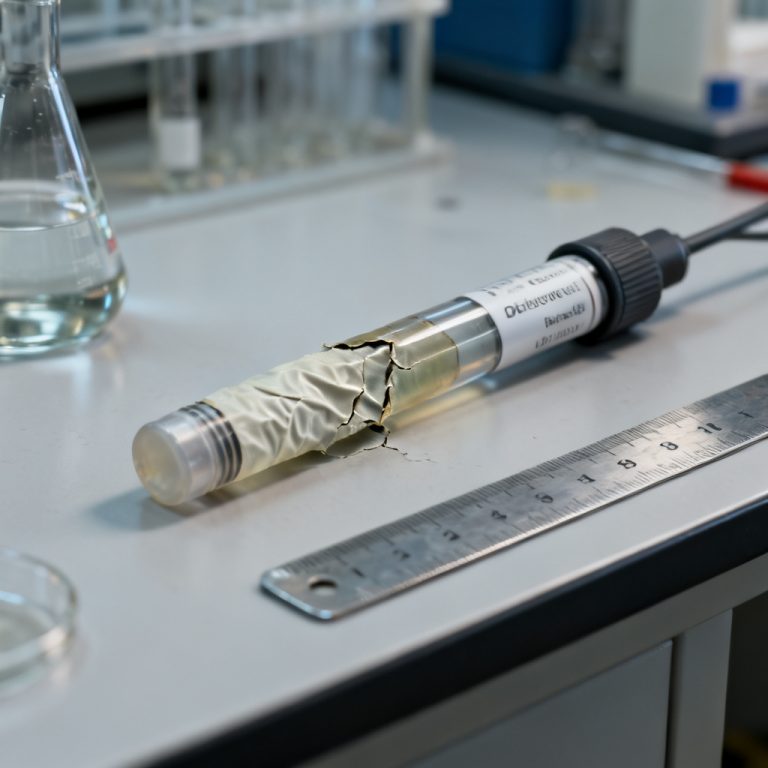
While not directly an electrolyte issue, a damaged or aged membrane can allow electrolyte to escape or become contaminated. If the membrane appears wrinkled, torn, or has a white deposit, replace it simultaneously with the electrolyte refill.
When to Refill Electrolyte Solution for DO Sensors – Recommended Intervals
Standard Maintenance Schedule
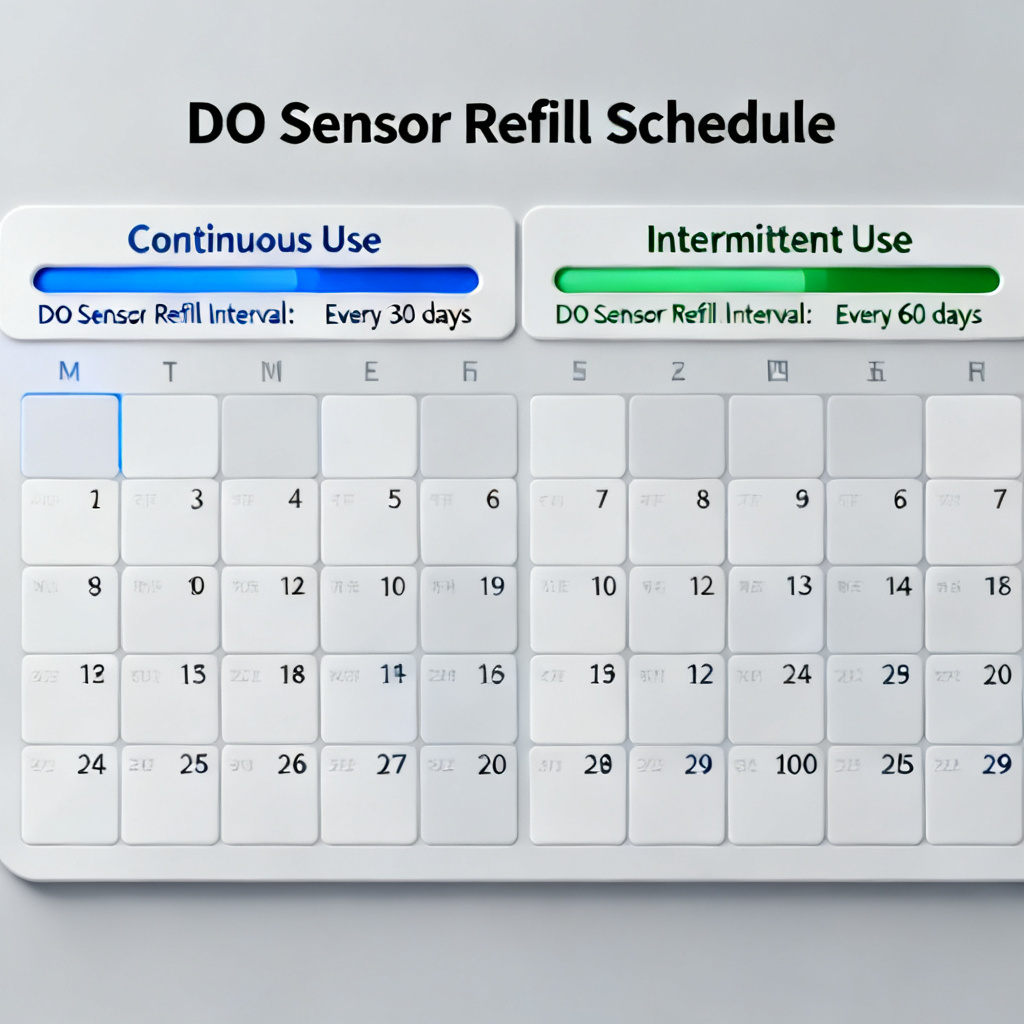
Industry best practices recommend checking and refilling the electrolyte solution for DO sensors at regular intervals, even without visible issues:
- Continuous Use (24/7 monitoring): Refill every 2 to 4 weeks, depending on sensor type and manufacturer guidelines.
- Intermittent Use (e.g., daily spot checks): Refill every 1 to 3 months.
- Storage: If the sensor is stored dry, always refill with fresh electrolyte before use. Never store a sensor with old electrolyte, as it can crystallize and damage the internal components.
Factors That Shorten Refill Intervals
Several conditions accelerate electrolyte depletion:
- High Temperature: Elevated temperatures (above 40°C) increase chemical reaction rates and evaporation, requiring more frequent refills.
- High Oxygen Levels: In hyperoxic environments (e.g., oxygen-enriched water), the sensor works harder, consuming electrolyte faster.
- Contaminants: Exposure to hydrogen sulfide (H₂S), chlorine, or heavy metals can poison the electrolyte, necessitating immediate replacement.
- Frequent Calibration Cycles: Each calibration consumes a small amount of electrolyte, so sensors calibrated daily may need refills sooner.
When to Refill Immediately
Replace electrolyte solution for DO sensors immediately if you observe any of the following:
- The sensor fails calibration even after cleaning.
- There is visible discoloration (e.g., brown or green tint) in the electrolyte.
- The sensor has been exposed to extreme conditions (e.g., freezing or boiling).
- The sensor has been unused for more than 6 months without proper storage.
Step-by-Step Guide to Refilling Electrolyte Solution for DO Sensors
Preparation
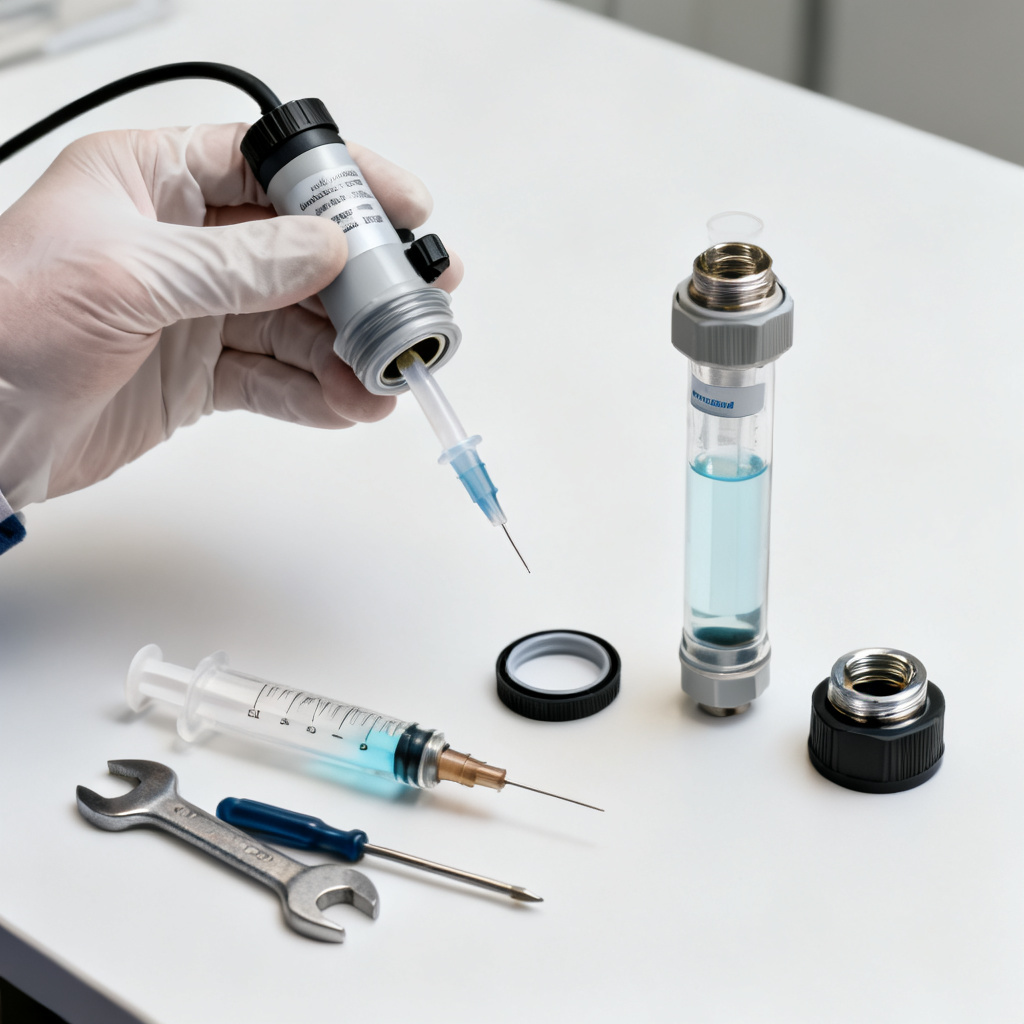
- Gather Materials: Fresh electrolyte solution for DO sensors (manufacturer-recommended), a clean syringe or pipette, lint-free wipes, replacement membrane cap (if needed), and protective gloves.
- Safety First: Electrolytes like KOH are caustic. Wear gloves and safety glasses. Work in a well-ventilated area.
Remove the Old Electrolyte
- Disconnect the sensor from the transmitter or logger.
- Unscrew the membrane cap carefully. Some sensors have a locking mechanism—refer to the manual.
- Discard the old electrolyte into a chemical waste container. Do not pour down drains.
- Rinse the electrode assembly with distilled or deionized water to remove residual salts. Avoid touching the membrane or electrodes.
Inspect and Clean Components
- Check the electrode surfaces: Look for corrosion, pitting, or deposits. If present, gently clean with a soft brush and distilled water. Severe damage may require electrode replacement.
- Examine the membrane: If it is wrinkled, torn, or has white deposits, replace it with a new one. Ensure the new membrane is properly seated and has no air bubbles.
- Clean the O-ring: Wipe the O-ring groove and replace the O-ring if it is cracked or flattened.
Fill with Fresh Electrolyte
- Use a syringe or pipette to slowly inject fresh electrolyte solution for DO sensors into the sensor body. Fill until the electrolyte reaches the top of the electrode assembly, but leave a small gap (about 2–3 mm) to allow for expansion.
- Avoid air bubbles: Gently tap the sensor body to release trapped bubbles. If bubbles remain, they can cause erratic readings.
- Reattach the membrane cap carefully. Tighten by hand only—over-tightening can damage the membrane.
Post-Refill Calibration
- Allow stabilization: Let the sensor sit for 10–15 minutes after refilling to allow the electrolyte to equilibrate.
- Perform a two-point calibration: Zero point (0% oxygen, using sodium sulfite solution) and span point (100% oxygen, in air-saturated water or air). Adjust as per manufacturer instructions.
- Verify response time: Ensure the sensor reaches 90% of the final reading within 30 seconds.
Common Mistakes When Handling Electrolyte Solution for DO Sensors
Using Wrong Electrolyte
Mistake: Substituting with a generic or homemade solution.
Consequence: Incompatible chemistry can cause electrode poisoning, membrane swelling, or inaccurate readings.
Solution: Always purchase electrolyte solution for DO sensors from the sensor manufacturer or a certified supplier.
Overfilling or Underfilling
Mistake: Filling to the brim or leaving too much air space.
Consequence: Overfilling can cause leakage when the sensor warms up; underfilling leads to incomplete electrode coverage and erratic readings.
Solution: Fill to the recommended level (usually 2–3 mm below the top of the electrode assembly).
Ignoring Air Bubbles
Mistake: Not tapping the sensor to release bubbles before sealing.
Consequence: Air bubbles create a variable ionic path, causing noisy or drifting readings.
Solution: After filling, gently tap the sensor body and tilt it to dislodge bubbles.
Reusing Old Electrolyte
Mistake: Pouring old electrolyte back into the bottle.
Consequence: Contaminants can spoil the entire batch, affecting future refills.
Solution: Always use fresh electrolyte solution for DO sensors from a sealed container.
Skipping Membrane Replacement
Mistake: Refilling electrolyte without checking the membrane condition.
Consequence: A damaged membrane allows electrolyte to leak or contaminants to enter, nullifying the refill.
Solution: Replace the membrane cap at least every 2–3 refills, or more often in harsh environments.
Long-Term Maintenance and Storage of Electrolyte Solution for DO Sensors
Storage Recommendations
- Short-term (up to 1 week): Keep the sensor filled with electrolyte solution for DO sensors and store in a clean, dry place at room temperature (15–25°C).
- Long-term (more than 1 month): Remove the membrane cap, empty the electrolyte, rinse the sensor with distilled water, and store dry. Before reuse, refill with fresh electrolyte and calibrate.
- Never freeze: Electrolyte expansion during freezing can crack the sensor body.
Extending Electrolyte Life
- Use a protective coating: Some manufacturers offer anti-fouling coatings for the membrane that reduce contamination.
- Minimize exposure to aggressive chemicals: If the sensor is used in wastewater with H₂S or chlorine, consider a pre-filter or a sensor with a sacrificial anode.
- Regular cleaning: Wipe the sensor body and membrane cap with a soft cloth after each use to prevent salt buildup.
When to Replace the Sensor
Even with proper electrolyte maintenance, DO sensors have a finite lifespan. Replace the sensor if:
- Calibration cannot be achieved even after refilling and cleaning.
- Electrodes show severe corrosion or pitting.
- The sensor has been in continuous use for more than 2–3 years (depending on model).
Industry Standards and Best Practices for Electrolyte Solution for DO Sensors
ISO and ASTM Guidelines
- ISO 5814: Specifies the polarographic method for DO measurement, including electrolyte requirements and maintenance intervals.
- ASTM D888: Covers standard test methods for dissolved oxygen in water, emphasizing the importance of electrolyte freshness and membrane integrity.
Manufacturer-Specific Recommendations
Always refer to the sensor’s user manual for exact electrolyte composition, refill volume, and calibration procedures. For example:
- YSI ProSeries: Use YSI 5907 electrolyte; refill every 30 days for continuous use.
- Hach LDO: Uses a different technology (optical) but if electrochemical, follow Hach’s specific electrolyte guidelines.
- In-Situ Aqua TROLL: Recommends electrolyte replacement every 2 weeks in high-temperature applications.
Record Keeping
Maintain a log of refill dates, electrolyte batch numbers, and calibration results. This helps identify trends and predict when the sensor needs service.
Comparison: Galvanic vs Polarographic DO Sensor Electrolyte Needs
| Feature | Galvanic DO Sensor | Polarographic DO Sensor |
|---|---|---|
| Electrolyte Type | Neutral (e.g., KCl) | Alkaline (e.g., KOH) |
| Refill Frequency | Every 4–6 weeks (continuous) | Every 2–4 weeks (continuous) |
| Response Time | Slower (60–90 sec) | Faster (30–60 sec) |
| Corrosion Risk | Low | Higher (caustic) |
| Best Application | Low-maintenance, long-term | High-accuracy, lab-grade |
Our dissolved oxygen sensor product line uses premium alkaline electrolyte for superior accuracy, with easy refill access and extended membrane life. Unlike generic sensors, we provide factory-calibrated electrolyte packs and detailed refill logs.
FAQ: Electrolyte Solution for DO Sensors
How often should I refill the electrolyte solution for DO sensors?
What are the signs that my DO sensor electrolyte needs replacing?
Can I use any electrolyte solution for DO sensors?
How do I refill the electrolyte in a dissolved oxygen sensor?
What happens if I don’t refill the electrolyte on time?
Glossary of Key Terms
- Electrolyte Solution for DO Sensors: A conductive ionic medium (e.g., KOH or KCl) that enables the electrochemical reduction of oxygen in polarographic and galvanic sensors.
- Dissolved Oxygen Sensor: An electrochemical or optical device that measures the concentration of oxygen dissolved in water, critical for aquaculture, wastewater, and industrial monitoring.
- Polarographic DO Sensor: A type of sensor that uses an external voltage to reduce oxygen at the cathode, requiring an alkaline electrolyte.
- Galvanic DO Sensor: A self-powered sensor that uses a sacrificial anode to generate current without external voltage, often using a neutral electrolyte.
- Membrane Cap: A gas-permeable barrier that protects the internal electrolyte and electrode assembly from contaminants while allowing oxygen diffusion.