Operational Costs of Electrochemical DO Sensors
| |

Hidden Operational Costs of Electrochemical DO Sensors

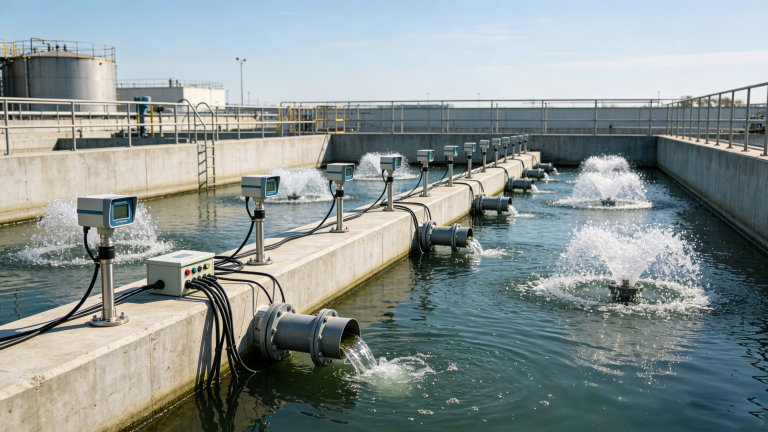
Understanding the hidden operational costs of electrochemical DO sensors is critical for industrial users in wastewater, aquaculture, and biotech. These sensors, while essential for dissolved oxygen monitoring, often incur significant expenses beyond the initial purchase price. This guide reveals the true cost drivers to help you optimize your budget and process reliability. 1. Membrane and…

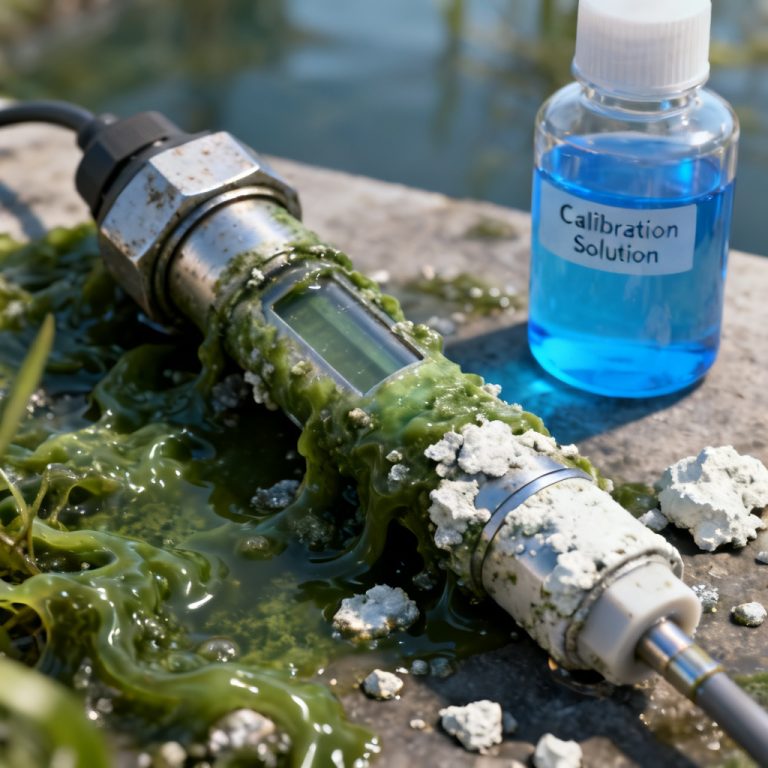
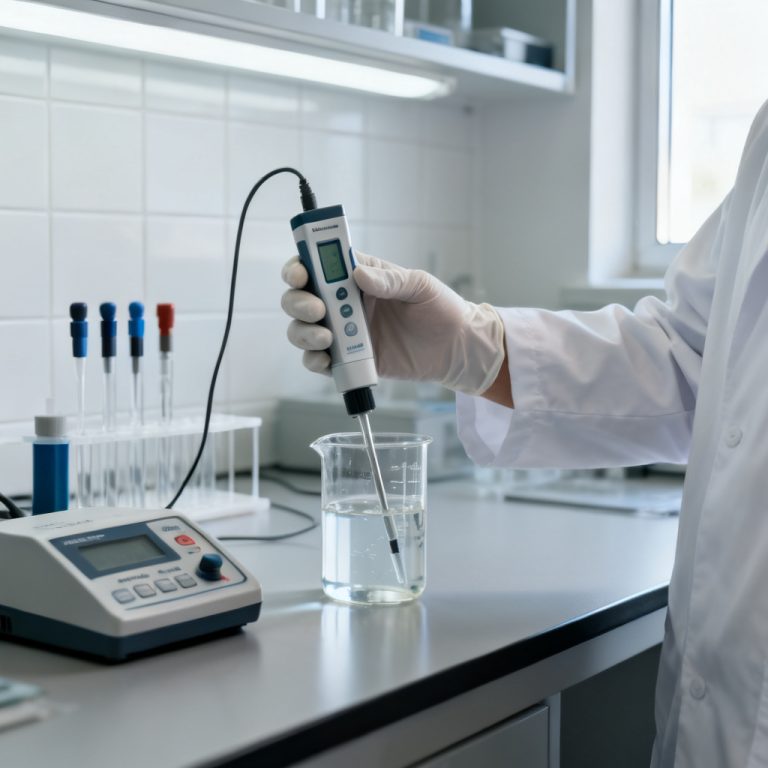
Electrochemical DO sensor calibration setup showing dissolved oxygen probe with calibration equipment and two-point calibration protocol preparation
|

How Often to Calibrate an Electrochemical DO Sensor

How Often to Calibrate an Electrochemical DO Sensor? Understanding the correct electrochemical DO sensor calibration frequency is essential for accurate dissolved oxygen measurement in aquaculture, wastewater treatment, and industrial processes. This pillar content synthesizes expert recommendations from YSI, Hach, and Atlas Scientific to provide a definitive calibration schedule. Factors Affecting Electrochemical DO Sensor Calibration Frequency…

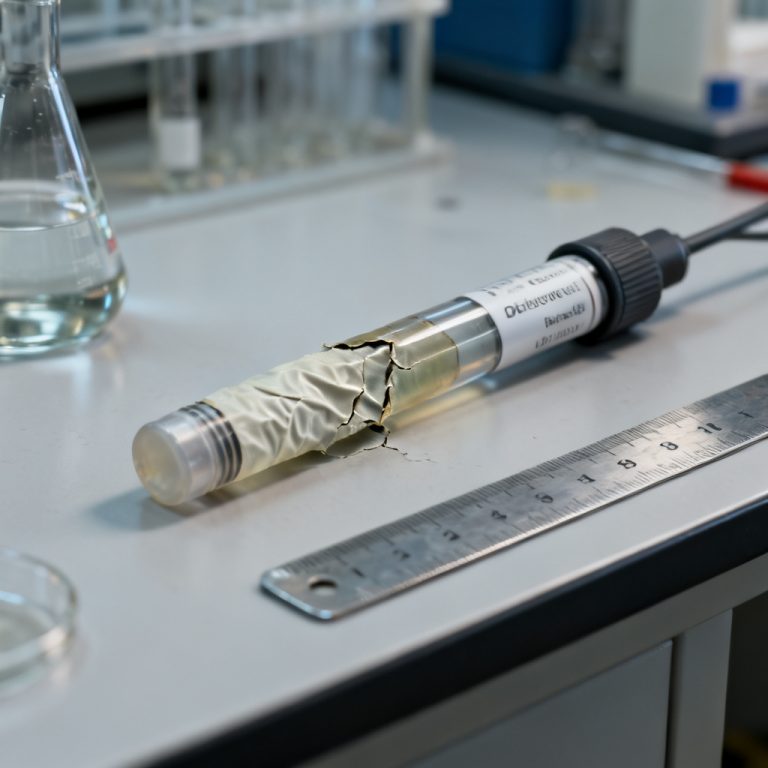
Electrochemical DO sensor membrane replacement showing step-by-step process for replacing worn membrane on dissolved oxygen sensor probe
|

Signs Your Electrochemical DO Sensor Needs a New Membrane

style code after header 20260423 nosynced Recognizing the early signs your electrochemical DO sensor needs a new membrane is critical for maintaining accurate dissolved oxygen readings. In B2B operations—from wastewater treatment to pharmaceutical fermentation—a failing membrane leads to costly process upsets and compliance risks. This guide consolidates expert insights from YSI, Hach, and Mettler Toledo…

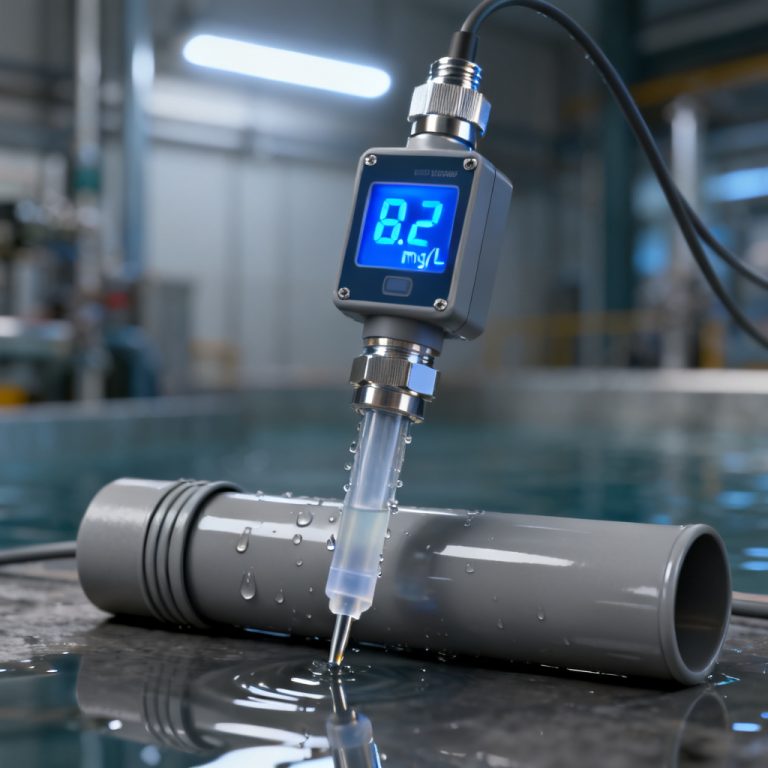
Electrochemical DO Sensor Calibration Process showing membrane replacement and electrolyte refill steps for dissolved oxygen sensor maintenance
|

Electrochemical DO Sensor Hidden Costs Membranes Electrolyte Calibration

Electrochemical DO sensor hidden costs significantly impact total ownership, often surpassing the initial purchase price. These expenses stem from three critical components: membranes, electrolyte solutions, and calibration procedures. Understanding these hidden costs is vital for optimizing operational budgets, extending sensor lifespan, and ensuring consistent data quality in water quality monitoring, aquaculture, wastewater treatment, and environmental…

Electrolyte Solution for DO Sensors When to Refill
|

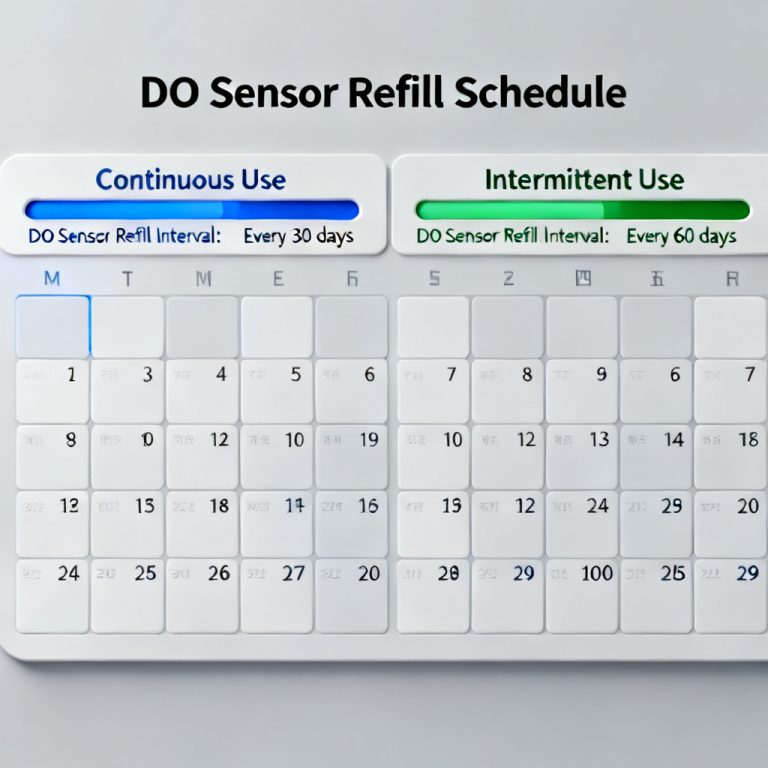
Electrolyte Solution for DO Sensors When to Refill

Understanding the electrolyte solution for DO sensors is critical for accurate dissolved oxygen measurement. This guide explains the science, signs of depletion, refill timing, and step-by-step maintenance to ensure your dissolved oxygen sensor delivers reliable performance in aquaculture, wastewater, and industrial applications. How Electrolyte Solution for DO Sensors Works The Electrochemical Principle In polarographic and…

Electrochemical DO Sensors for Aquaculture

Optical vs Electrochemical DO Sensors for Aquaculture ROI

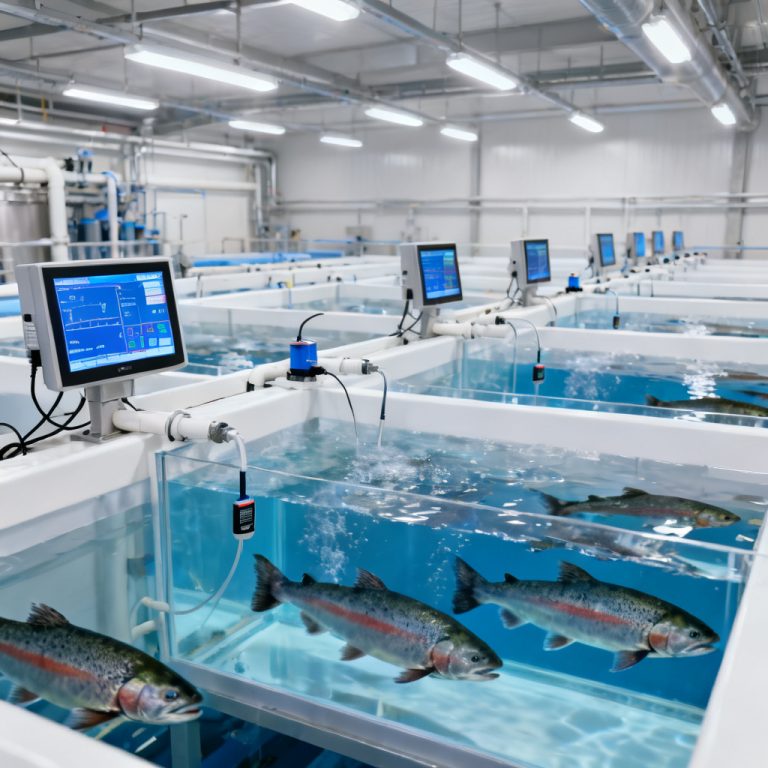
Optical vs Electrochemical DO Sensors for Aquaculture ROI Choosing between optical vs electrochemical DO sensors for aquaculture ROI is a critical decision that directly impacts your bottom line. This comprehensive guide compares accuracy, maintenance, lifespan, and total cost of ownership to reveal which technology delivers superior ROI for shrimp, fish, and recirculating systems. How Optical…

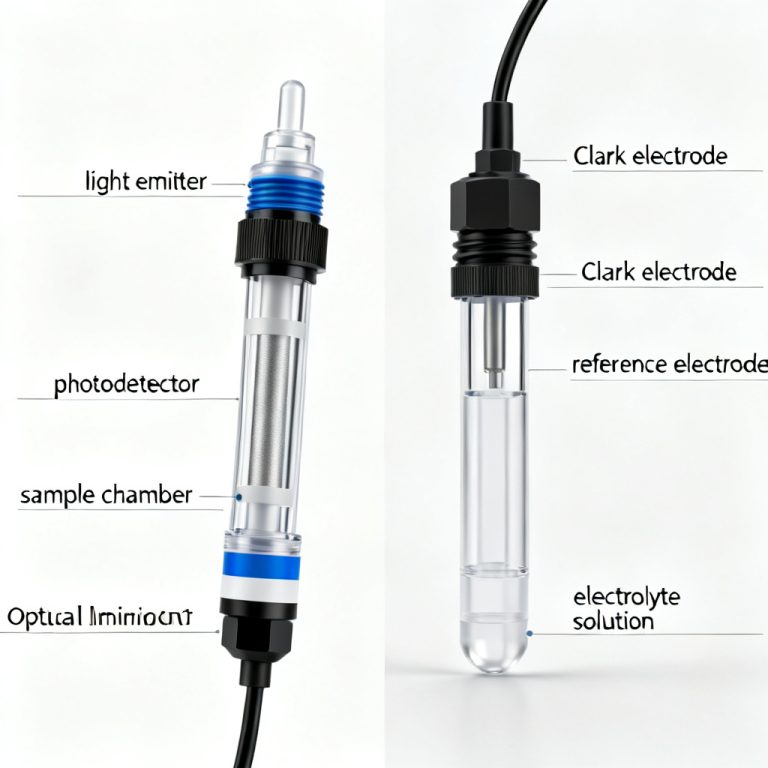
Optical vs electrochemical dissolved oxygen sensors technical comparison diagram for intensive shrimp farming ponds in Vietnam and Thailand

Optical vs Electrochemical DO Sensors for Aquaculture

Optical vs. Electrochemical DO Sensors for Aquaculture: Which One Delivers Better ROI? For a shrimp or fish farm manager, the question is not just “which sensor is more accurate in a laboratory,” but: Which technology delivers a better return on investment (ROI) when deployed continuously in warm, nutrient-rich, biofouling-prone aquaculture ponds?  This page answers that question…