DO Sensor Integration with SCADA Systems for Fisheries

DO Sensor Integration with SCADA Systems for Fisheries

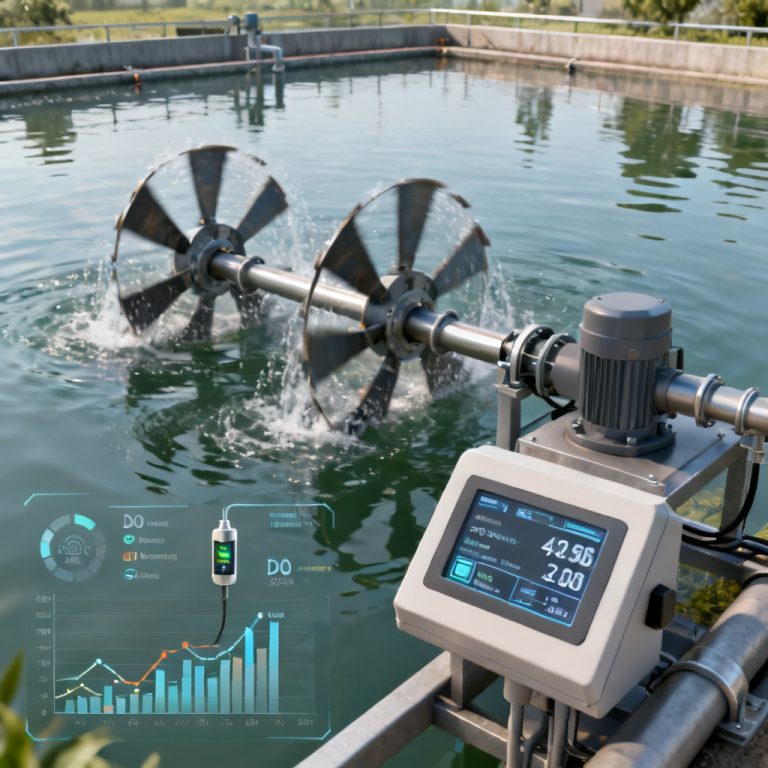
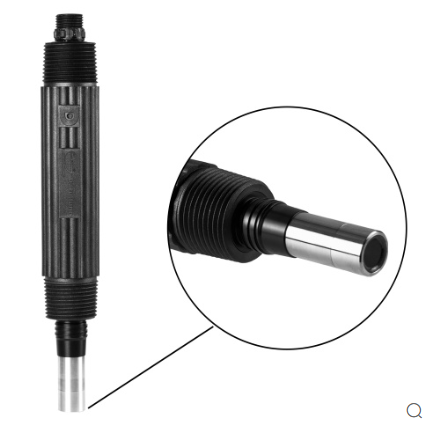
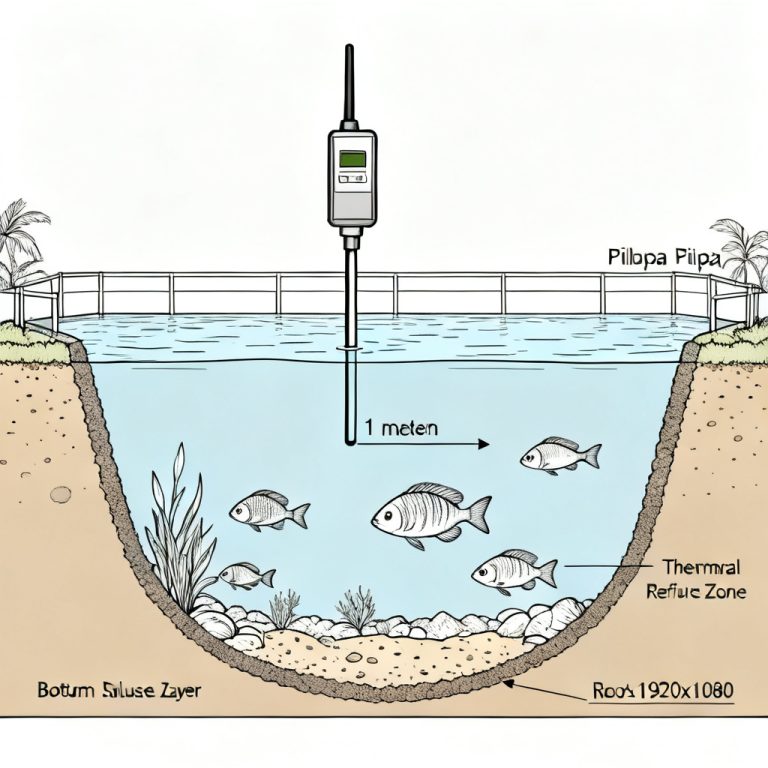
DO Sensor Integration with SCADA Systems for Fisheries: Complete Guide DO sensor integration with SCADA systems for fisheries is essential for real-time monitoring and automated control. This complete guide covers everything from sensor selection to system architecture, calibration, and troubleshooting, based on industry best practices. 1. Why DO Sensor Integration with SCADA Systems for Fisheries…

dissolved oxygen monitoring in aquaculture. Compare Galvanic vs. Polarographic sensors: principles, maintenance, lifespan, cost, and ideal applications for shrimp, fish, and RAS systems
|

Electrochemical Dissolved Oxygen Sensor Galvanic vs Polarographic Technology for Aquaculture

Introduction: The Critical Role of Dissolved Oxygen in Aquaculture In modern aquaculture, dissolved oxygen (DO) concentration is the single most critical water quality parameter. Whether you operate a high-density recirculating aquaculture system (RAS) for shrimp, an extensive pond for tilapia, or a flow-through salmon farm, maintaining optimal DO levels (typically 5–8 mg/L for most species)…

How Does an Optical Dissolved Oxygen Sensor Work
| |

How Does an Optical Dissolved Oxygen Sensor Work

Understanding How Does an Optical Dissolved Oxygen Sensor Work is necessary for modern water quality monitoring. Unlike traditional electrochemical methods, this technology uses luminescence quenching to measure oxygen without consuming it, offering drift-free and maintenance-free accuracy for industrial and environmental applications. Core Physics of Optical Dissolved Oxygen Sensor: Luminescence Quenching and Stern-Volmer Relationship At the…

Optical DO Sensors for Shrimp Farming
|

Benefits of Optical DO Sensors for Shrimp Farming

  Benefits of Optical DO Sensors for Shrimp Farming are transforming how producers manage dissolved oxygen in aquaculture ponds. Unlike traditional electrochemical probes, these advanced sensors use fluorescence quenching to deliver unmatched accuracy and stability. This pillar page consolidates the most authoritative insights from leading aquaculture technology providers, offering a complete guide to the working…

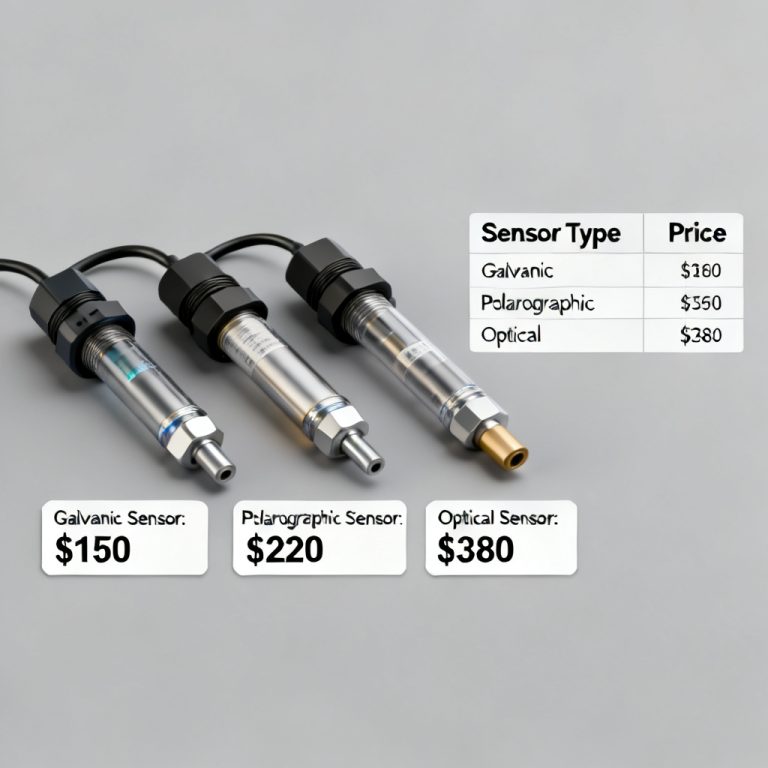
Commercial optical dissolved oxygen sensor price breakdown showing competitive bulk wholesale costs and long-term ROI comparison against galvanic membrane probes
|

How to Clean an Optical DO Sensor Without Damaging the Cap

Learning how to clean an optical DO sensor without damaging the cap is essential for maintaining accurate dissolved oxygen readings and extending sensor lifespan in industrial, aquaculture, and laboratory applications. Unlike electrochemical sensors, optical DO sensors rely on a delicate fluorescent cap that is easily ruined by improper cleaning methods. This guide consolidates best practices…

Commercial optical dissolved oxygen sensor price breakdown showing competitive bulk wholesale costs and long-term ROI comparison against galvanic membrane probes
|

Optical Dissolved Oxygen Sensor Price

Understanding the optical dissolved oxygen sensor price is essential for B2B buyers seeking reliable water quality monitoring solutions. This comprehensive guide analyzes top industry sources to help you make an informed investment. What is an Optical Dissolved Oxygen Sensor? – Technology & Value An optical dissolved oxygen sensor price reflects advanced luminescent technology that outperforms…

Industrial optical fluorescence dissolved oxygen sensor deployment for automated real-time water quality monitoring in intensive shrimp farming ponds across Thailand and Vietnam and Ecuador
|

Optical Fluorescence Dissolved Oxygen Sensor

Optical Fluorescence Dissolved Oxygen Sensor: Maintenance Free DO Monitoring for Aquaculture The optical fluorescence dissolved oxygen sensor is the definitive technology for maintenance‑free DO monitoring in aquaculture, delivering drift‑free accuracy and eliminating the labor of traditional electrochemical probes. This comprehensive guide consolidates the most authoritative knowledge from industry leaders, scientific research, and commercial best practices….

Optical dissolved oxygen sensor working principle illustration for automated real-time water quality monitoring systems in intensive shrimp farms
|

Optical Dissolved Oxygen Sensor Working Principle

An optical dissolved oxygen sensor working principle relies on fluorescence quenching to measure oxygen concentration without consuming the analyte. This guide provides a comprehensive technical overview for B2B engineers and procurement professionals in PCB manufacturing and sensor system integration. Dissolved oxygen measurement is critical in water quality monitoring, aquaculture, wastewater treatment, and environmental research. Traditional…

Optical DO Sensor Calibration Step by Step Guide
|

Optical DO Sensor Calibration Step by Step Guide

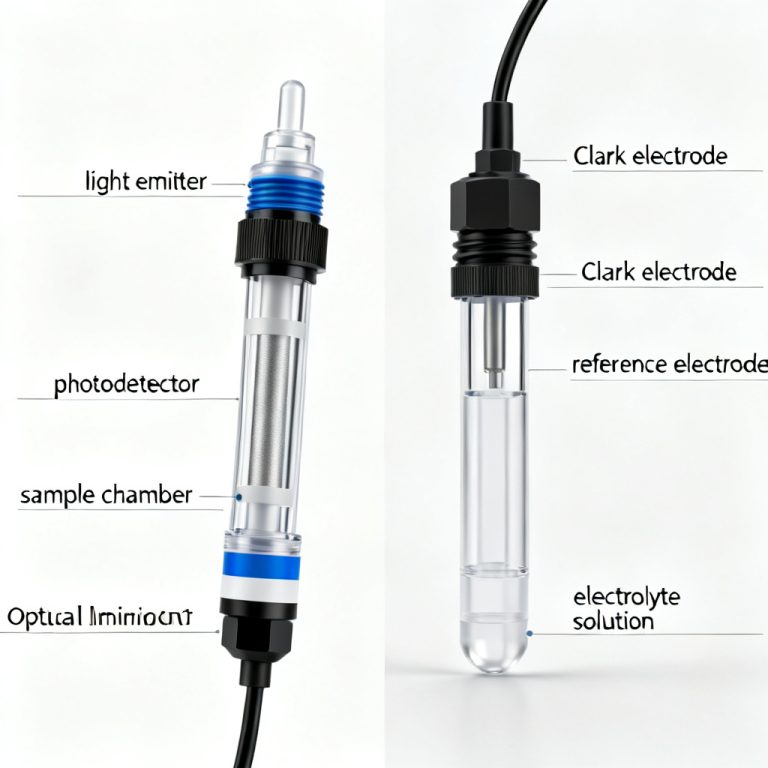
Accurate Optical DO Sensor Calibration is essential for reliable dissolved oxygen measurement in environmental monitoring, wastewater treatment, aquaculture, and industrial process control. Optical DO sensors, based on luminescence quenching technology, offer superior stability and low maintenance compared to traditional Clark-type electrodes. However, even the most advanced optical sensors require periodic calibration to maintain precision and…

Long-term optical DO sensor drift testing and maintenance protocols for automated smart aquaculture shrimp farming
|

Optical DO Sensor Drift

Optical DO Sensor Drift What to Expect Over 1 Year Optical dissolved oxygen sensors offer superior stability for long-term water quality monitoring, but gradual optical DO sensor drift over 12 months is inevitable due to photo-bleaching and biofouling. Understanding this drift profile is essential for maintaining accurate data in B2B applications like wastewater treatment, aquaculture,…

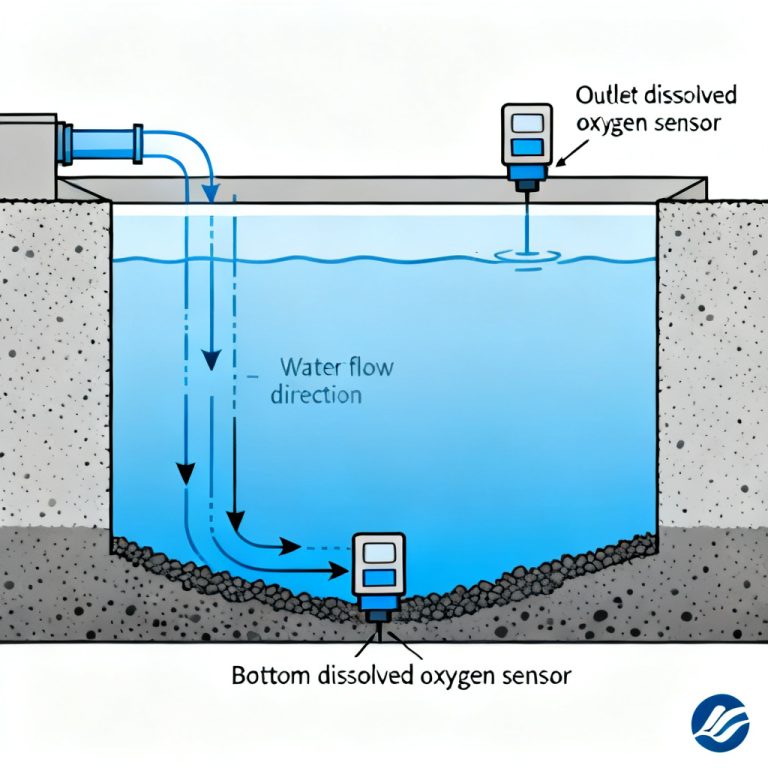
aquaculture DO sensor installation showing correct probe placement
|

Accuracy IoT DO Monitoring System for Shrimp Farming

IoT Dissolved Oxygen Monitoring System for Shrimp Farming: 97% Accuracy Case Study This case study examines how an Accuracy IoT DO Monitoring System for Shrimp Farming achieved 97% accuracy in a commercial shrimp farm, transforming survival rates and operational efficiency. Discover the technology, implementation, and measurable ROI for precision aquaculture. In the high-stakes world of…

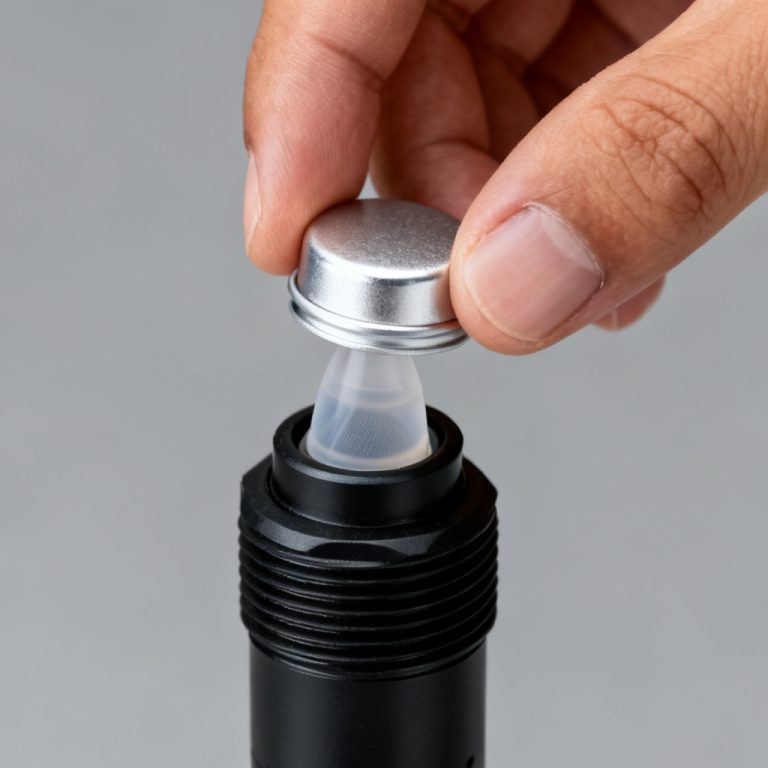
Optical DO sensor probe detailing the luminescent cap technology that requires no membrane or electrolyte for low-maintenance water testing
|

Why Optical DO Sensors Have No Membrane or Electrolyte

Why Optical DO Sensors Have No Membrane or Electrolyte? Optical DO sensors have no membrane or electrolyte because they operate on fluorescence quenching, a solid-state optical principle that eliminates the need for consumable electrochemical components. This fundamental design shift delivers higher stability, lower maintenance, and superior accuracy in demanding B2B environments such as wastewater treatment,…