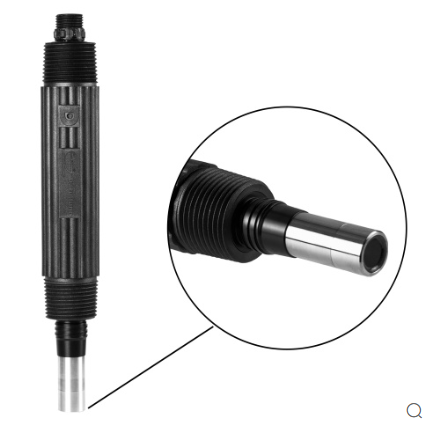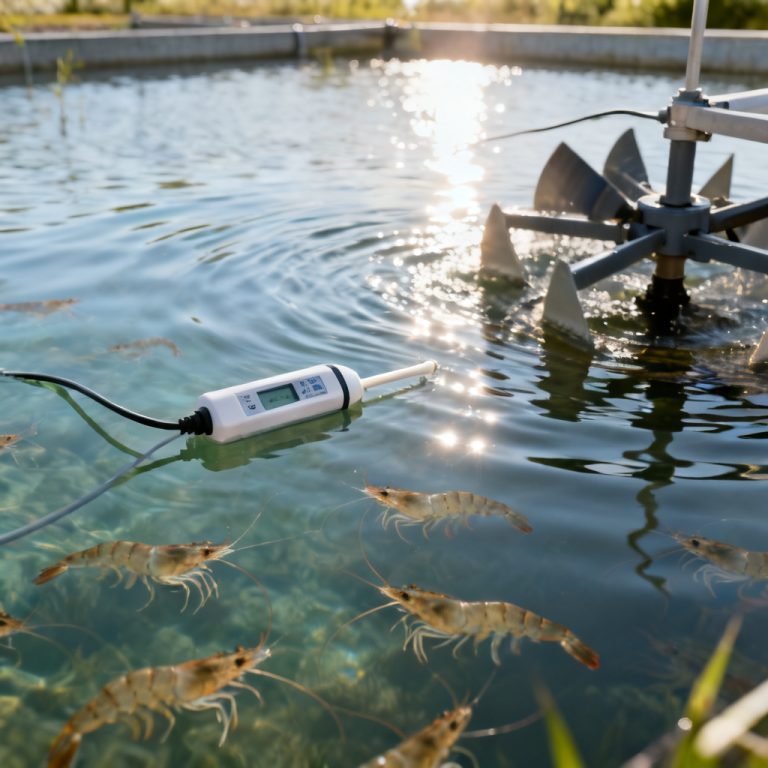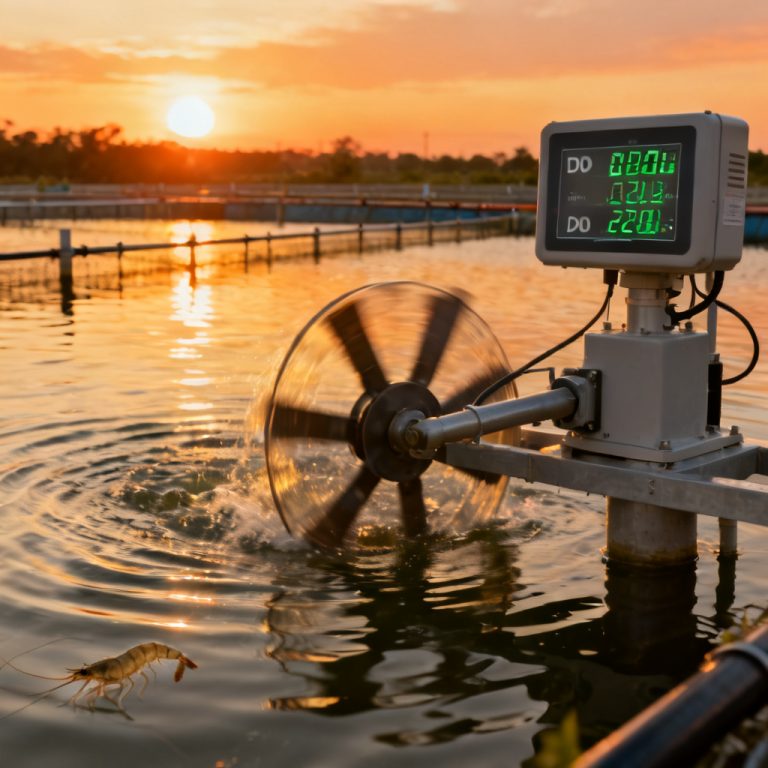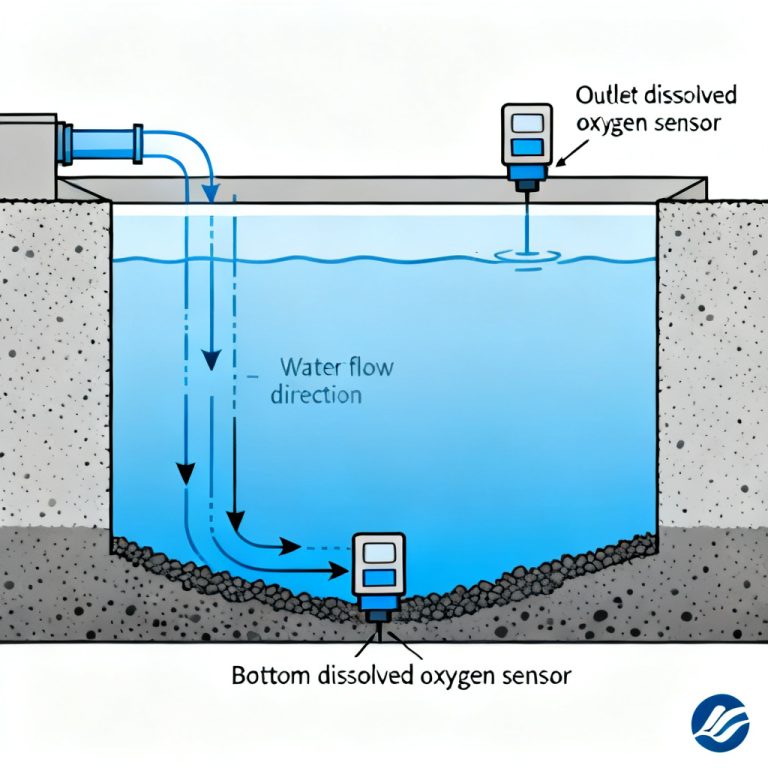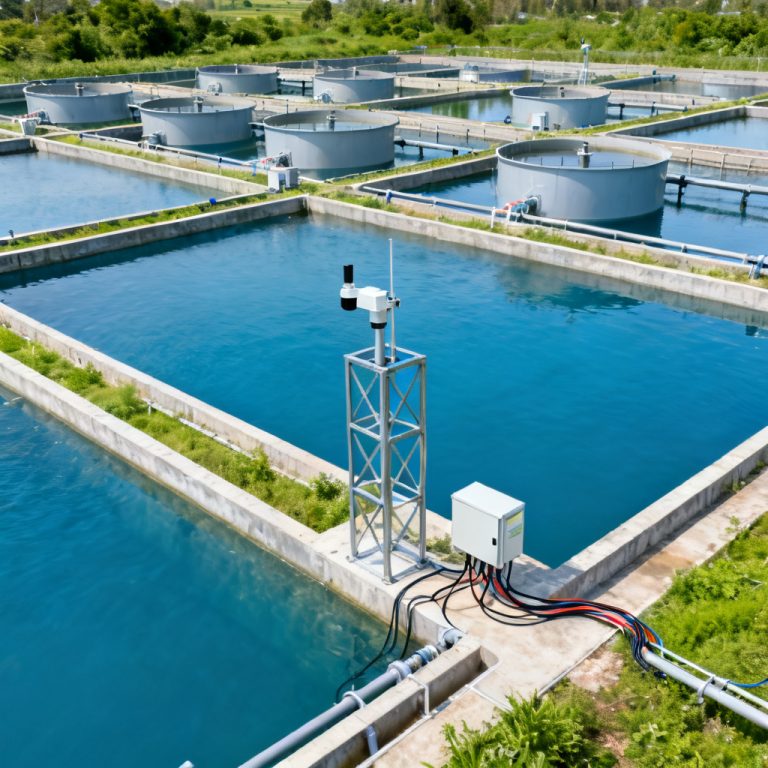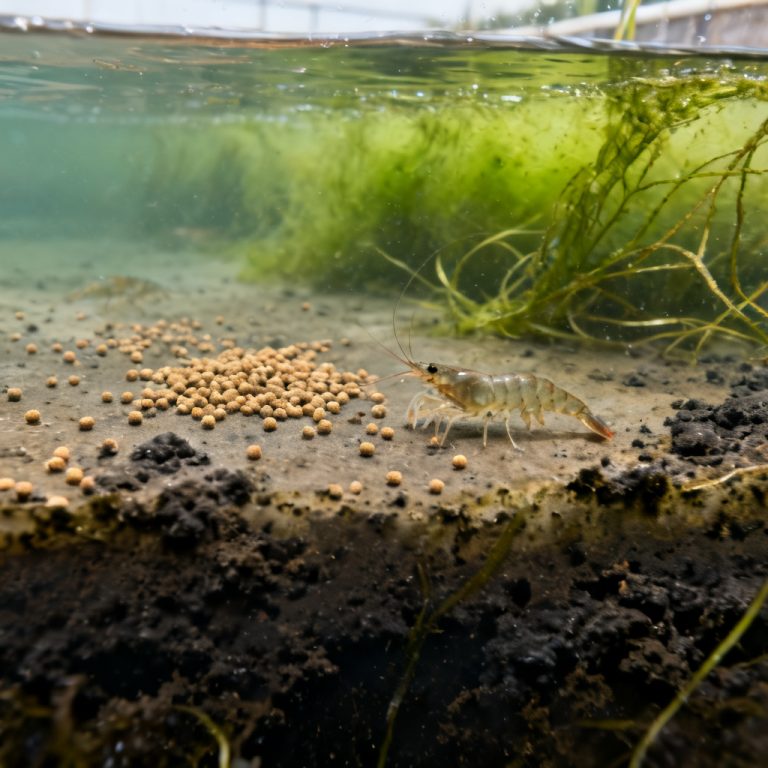
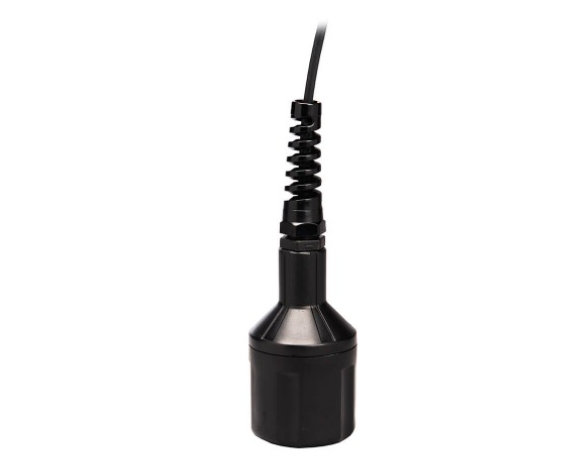
Industrial optical fluorescence dissolved oxygen sensor deployment for automated real-time water quality monitoring in intensive shrimp farming ponds across Thailand and Vietnam and Ecuador
|

Optical Fluorescence Dissolved Oxygen Sensor

Optical Fluorescence Dissolved Oxygen Sensor: Maintenance Free DO Monitoring for Aquaculture The optical fluorescence dissolved oxygen sensor is the definitive technology for maintenance‑free DO monitoring in aquaculture, delivering drift‑free accuracy and eliminating the labor of traditional electrochemical probes. This comprehensive guide consolidates the most authoritative knowledge from industry leaders, scientific research, and commercial best practices….

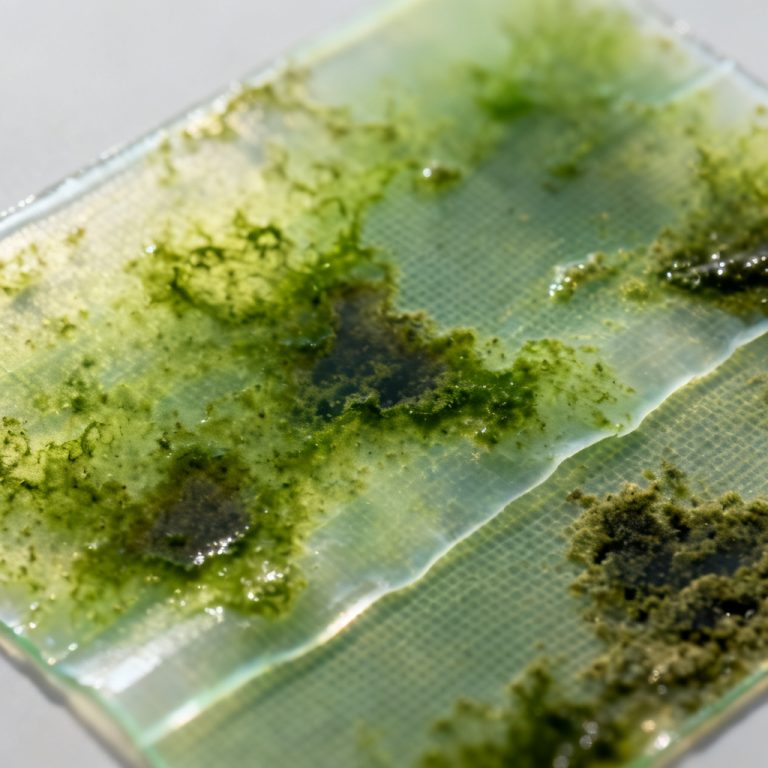
Long-term optical DO sensor drift testing and maintenance protocols for automated smart aquaculture shrimp farming
|

Optical DO Sensor Drift

Optical DO Sensor Drift What to Expect Over 1 Year Optical dissolved oxygen sensors offer superior stability for long-term water quality monitoring, but gradual optical DO sensor drift over 12 months is inevitable due to photo-bleaching and biofouling. Understanding this drift profile is essential for maintaining accurate data in B2B applications like wastewater treatment, aquaculture,…

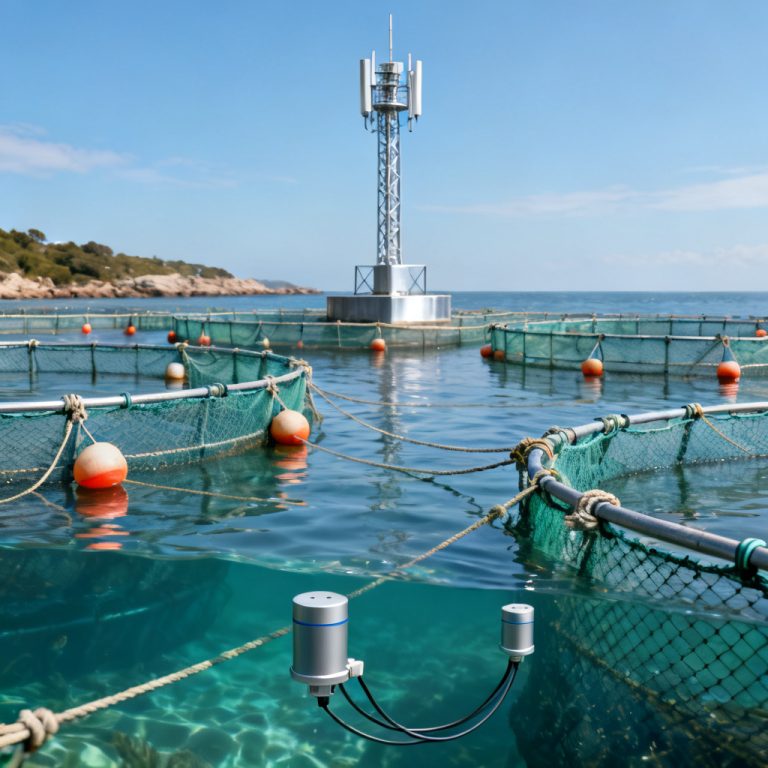
Technical comparison of LoRaWAN vs NB IoT for aquaculture DO monitoring systems deployed in shrimp ponds across Vietnam and Indonesia

LoRaWAN vs NB IoT for Aquaculture DO Monitoring Technical Comparison

LoRaWAN vs. NB-IoT for Aquaculture DO Monitoring: Technical Comparison In modern aquaculture, real-time monitoring of Dissolved Oxygen (DO) levels is critical for fish health, feed efficiency, and mortality prevention. Welcome to our comprehensive LoRaWAN vs NB IoT for Aquaculture DO Monitoring Technical Comparison, where we help operators choose the right connectivity framework for their sensor…

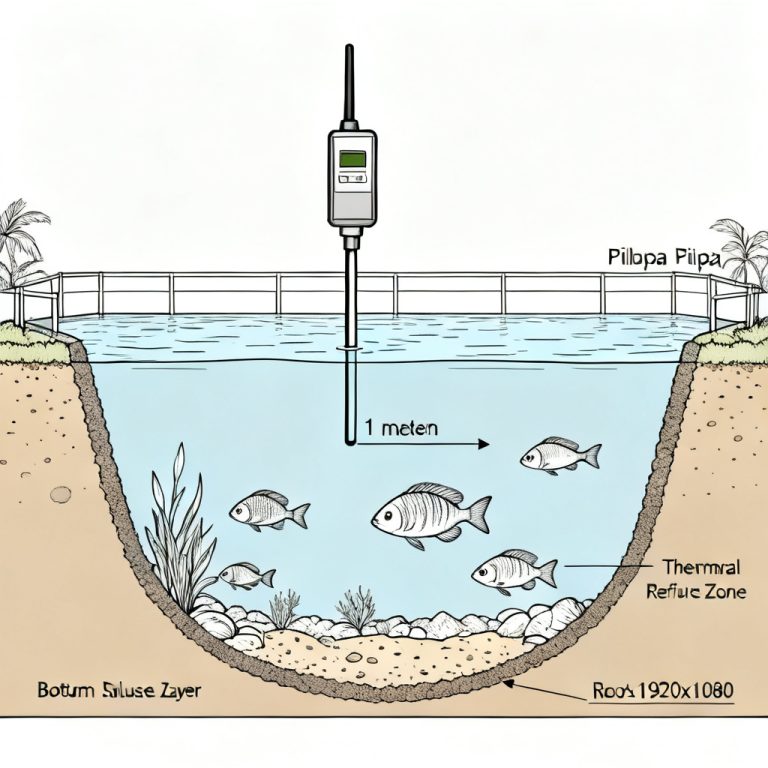
Optical vs electrochemical dissolved oxygen sensors technical comparison diagram for intensive shrimp farming ponds in Vietnam and Thailand

Optical vs Electrochemical DO Sensors for Aquaculture

Optical vs. Electrochemical DO Sensors for Aquaculture: Which One Delivers Better ROI? For a shrimp or fish farm manager, the question is not just “which sensor is more accurate in a laboratory,” but: Which technology delivers a better return on investment (ROI) when deployed continuously in warm, nutrient-rich, biofouling-prone aquaculture ponds?  This page answers that question…