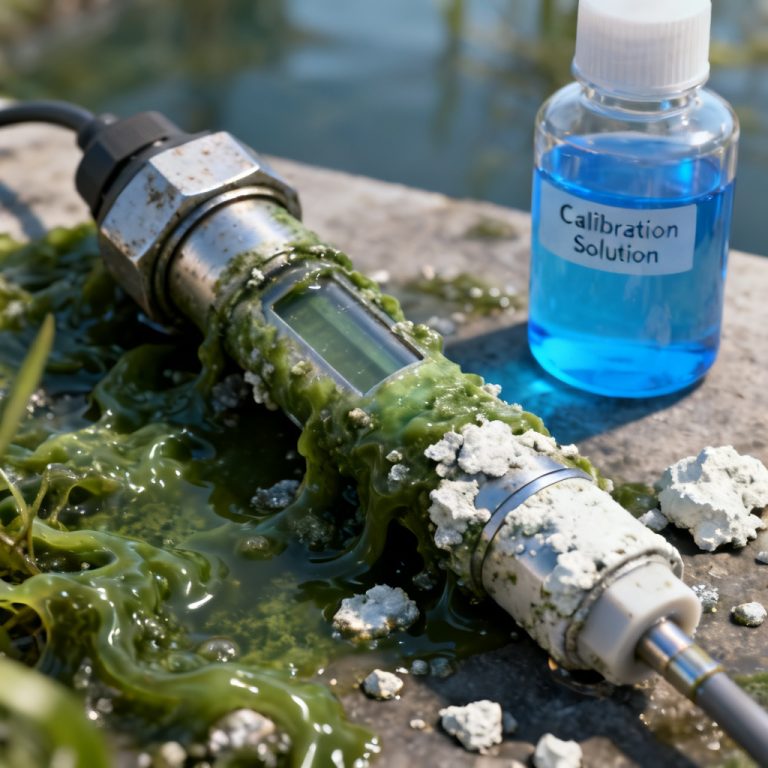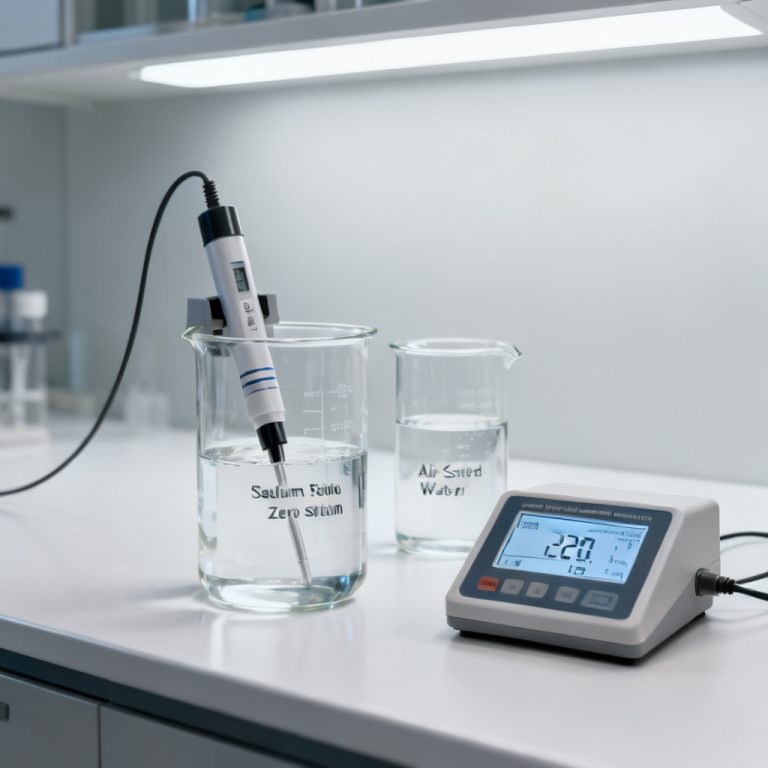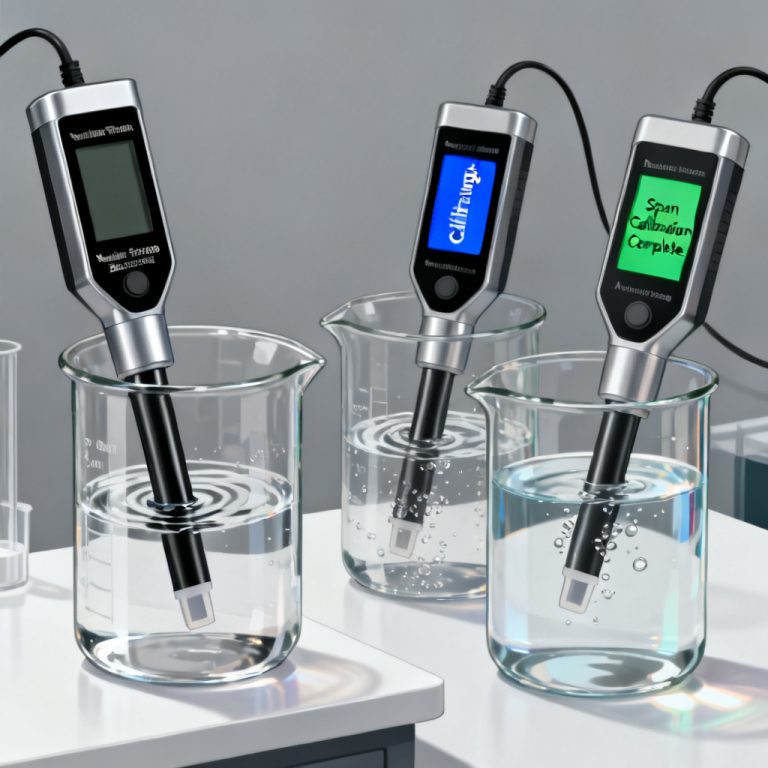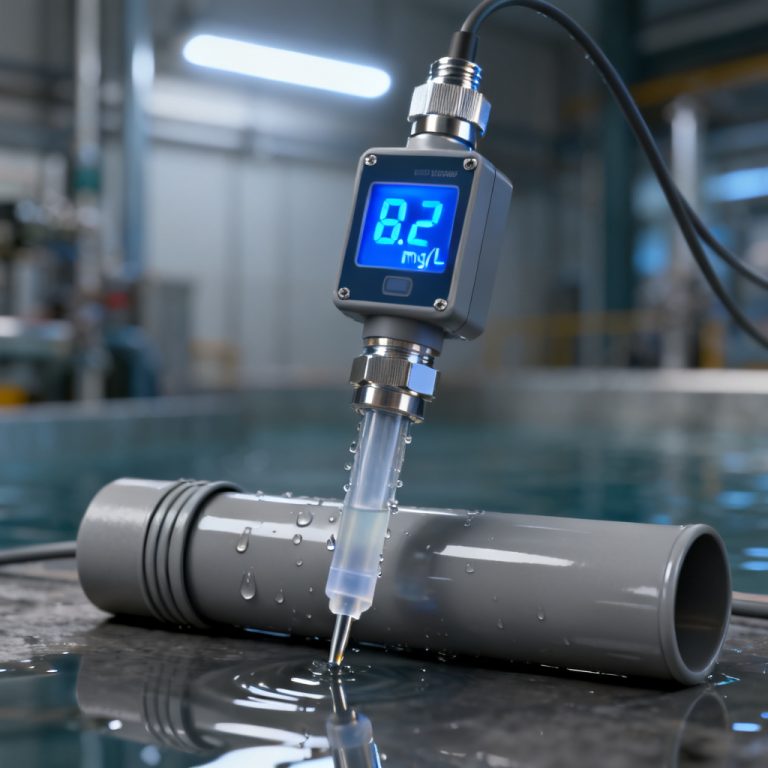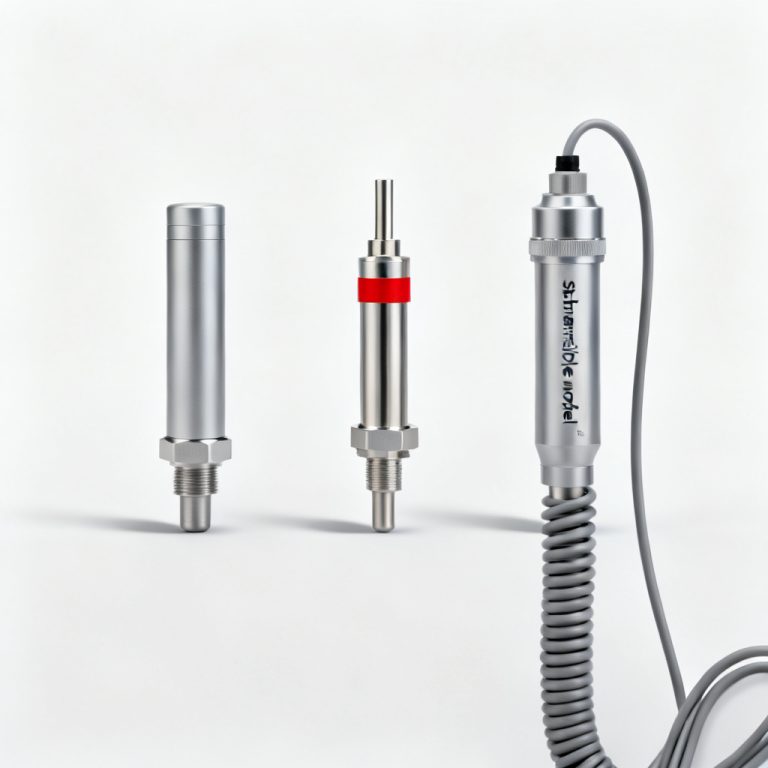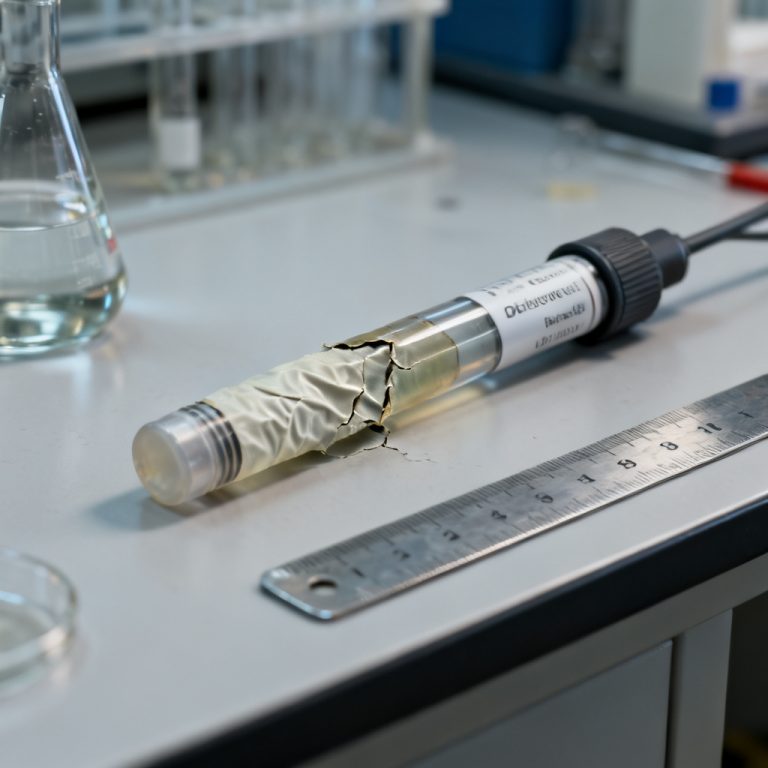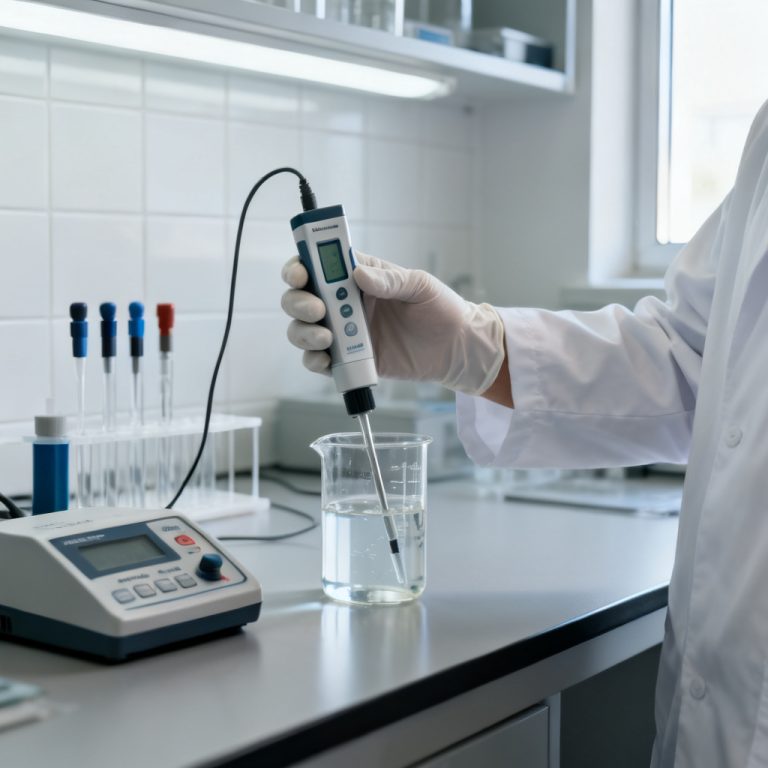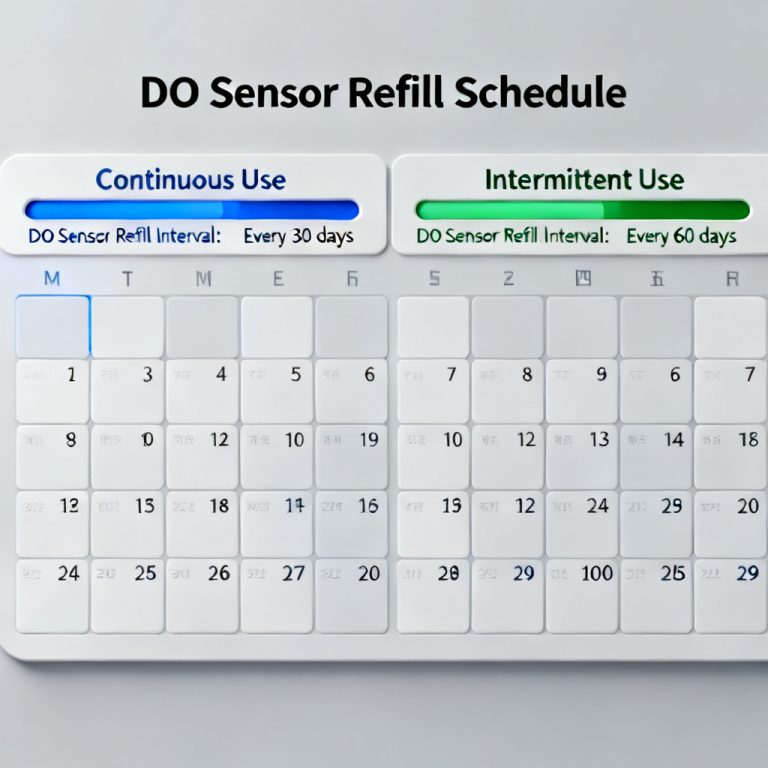
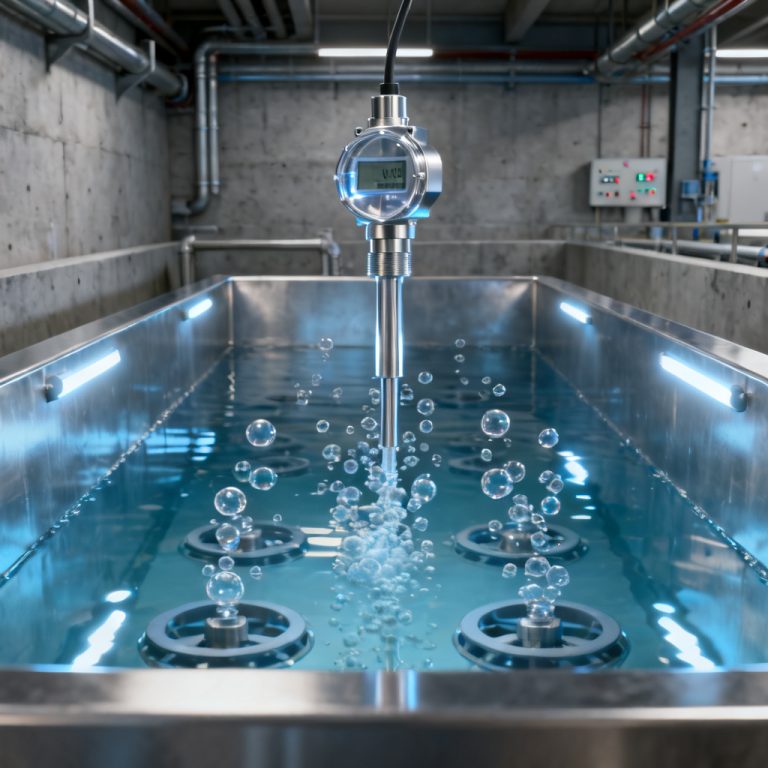
Electrochemical DO sensor calibration setup showing dissolved oxygen probe with calibration equipment and two-point calibration protocol preparation
|

How Often to Calibrate an Electrochemical DO Sensor

How Often to Calibrate an Electrochemical DO Sensor? Understanding the correct electrochemical DO sensor calibration frequency is essential for accurate dissolved oxygen measurement in aquaculture, wastewater treatment, and industrial processes. This pillar content synthesizes expert recommendations from YSI, Hach, and Atlas Scientific to provide a definitive calibration schedule. Factors Affecting Electrochemical DO Sensor Calibration Frequency…

Galvanic DO sensor product family showing self-powered dissolved oxygen sensor probes with no external voltage requirement for wastewater and aquaculture applications
|

Galvanic DO Sensor Self Powered No External Voltage

style code after header 20260423 nosynced Welcome to the definitive guide on the Galvanic DO Sensor Self-Powered No External Voltage. This technology simplifies dissolved oxygen measurement by generating its own electrical signal without requiring any external power. Ideal for remote monitoring, wastewater treatment, and aquaculture, the self-powered galvanic dissolved oxygen sensor offers instant readings and…

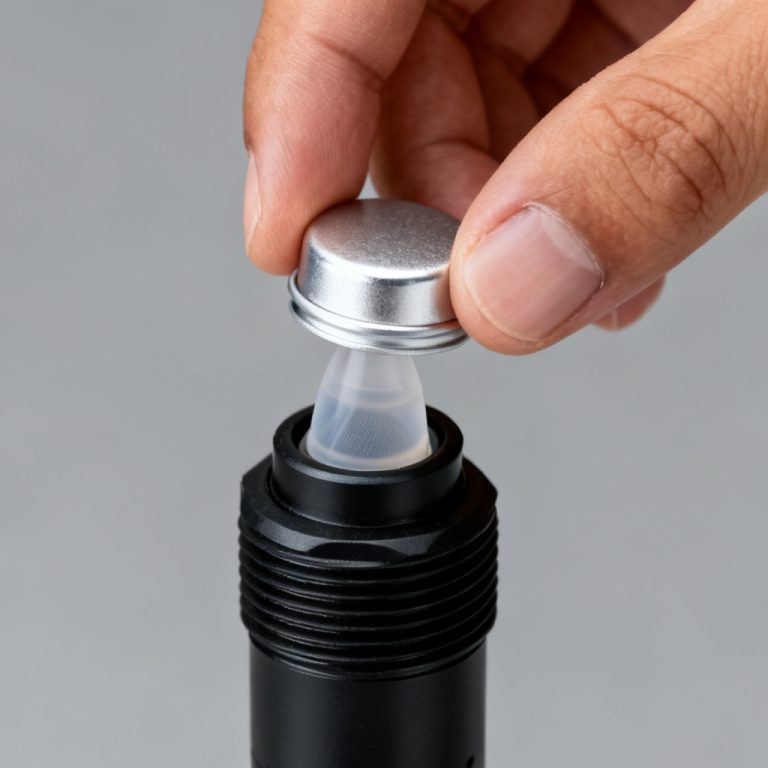
Electrochemical DO sensor membrane replacement showing step-by-step process for replacing worn membrane on dissolved oxygen sensor probe
|

Signs Your Electrochemical DO Sensor Needs a New Membrane

style code after header 20260423 nosynced Recognizing the early signs your electrochemical DO sensor needs a new membrane is critical for maintaining accurate dissolved oxygen readings. In B2B operations—from wastewater treatment to pharmaceutical fermentation—a failing membrane leads to costly process upsets and compliance risks. This guide consolidates expert insights from YSI, Hach, and Mettler Toledo…

Electrochemical DO Sensor Calibration Process showing membrane replacement and electrolyte refill steps for dissolved oxygen sensor maintenance
|

Electrochemical DO Sensor Hidden Costs Membranes Electrolyte Calibration

Electrochemical DO sensor hidden costs significantly impact total ownership, often surpassing the initial purchase price. These expenses stem from three critical components: membranes, electrolyte solutions, and calibration procedures. Understanding these hidden costs is vital for optimizing operational budgets, extending sensor lifespan, and ensuring consistent data quality in water quality monitoring, aquaculture, wastewater treatment, and environmental…

Electrolyte Solution for DO Sensors When to Refill
|

Electrolyte Solution for DO Sensors When to Refill

Understanding the electrolyte solution for DO sensors is critical for accurate dissolved oxygen measurement. This guide explains the science, signs of depletion, refill timing, and step-by-step maintenance to ensure your dissolved oxygen sensor delivers reliable performance in aquaculture, wastewater, and industrial applications. How Electrolyte Solution for DO Sensors Works The Electrochemical Principle In polarographic and…

Galvanic vs Polarographic Which Lasts Longer
|

Galvanic vs Polarographic Which Lasts Longer

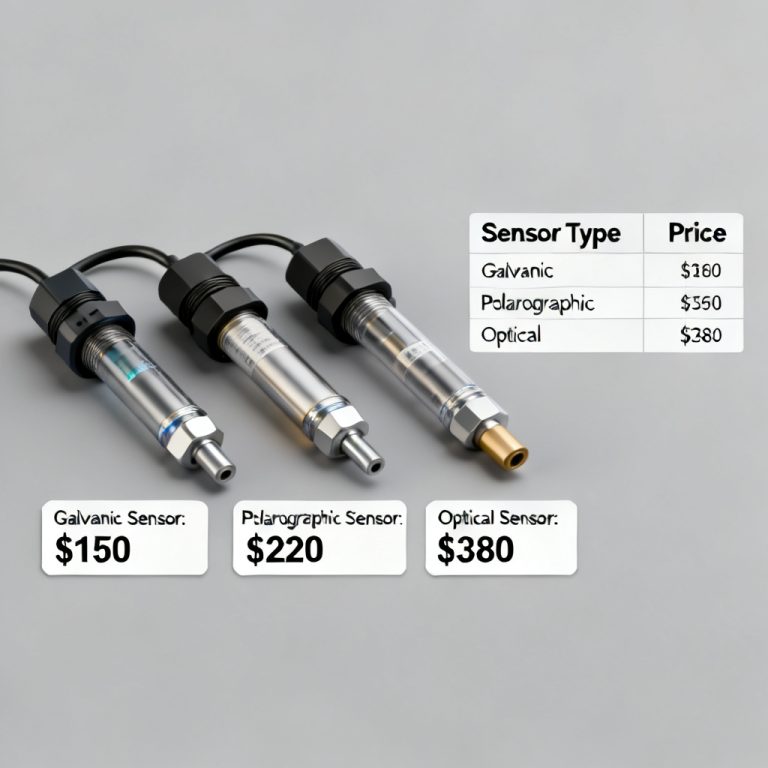
Understanding the Galvanic vs Polarographic DO sensor lifespan is critical for industrial buyers seeking reliable dissolved oxygen monitoring. This comprehensive guide compares both technologies to help you choose the right sensor for your application. 1. Galvanic vs Polarographic DO Sensor: Foundational Principles The Galvanic vs Polarographic DO sensor debate begins with their electrochemical designs. Both…

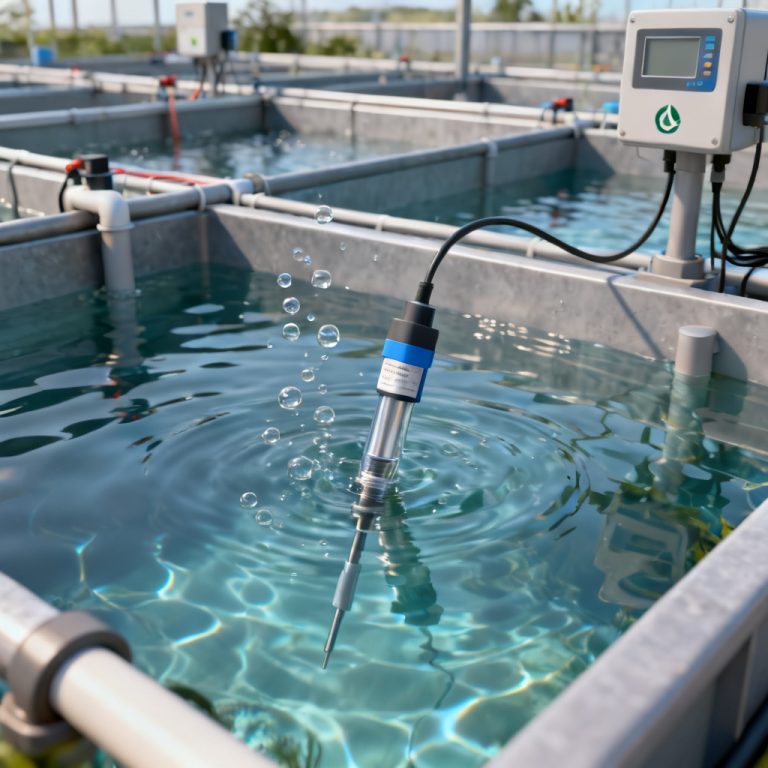
Electrochemical Dissolved Oxygen Sensor maintenance and membrane replacement for traditional aquaculture shrimp ponds

Electrochemical Dissolved Oxygen Sensor for Traditional Aquaculture

Electrochemical Dissolved Oxygen Sensor – Reliable Technology for Traditional Aquaculture Electrochemical dissolved oxygen (DO) sensors—the Clark-cell galvanic and polarographic probes that have been the workhorses of water quality measurement since Dr. Leland Clark’s invention in 1956—remain widely deployed across global aquaculture. While optical fluorescence sensors have gained market share in intensive RAS and long-term monitoring…